US‑Iran Agreement Lowers Tension, Yet Crucial Questions Persist
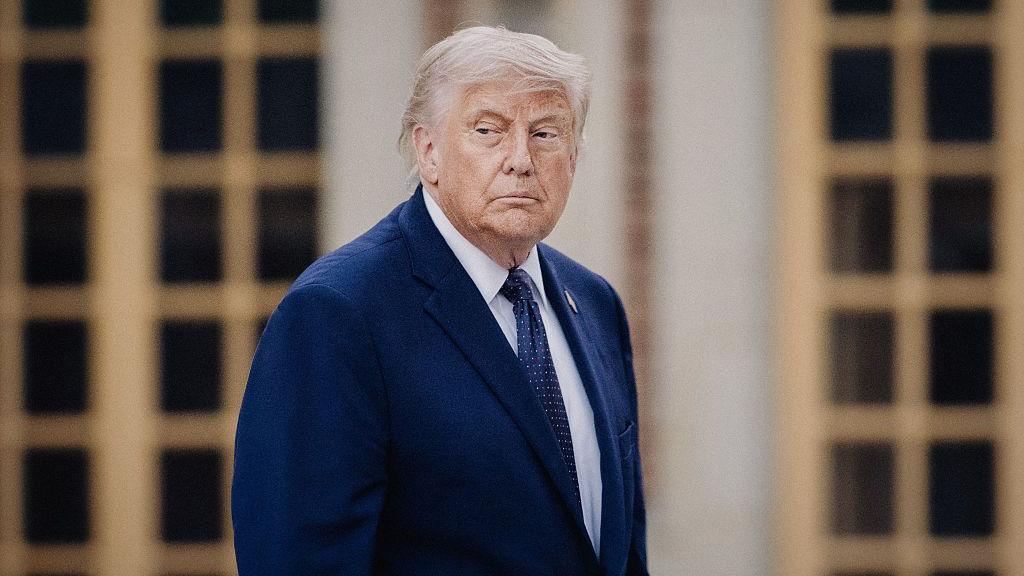
After months of negotiation, the United States and Iran have agreed to a memorandum of understanding that is expected to ease the immediate uncertainty surrounding the war in the Middle East. While the deal is hailed by both sides as a victory—President Trump declaring it a “great deal that will bring peace and security” and Iran’s deputy foreign minister praising its military achievements—key issues remain unresolved.
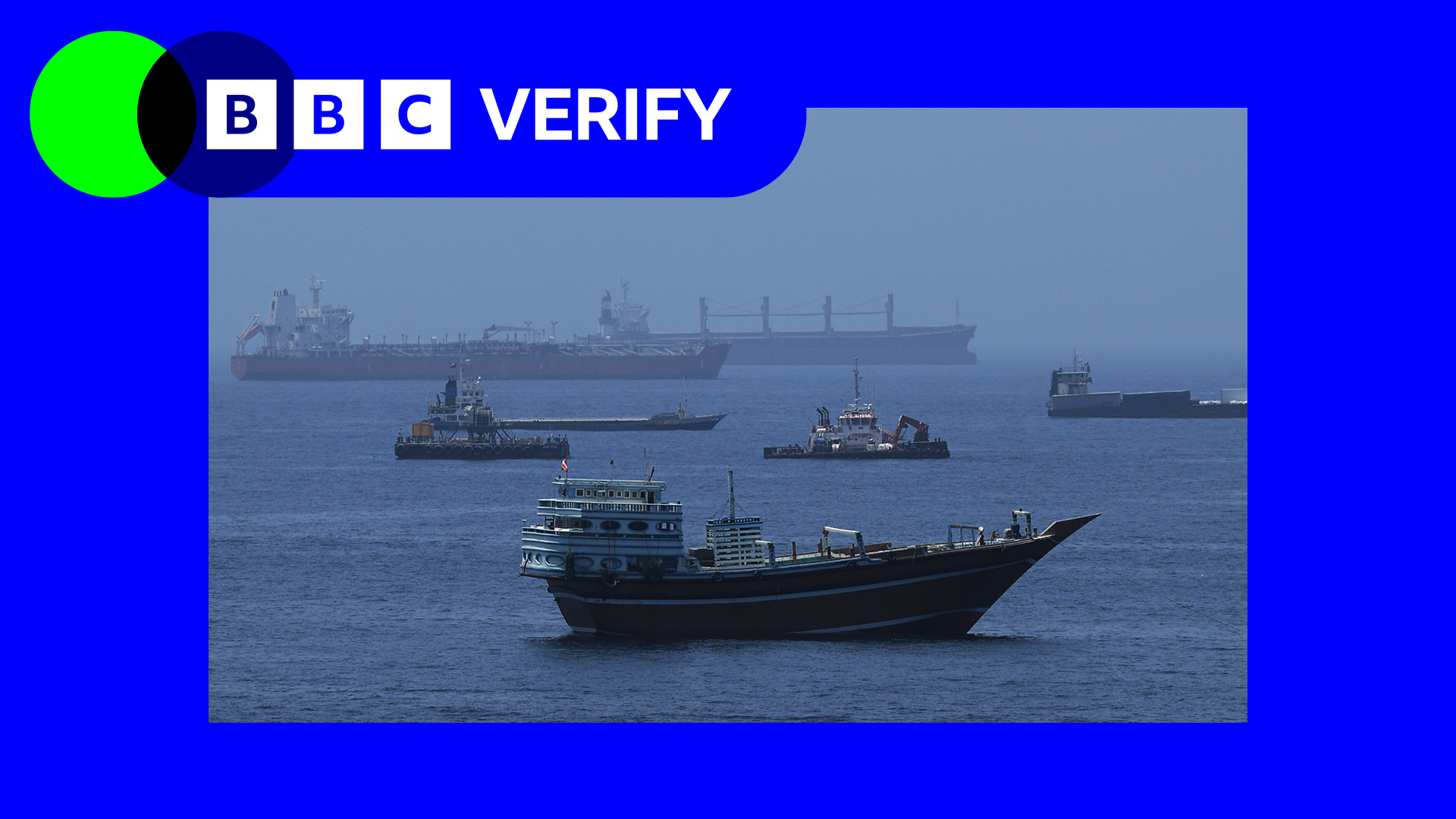
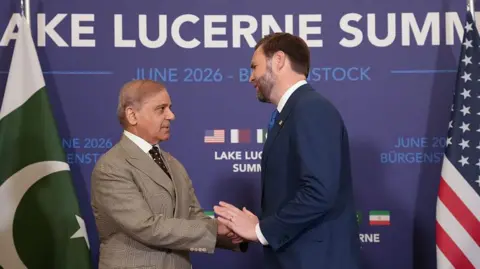
The agreement calls for the lifting of the Strait of Hormuz blockade and the US ban on Iranian ports, potentially relieving global economic pressure on the US and the economic hardship on Iran. Pakistan, acting as a mediator, also promised that the deal would involve “immediate and permanent termination of military operations on all fronts, including Lebanon.”
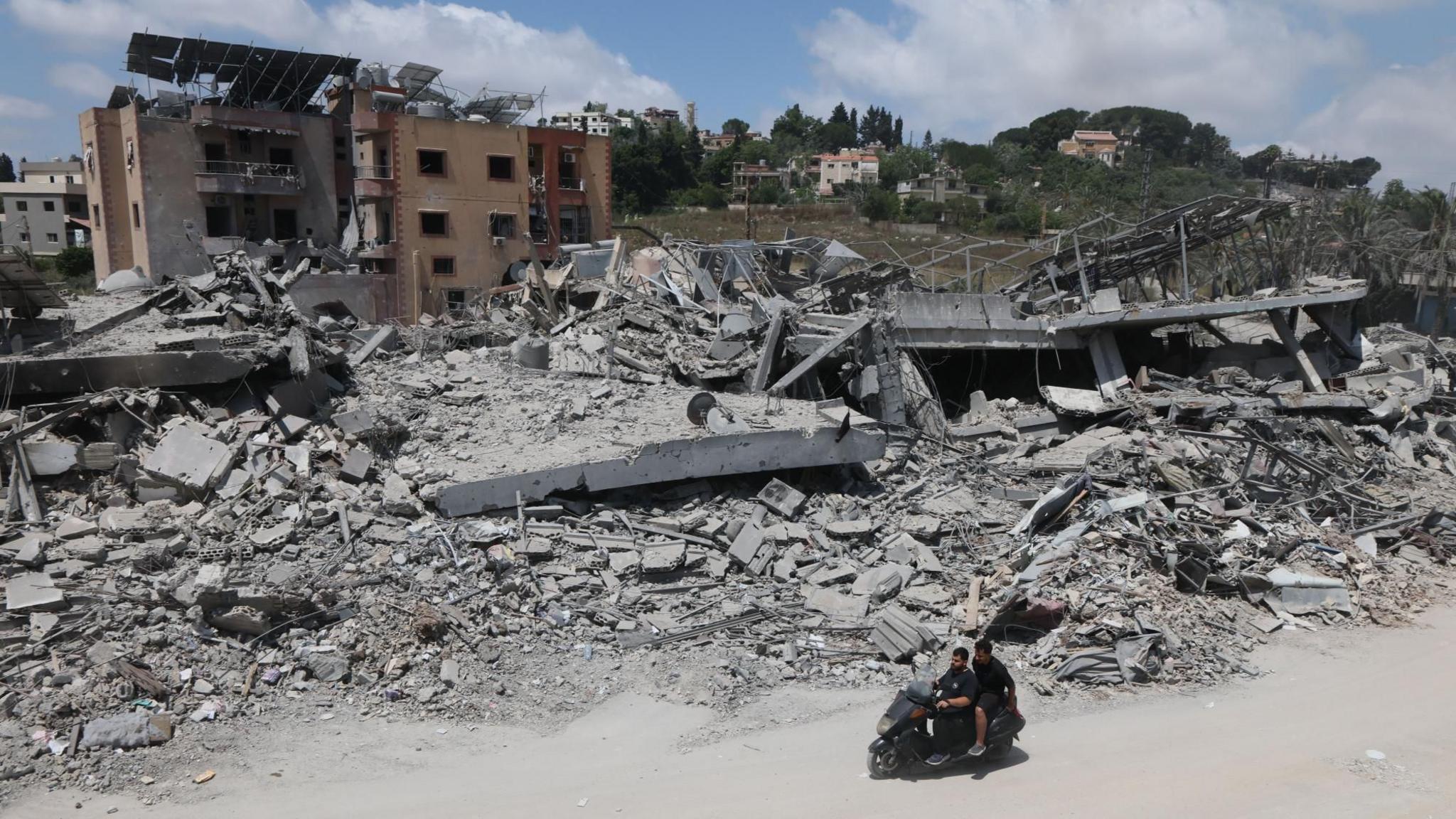
However, the situation in Lebanon remains fragile. Israeli Prime Minister Benjamin Netanyahu has shown no readiness to halt his current offensive against Hezbollah, and Iranian forces have refused to launch further missile attacks on Israel to prevent derailment of the deal.
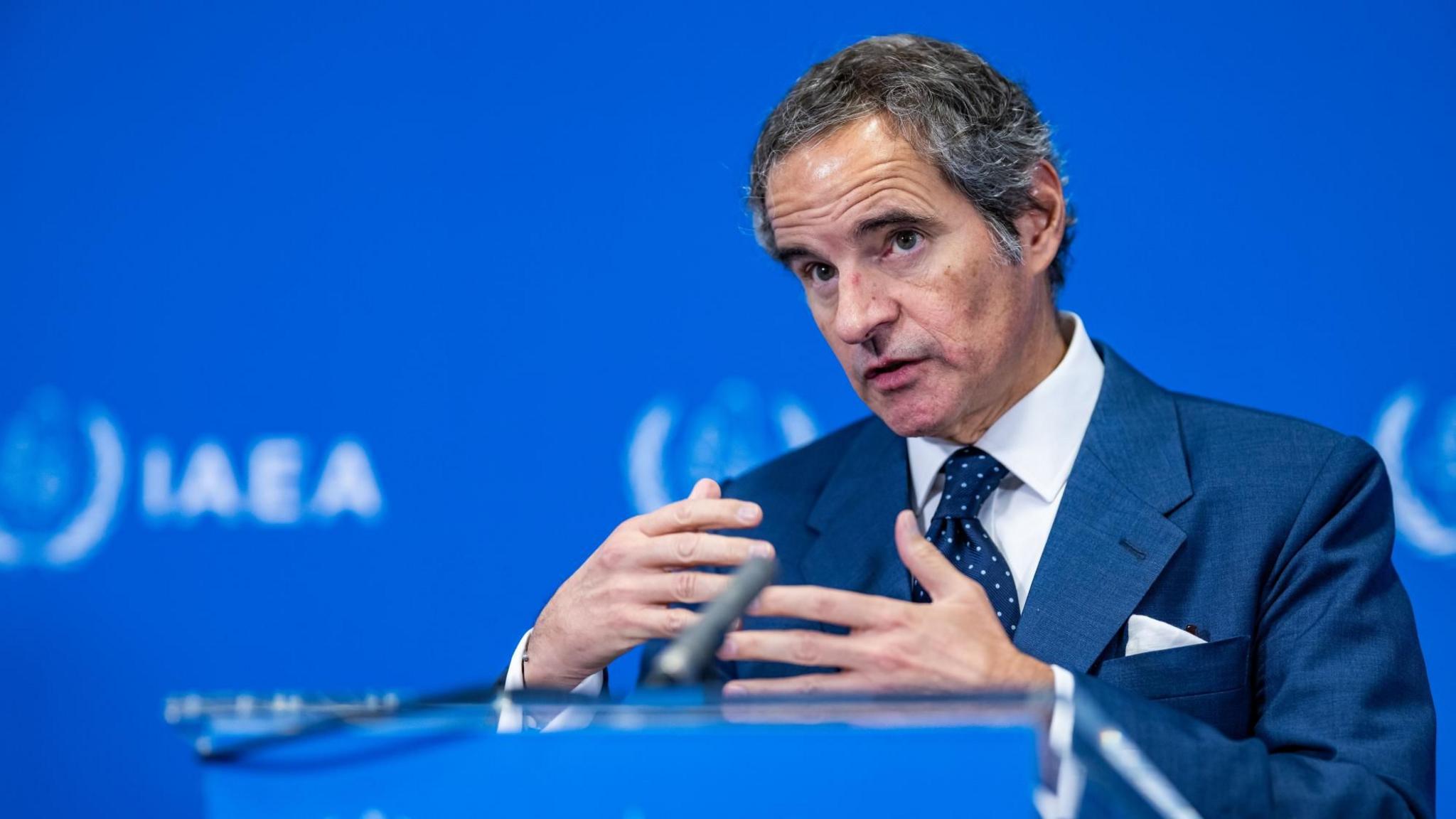
Moreover, the US remains uncertain whether the agreement includes effective guarantees that will prevent Iran from developing nuclear weapons—a core concern that prompted the US and Israel to brace for war. Iranian state media hints at a possible safeguard, but the details are yet to be fully clarified and will likely be subject to intense negotiation after the deal’s signing ceremony.
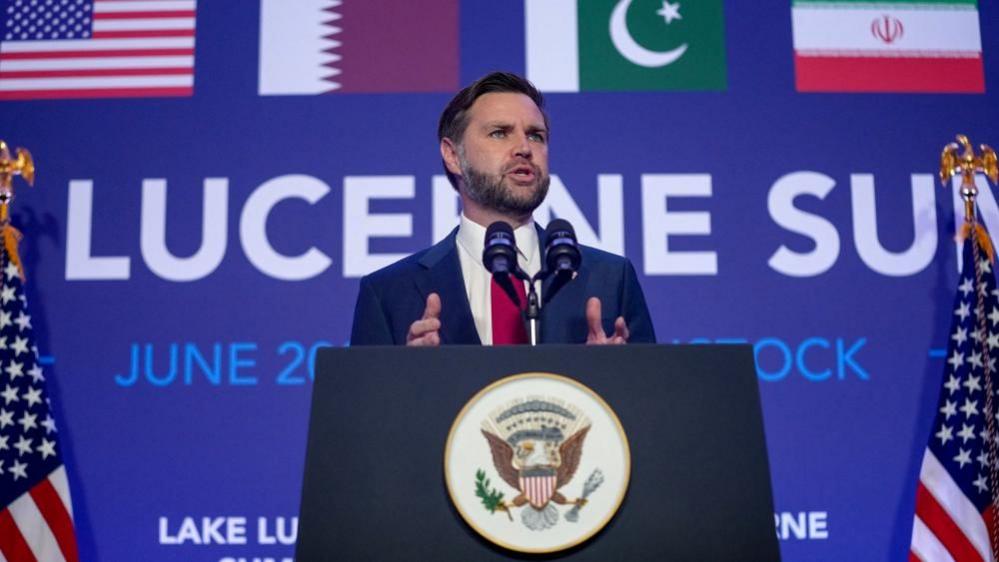
The ceremony, scheduled for next week, may reveal the final shape of the agreement. It is unclear whether the deal will provide lasting respite for the Arab Gulf states or a stable ceasefire in Lebanon, but at least the most immediate uncertainty about the conflict has been partially lifted.