Sevastopol is adrift in the dark after Ukraine’s drone strike on the main power substation.
Ukraine’s night‑time air attack knocked out power in Sevastopol, the largest city in Crimea according to the province’s Moscow‑appointed governor, Mikhail Razvozhayev.
The governing authority said the strike hit the city’s main power substation, leaving residents in darkness until evening on Wednesday.
"We will not be intimidated by the lack of light. We have endured more than this and will survive," Razvozhayev declared in a Telegram message, warning of further “vile” strikes aimed at reducing civilian comfort.
Residents were advised to conserve electricity: dim phone screens, disable background apps, and check on elderly neighbours as temperatures could reach 30°C.
Meanwhile, Ukraine intensified assaults on Crimea’s energy grid, striking 48 military sites in a single night, according to commander Robert Brovdi of the Ukrainian Unmanned Systems Forces. Explosions were also heard in surrounding towns such as Bakhchisarai and Kerch.
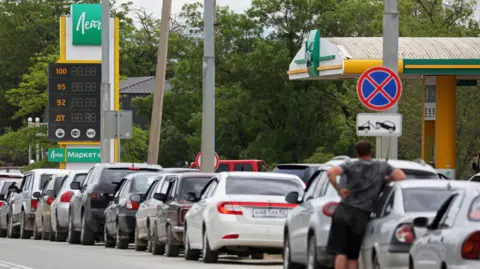
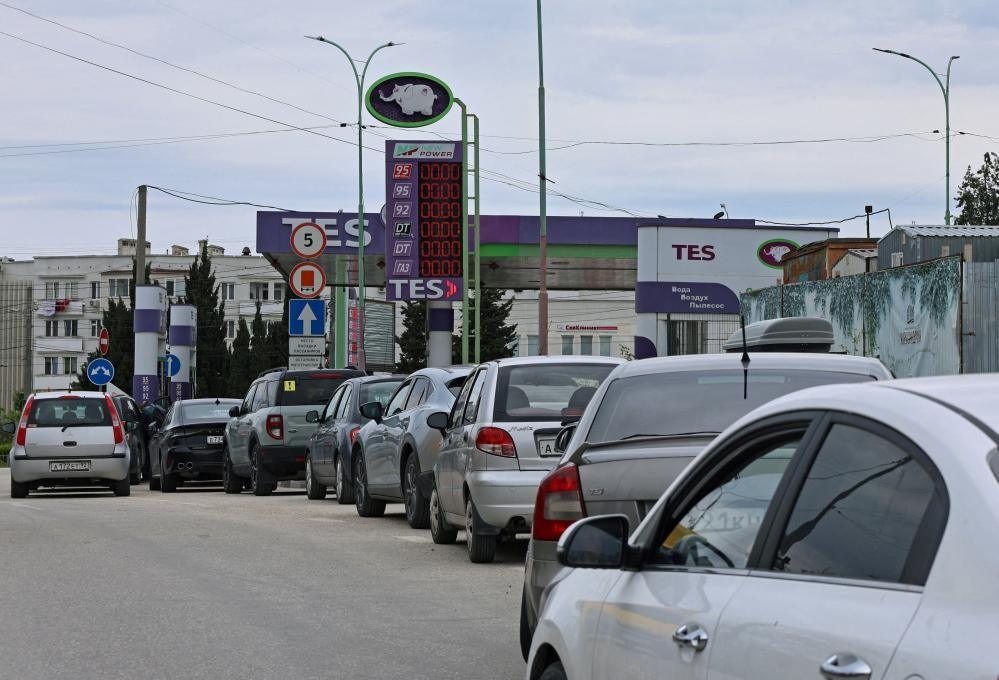
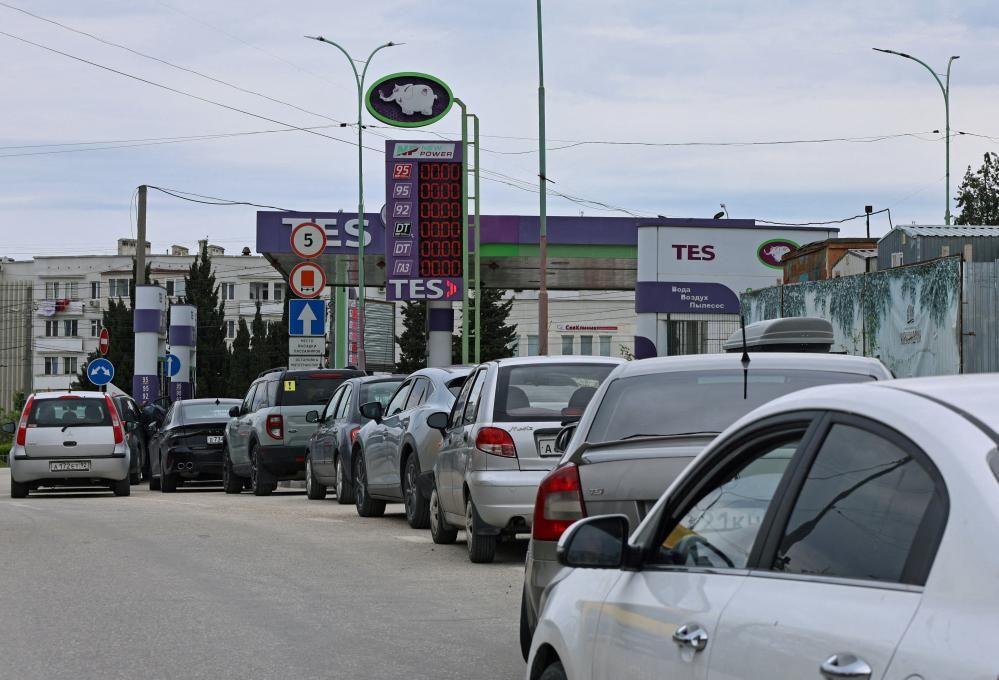
The blockade of the peninsula, begun after the 2014 annexation, has already led to fuel shortages. On Sunday, Russia‑installed leader Sergei Aksyonov announced that all petrol sales had been suspended, leaving only government services able to buy fuel. Panic buying has spread to essential goods such as sugar.
The situation underscores the broader strategy of Kyiv’s attacks on power and fuel infrastructure, hoping to pressure President Vladimir Putin into negotiations.
As the conflict drags on, the civilian population in Crimea faces a growing crisis of basic necessities, while the Russians defend strategic ports like Sevastopol against further foreign strikes.