In brief
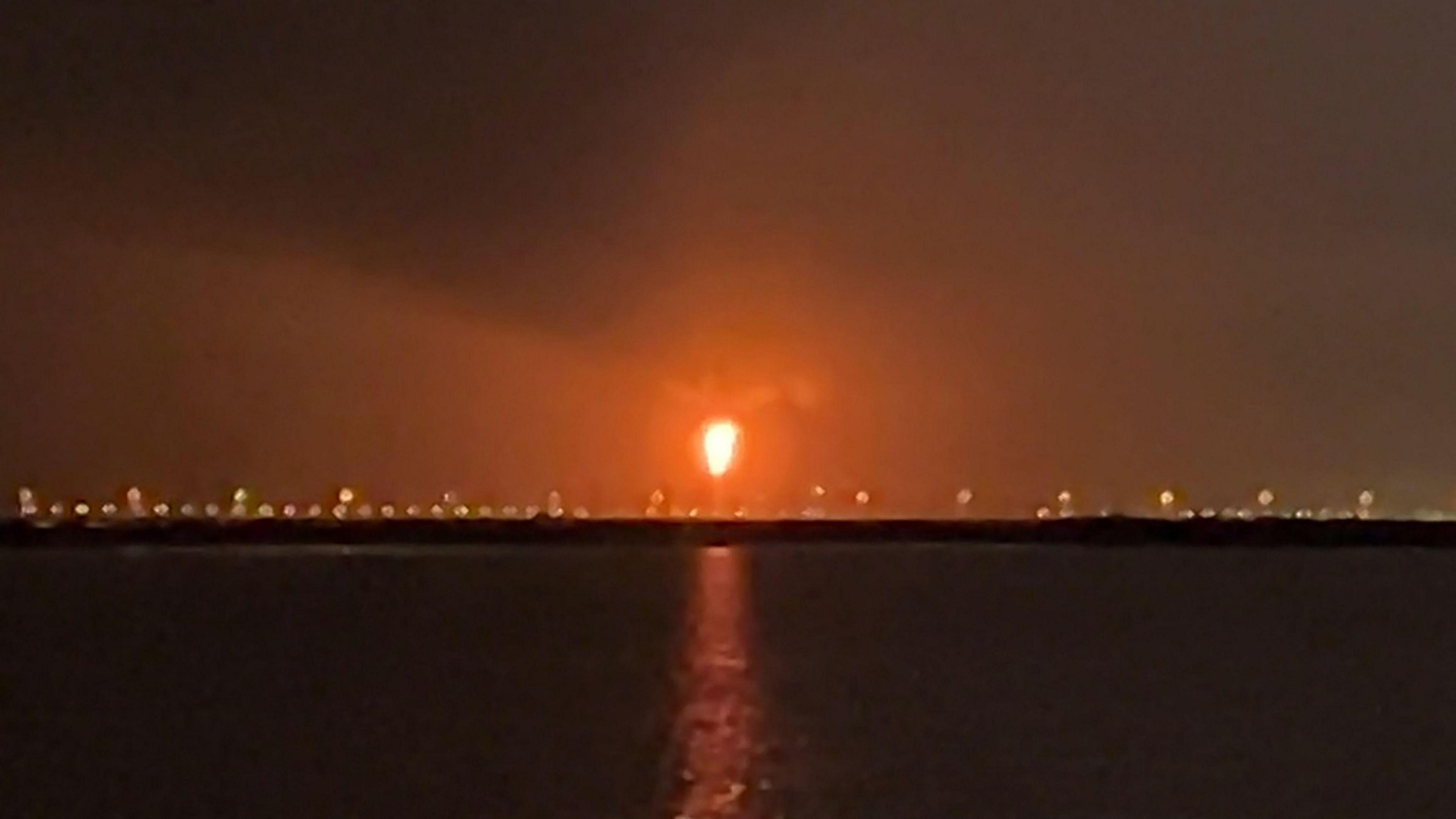
Last night, a major explosion rocked Qatar’s Ras Laffan industrial zone, killing at least thirteen workers, all of whom were expatriates from India and Pakistan, and injuring over sixty‑six others. The blast occurred at the Barzan gas supply facility, part of the country’s largest liquefied natural gas plant, and sparked fears of disruptions to global LNG supply chains. Energy minister Saad Sherida al‑Kaabi insisted the incident was a technical accident and not sabotage, while a drill was already underway to inspect the plant’s safety systems. Early containment efforts were successful, but the incident has prompted a review of safety protocols across Qatar’s energy infrastructure.
At least thirteen workers died and sixty‑six others were hurt in a violent explosion that rattled Doha’s skyline on the night of 21 June. The blast struck the Barzan gas supply facility at Qatar’s Ras Laffan industrial zone, the world’s largest liquefied natural gas export plant.
Energy Minister Saad Sherida al‑Kaabi declared the incident a “technical accident” and denied any sabotage. He warned that the accident would not affect the country’s LNG export capacity, though the plant was still on a restricted operating schedule following a shutdown in March.
Investigation teams are examining the cause, focusing on the plant’s safety procedures and recent maintenance activities. The Ministry also confirmed that all victims were from India and Pakistan and that the embassy would support affected families.
The explosion comes after the Ras Laffan port, Qatar’s largest artificial harbour, endured extensive damage in earlier Iranian attacks amid the Middle East conflict. The facility’s repair work could cut LNG output by 12.8 million tonnes for three to five years, highlighting the broader vulnerability of the region’s energy supply.