Dr. The Houthi raid on Riyadh’s main airport reveals a serious security lapse in Saudi Arabia.
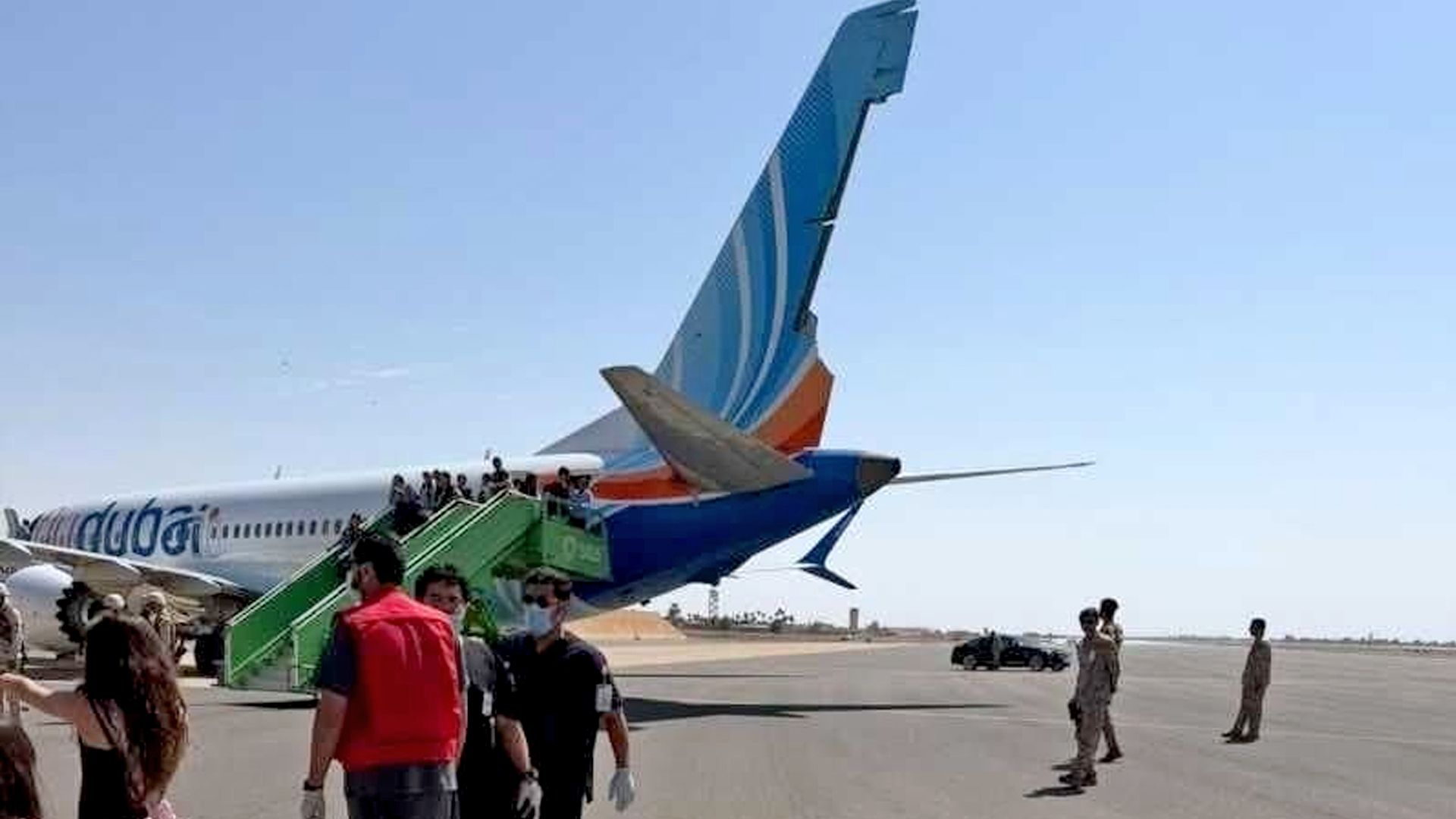
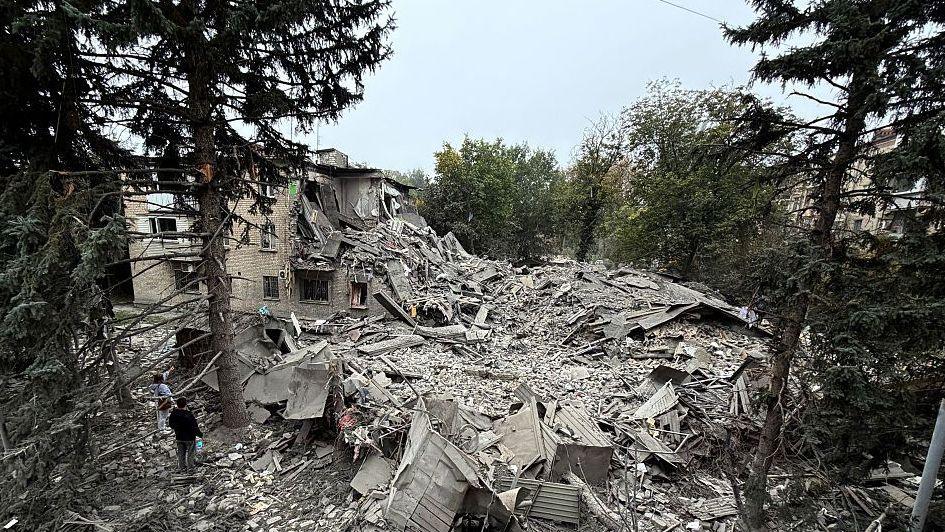
On Saturday, a swarm of Houthi‑fired drones struck the gates of King Khalid International Airport in Riyadh, penetrating the nation’s advanced air‑defence networks and causing extensive but repairable damage. The assault marked the latest in a larger pattern of Houthi attacks targeting strategic Saudi infrastructure since the outbreak of the Yemen civil war.
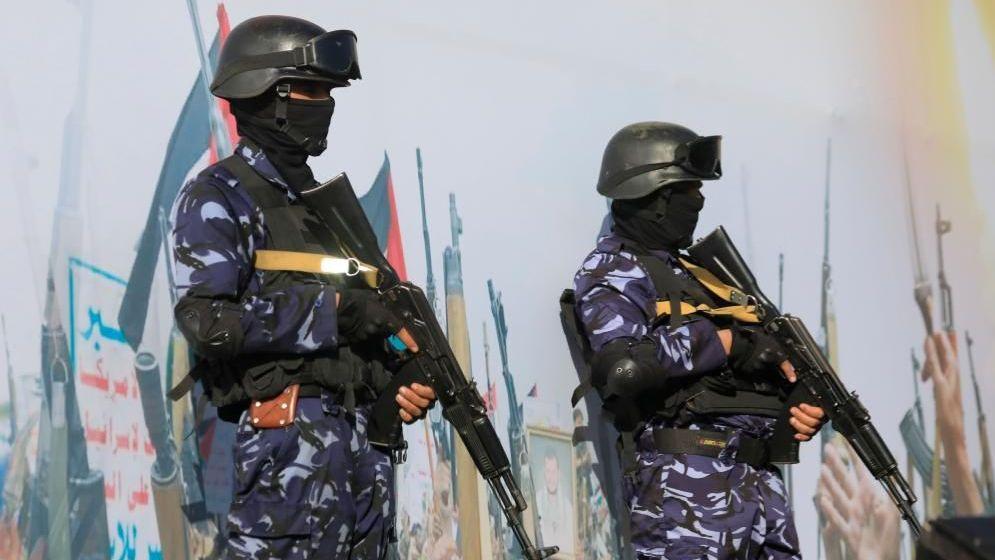
The Yemen conflict, backed by Iran and opposed by a Saudi‑led coalition, has escalated in recent weeks as the Houthis seized key coastal positions and threatened navigation through the Bab al‑Mandeb Strait. While the Yemeni government claims to have “secured” the strait, the Houthi presence along the Red Sea corridor continues to endanger commercial shipping lanes that are vital for global oil and trade movements.
Saudi security forces have historically countered insurgency through strong air power and diplomatic engagement, successfully repelling Al‑Qaeda‑style attacks and enduring the Arab Spring uprisings. However, the new airport raid demonstrates that the Houthis have adapted their tactics, targeting the softer points of the kingdom’s economic lifelines rather than overt military bases.
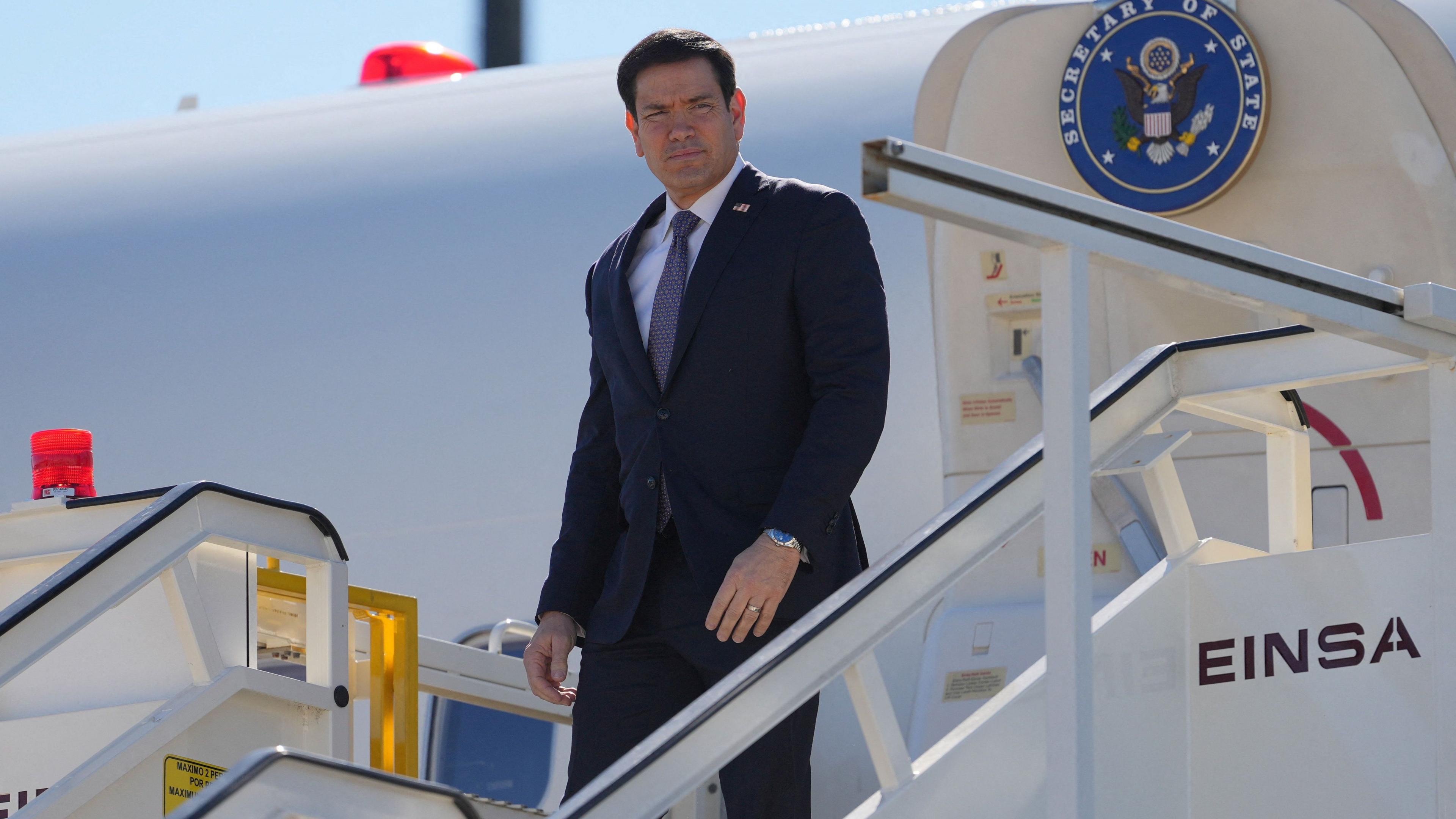
Conversations with Washington indicate that the United States is providing intelligence support to Saudi Arabia but has stopped short of direct military involvement—particularly as the U.S. approaches critical mid‑term elections. The incident could, however, force a shift in policy if further attacks strain national security or threaten the lives of U.S. citizens abroad.
The raid underscores the fragile nature of security in the Gulf and the potential for a broader regional flare‑up should the conflict spread beyond Yemen. For the international community, maintaining stability in the Red Sea and safeguarding critical shipping routes remains a top priority amid escalating tensions.
Read the full BBC report for more details.