Flydubai Co‑Pilot’s Extremist Path From Australian Studies to Hijack Attempt
UAE officials claim the Omani co‑pilot Hamam al‑Hammami began a drift toward extremism while studying in Australia, according to the Attorney‑General’s office.
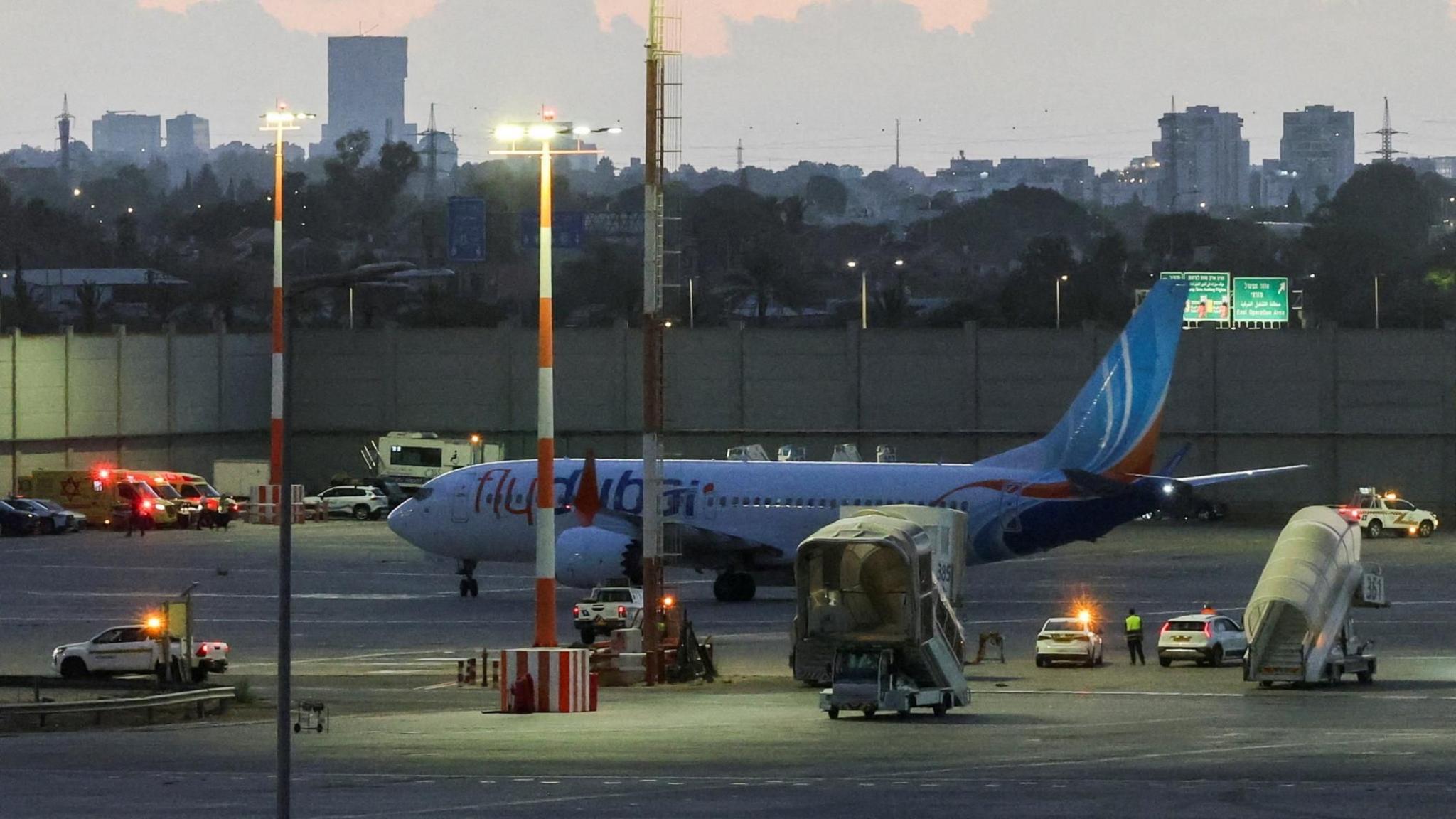
He allegedly tried to crash the aircraft into Tel Aviv airport in a suicide‑style attack, wounding the captain with an axe before passengers and a co‑pilot subdued him and redirected the flight to Saudi Arabia.
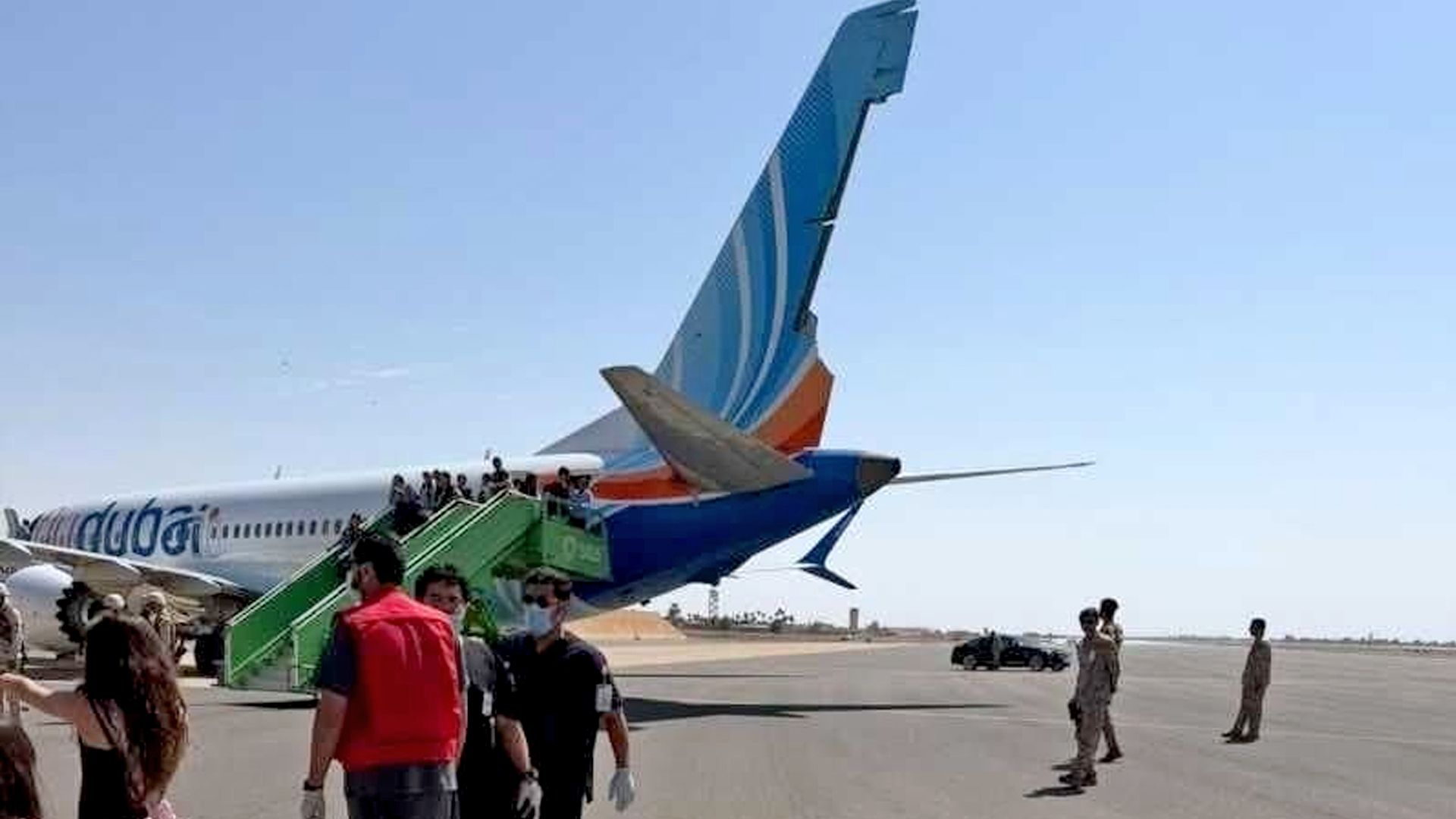
The plane carried more than 170 passengers and crew on its flight from Dubai to Tel Aviv on 30 September. After being diverted, it landed safely at an airport in Saudi Arabia.
Investigators say al‑Hammami had studied at RMIT in Melbourne between 2015 and 2017 but left before completing an engineering degree. Australian authorities are looking into his connections to the incident.
The Attorney‑General’s reports indicate the pilot exposed himself to extremist literature, online content glorifying terrorist attacks, and trained in boxing to prepare for the plot, acting alone although the investigation is still confirming these claims.
Security lapses are apparent: Oman Air had barred the pilot from flying due to concerns over radical views, but Flydubai hired him after standard checks that missed potential signs of radicalisation.
Israeli aviation rules prohibit pilots from nations lacking formal diplomatic ties with Israel, such as Oman, from operating flights to that country, adding a layer of regulatory concern.
Indian co‑pilot Capt Smit Machchhar is hailed as a hero for unlocking the cockpit door amid the attack, allowing passengers to regain control and manage the emergency landing.
The incident has prompted questions about flight safety, background screening, and the potential for extremist influence within aviation personnel worldwide.