Trump’s Russia Fuel Deal Raises Questions as Midterms Loom
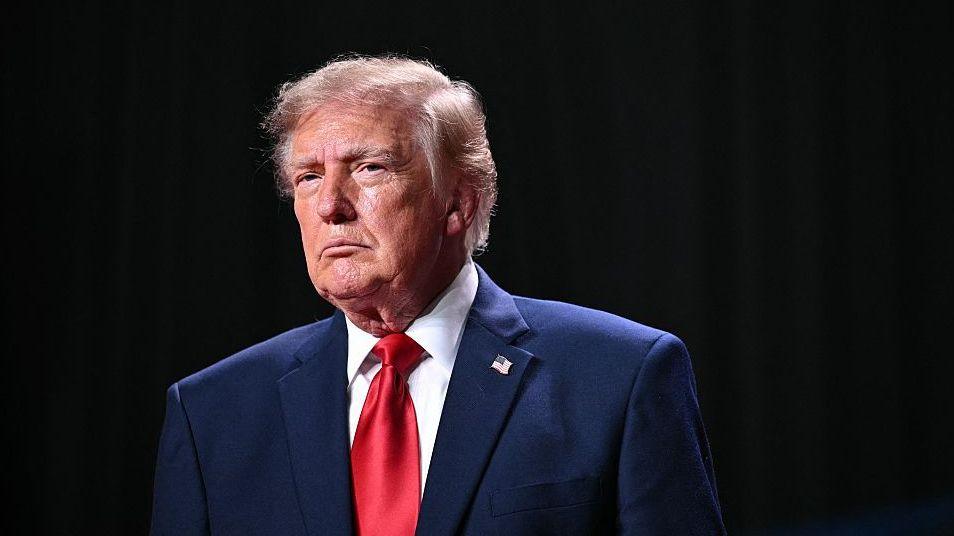
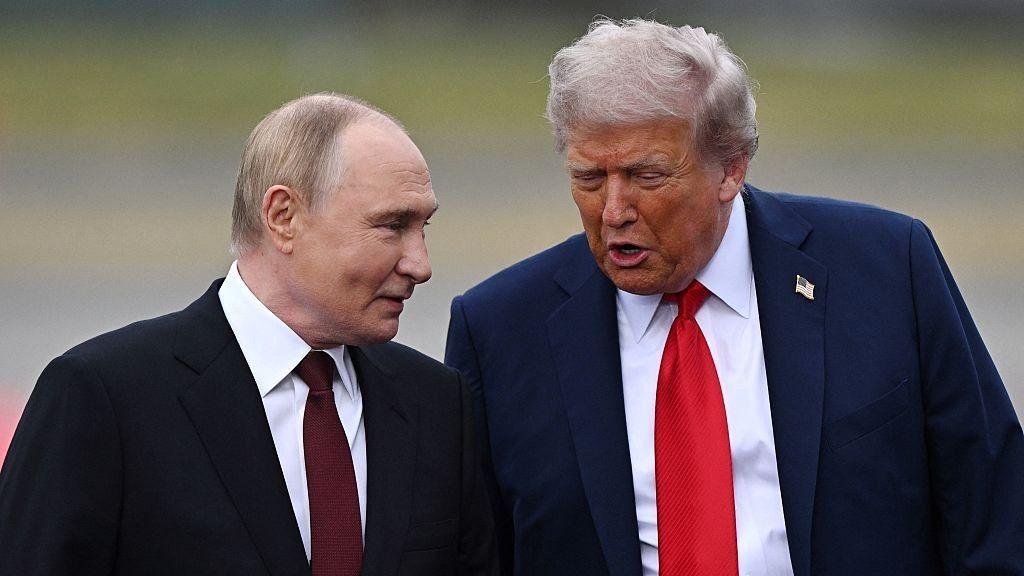
In an unprecedented move, the U.S. president has entered into a deal with Russia to import large quantities of diesel fuel. Earlier this year, Trump signed legislation authorising fresh sanctions and tariffs on nations that bring Russian oil and gas into the United States. The new agreement, which vows to supply hundreds of thousands of tonnes of diesel to the U.S. and world markets in the coming months, signals a dramatic policy pivot.
The negotiations come as fuel prices have surged across the country, hitting growers, ranchers and long‑haul truckers the hard hardest. Iowa, Kansas, Texas and Ohio, states that rely heavily on diesel for farming and transport, have become unexpected battlegrounds in the approaching elections. Hispanic and rural voters, who feel the squeeze of higher petrol costs, may weigh the new deal heavily when they head to the polls.
The deal has sparked criticism from European allies and U.S. lawmakers who see it as a hand‑shake giving hard currency to a war‑finishing regime. Ukrainian President Volodymyr Zelensky called the agreement a “gift” to Putin, warning that the money would be “repayed” with terror and perfidy. Trump’s administration has also pressed its European allies to tap further reserves, deferred federal fuel taxes and allowed the use of farm‑designated fuel for interstate trucking.
Even if Russia delivers 300,000 tons of diesel this month, the shipment would represent roughly half of the United States’ daily consumption of 3.6 million barrels. The immediate effect on pump prices is therefore uncertain, and the speed at which the fuel could reach the market remains unclear. Still, the administration argues that easing energy costs is its “greatest priority.”
With early voting already underway in several states, the political calculus of the trade‑deal remains volatile. Trump may hope that the move will translate into tangible relief for voters, but whether it will tip the balance in a packed down‑ballot remains to be seen. The wheel of power is turning, and the outcome will hinge on how swiftly and effectively President Trump can turn this controversial gamble into palpable economic benefit for the American public.