In brief
Tensions are mounting between Hungary, Slovakia, and Ukraine regarding the halted oil flow through the Druzhba pipeline, exacerbated by the recent damage inflicted during a Russian attack on Ukraine's Brody oil hub. Ukraine claims repair delays are due to the extensive damage, while Hungary suspects political sabotage. This negotiation impasse could impact a significant €90 billion EU financial aid package intended for Ukraine.
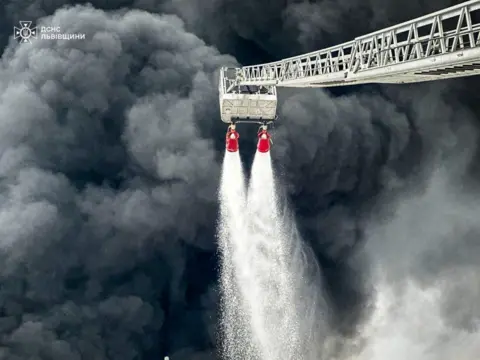
A bitter dispute pitting Hungary and Slovakia against Ukraine is holding up a crucial €90 billion (£77.95 billion) EU loan to Ukraine. No oil has flowed through the Druzhba (Friendship) pipeline, from Russia to Hungary and Slovakia across Ukraine, since the major oil hub at Brody, in western Ukraine, was damaged in a Russian attack on January 27. While Ukraine argues that it will need six more weeks to repair the damage and restore the oil flow, Budapest accuses Kyiv of stalling, viewing it as retaliation for Hungary's pro-Russian stance.This situation highlights the vulnerability of EU decision-making, as one or two nations can obstruct significant loans. Hungary and Slovakia face increasing fuel difficulties, largely because they refuse to transition away from Russian oil amidst the ongoing conflict.The Brody pumping station, vital for Russian oil transit to Hungary and Slovakia, was severely impacted by the attacks, notably damaging a large tank used for pipeline operations. Reports suggest this tank sparked protracted fires and may have caused broader infrastructure damage, complicating speedy repairs. Despite Ukraine's assurances that it lacks the resources for swift restoration amidst ongoing warfare, Hungary maintains that the pipeline remains intact and has accused Ukraine of deliberate delays for political gain.Hungarian Prime Minister Viktor Orbán's government faces backlash for its closeness to Moscow, raising hostility towards Ukraine ahead of crucial elections. Meanwhile, Hungary has begun importing non-Russian oil, although it lacks the equipment to refine it adequately. In light of this evolving situation, repair negotiations continue amid contrasting narratives from both countries.