In brief
As the Iran war disrupts vital oil supplies and key shipping routes, China faces a test of its energy strategies. While reliant on Gulf nations for crude, extensive preparations give China a stronger position than its neighbors. With increasing oil prices and supply shortages, China's mixed energy portfolio, which includes a growing emphasis on renewables, may help it navigate these challenges. Analysts suggest that despite strained imports, China has built significant reserves to withstand fluctuations.
The ongoing conflict in Iran is significantly impacting global energy markets, particularly affecting China's oil supply and raising questions about its resilience amidst the crisis.
China has long braced for a Gulf oil supply shock, and now, the Iran war's disruption of a crucial shipping route tests its resilience. Energy shipments from the Middle East have stalled due to Iran’s threats to target vessels navigating vital trade waterways in response to US-Israeli strikes.
The blockade has created a global oil shortage, heavily impacting Gulf-reliant Asian countries. In response, the Philippines has mandated four-day work weeks to conserve fuel, while Indonesia is trying to minimize its oil use to stretch its reserves.
China, as the world's largest oil buyer, is also feeling the pressure yet maintains a relatively better position due to years of statecraft aimed at preparing for an energy crisis. Since the onset of hostilities, oil prices surged toward $120 per barrel, fueled by turmoil in shipping and the effective closure of the Strait of Hormuz, through which a fifth of the world's oil flows.
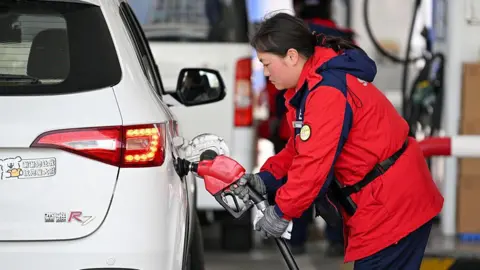
Analysts observe that China consumes nearly 15 to 16 million barrels of oil daily, making the country among the largest energy consumers globally. Most of the crude imported powers its vast transportation network and industrial sectors.
A Test of China's Energy Network
Since the conflict escalated, countries are scrambling to find crude from outside the Gulf, tapping into their reserves as efforts intensify. China is heavily reliant on Gulf countries, particularly in terms of imports from Saudi Arabia and Iran, each accounting for over 10% of its oil supply.
However, China's resilience is bolstered by its domestically produced oil and pipeline imports from Russia, which remain unaffected by the conflict. Almost a fifth of China's energy imports come from Russia, establishing it as Beijing's primary supplier amidst global sanctions against Tehran.
In addition, coal remains a significant part of China's energy mix, with the country being the world's largest coal producer. The shift towards renewables has further lowered reliance on imported oil, with wind and solar energy now constituting a substantial portion of energy production.
Prepared for Rainy Days
In anticipation of a crisis, China has been steadily building its oil reserves, capitalizing on prior lower prices from Gulf suppliers. Estimates suggest that China's oil reserves could cover nearly three months of consumption, with tapping into these storages becoming crucial as the supply chain faces disruption.
China's strategy may pay off as it continues to imports Iranian crude, although the exact figures remain contested among experts. Despite the swift rise in costs linked to the ongoing global energy crisis, China seems prepared to navigate through the difficulties, albeit with growing caution in maintaining its energy supplies.
Electric vehicle sales, making up a third of new vehicles, may minimize the immediate impact of fluctuating oil prices. Industry experts note the country's investment in renewables provides a shield against energy market volatility, helping China maintain its economic stability even as it grapples with the crisis stemming from Iran's conflict.