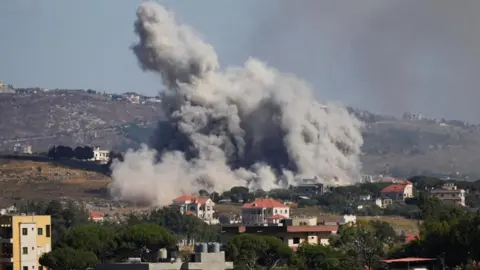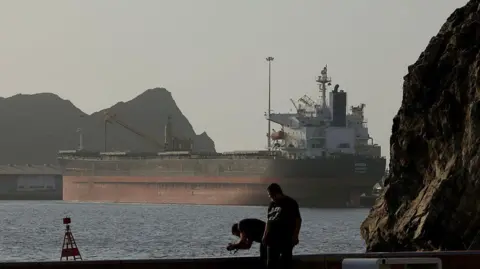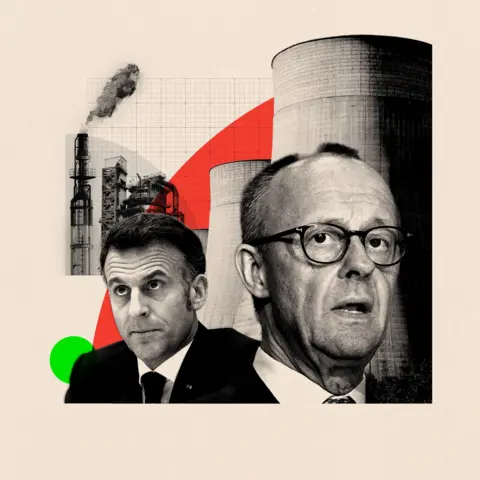
The knock-on effects of the conflict in the Middle East are awakening ghosts of past crises that rocked the European Union. Several months after Russia's invasion of Ukraine, the European Commission President accused Russia of manipulating the EU's energy market. Spiraling energy prices, allegedly exacerbated by the conflict, have triggered significant frustration within European circles, where leaders are now forced to reconsider their energy dependencies.
A European diplomat acknowledged the turmoil, pointing to a growing energy shock linked to international conflicts and expressing concern about the lack of long-term strategic planning among EU leaders. Panic has set in as they scramble for quick solutions to avert a backlash from rising energy costs affecting voters.
Previously, in response to the energy crisis stemming from the Ukraine invasion, the EU made a concerted effort to reduce its dependence on Russian energy supplies, a bold move that saw imports drop dramatically. Yet this recent surge in prices due to Middle Eastern tensions shows that Europe’s energy security remains precarious, with rising reliance on countries like the USA and Norway.
Ursula von der Leyen emphasized the need for immediate solutions to combat energy inflation. Leaders are now focusing on potential strategies such as reviewing taxes, introducing price caps, and providing support for industries vulnerable to rising costs. Meanwhile, the EU's Emissions Trading System faces scrutiny as different member states debate reforms in light of these challenges.
As European officials deliberate on how best to approach this crisis, many wonder whether the current situation will lead to substantive changes in energy policy or if Europe will once again find itself responding reactively to external pressures.
A European diplomat acknowledged the turmoil, pointing to a growing energy shock linked to international conflicts and expressing concern about the lack of long-term strategic planning among EU leaders. Panic has set in as they scramble for quick solutions to avert a backlash from rising energy costs affecting voters.
Previously, in response to the energy crisis stemming from the Ukraine invasion, the EU made a concerted effort to reduce its dependence on Russian energy supplies, a bold move that saw imports drop dramatically. Yet this recent surge in prices due to Middle Eastern tensions shows that Europe’s energy security remains precarious, with rising reliance on countries like the USA and Norway.
Ursula von der Leyen emphasized the need for immediate solutions to combat energy inflation. Leaders are now focusing on potential strategies such as reviewing taxes, introducing price caps, and providing support for industries vulnerable to rising costs. Meanwhile, the EU's Emissions Trading System faces scrutiny as different member states debate reforms in light of these challenges.
As European officials deliberate on how best to approach this crisis, many wonder whether the current situation will lead to substantive changes in energy policy or if Europe will once again find itself responding reactively to external pressures.