In brief
As the war in Iran intensifies, the economic impact is being felt worldwide. Some nations, particularly oil producers like Norway and Canada, are poised to benefit from rising oil prices, while countries like the US and UK find themselves facing economic challenges due to their reliance on Middle Eastern oil. The article explores the complex balance of winners and losers amid this conflict.
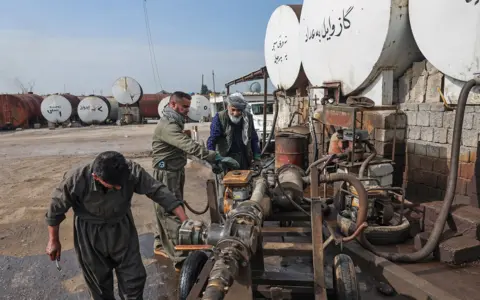
From soaring heating oil bills for homes in Yorkshire to cost-saving school closures in Pakistan, the financial fallout from the Middle East war is already striking hard. As Iran retaliates to perceived provocations, the economic disruption is not just a fleeting phenomenon; its impact is disproportionately affecting various global regions.
Among the winners are countries rich in oil such as Norway and Canada, who stand to gain from rising global oil prices as customers seek alternatives due to the turmoil in the Gulf. Conversely, the conflict has severely impacted Gulf producers like Qatar and Saudi Arabia, with supply disruptions heightening pricing concerns.
While the US might see American oil producers cash in on high prices, the reality is that the broader economy risks facing losses and complications. With dependency on oil and gas, soaring prices could lead to higher inflation rates and undermine economic growth across Europe and beyond.
As nations scramble to adapt to these changing circumstances, the longer the war persists, the greater the risks of economic contagion globally. In a world reliant on oil, the effects of this region's instability are wide-ranging and profound.