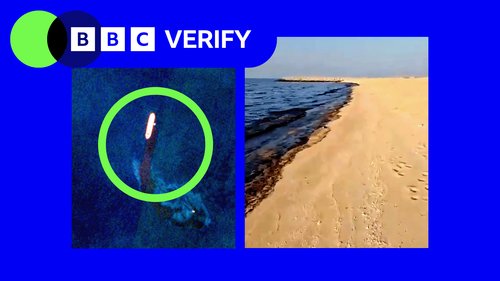
In brief
An oil spill caused by a Russian attack on a hydroelectric plant in Ukraine has polluted the Dniester River in Moldova, resulting in water supply cuts in Balti and other towns. Authorities have declared a state of alert and are providing drinkable water until oil levels are deemed safe.
An oil spill which has been blamed on a Russian attack in Ukraine has polluted a major river in Moldova, prompting authorities to cut water supplies to the northern city of Balti. Ukrainian authorities reported that oil began leaking following a Russian strike on the Dniester hydroelectric plant on March 7, with the first visible slicks appearing on the river three days later. In response, Moldova imposed a 15-day state of alert in the river basin. Russia's ambassador was called in by the Moldovan foreign ministry to discuss the crisis, during which he was shown contaminated water from the river. Moldova's Environment Minister, Gheorghe Hajder, stated that water supplies will be restored only when oil concentrations are below the safe limit of 0.1 mg per litre. The pollution crisis is not isolated to Moldova; areas in Ukraine, including Chernivtsi and Odesa, are also affected. Schools in Balti have transitioned to online learning while efforts are being made to deliver drinkable water to affected residents. Moldova's president, Maia Sandu, holds Russia responsible for the contamination amid ongoing tensions and military presence in the region.