In brief
The Tijuana River continues to pose alarming health risks to residents in Southern California as vast amounts of untreated sewage overflow into their communities. Locals report persistent odors, headaches, and respiratory issues linked to toxic gases emitted from the polluted water. Experts warn of the potential long-term health effects and the urgent need for effective clean-up measures to protect vulnerable populations.
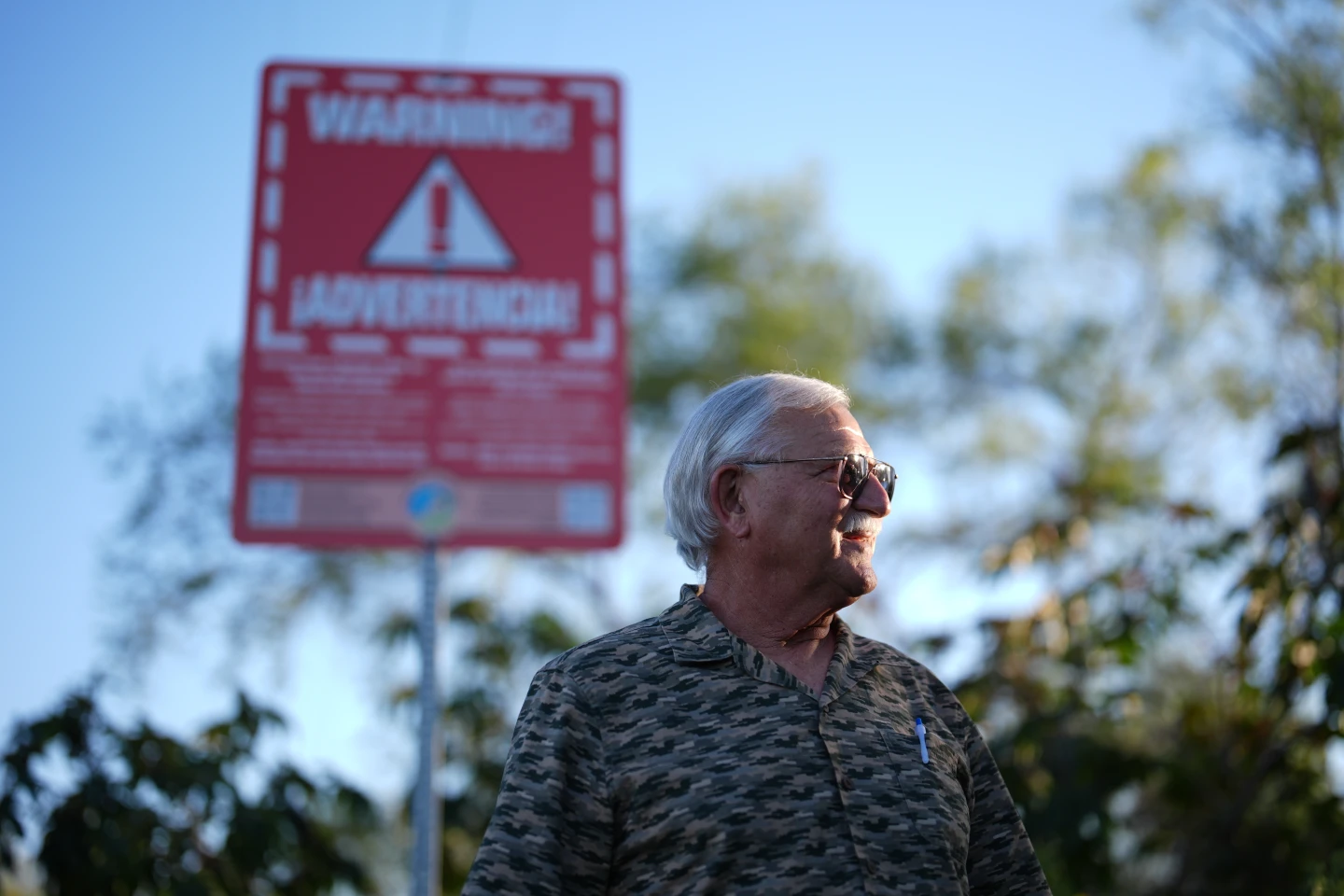
The stench of decaying matter and toxic chemicals fills the air of Steve Egger’s home in Southern California every night as the Tijuana River empties its polluted waters into the Pacific Ocean. Egger and his wife are among countless residents suffering headaches and respiratory issues.
Since 2018, over 100 billion gallons of sewage, laden with industrial waste, has flowed into the Tijuana River. Despite a signed agreement last year between the U.S. and Mexican governments to address this ongoing crisis, immediate actions are still necessary.
Environmental Protection Agency (EPA) Administrator Lee Zeldin stated during a visit to San Diego that resolving the impacts from these environmental violations will take at least two years, emphasizing the need for coordinated action. Studies show that at least 71% of local households have detected foul odors within their homes, leading to significant health complaints.
Air monitors set up in the neighborhood revealed hydrogen sulfide levels at an astonishing 4,500 times above typical urban concentrations, prompting local residents to feel increasingly validated about their concerns. With the public health crisis deepening, many residents feel neglected, pointing out the disparity in response to the pollution when compared to other affluent areas.)
Despite efforts to distribute air filters, the ongoing pollution severely complicates residents' lives. To mitigate the public health threat, experts propose immediate cleanup efforts to relocate the sewage flow from populated areas and protect public health.