In brief
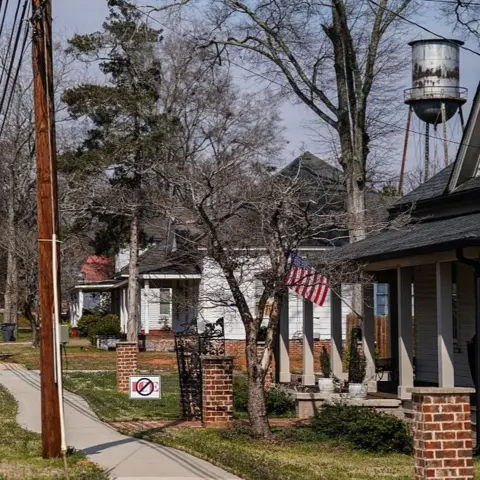
Social Circle, a small farming town in Georgia, has taken a firm stand against the construction of a proposed ICE detention center that could triple its population. Residents from both Democratic and Republican backgrounds, united in their concern for the town's resources and public safety, have actively campaigned against the plans. City officials have also intervened by restricting water access to the abandoned warehouse designated for the facility. The community is cautiously optimistic as the Department of Homeland Security signals a pause in its plans, giving residents hope for a more thorough review of the project's impact.
For months, two neighbors, Democrat Gareth Fenley and conservative John Miller, have been united in the same daily mission.
Each morning the two get into their cars and drive several miles down the farm-lined roads of their small Georgia town to an empty one-million square-foot gray warehouse.
On arrival, they search meticulously for signs of construction, breathing a sigh of relief each time the massive property appears untouched.
The sprawling industrial warehouse, which the US Department of Homeland Security (DHS) bought in February, is part of a $38.3bn (£29bn) plan to open up dozens of immigration detention centers across the US.
Those plans have faced fierce opposition, not just in Democratic communities, but in conservative towns like Social Circle, which overwhelmingly supported Donald Trump in the last election - including his campaign promise to deport millions of undocumented immigrants.
People have different reasons for aligning with the exact same message, Fenley said. That message is: 'Detention centre, not welcome here.'
Many who support the president's immigration policies are concerned the facility would starve the small town of critical resources by tripling its population, turning a place once known for its quaint Blue Willow Inn buffet restaurant into a prison town.
In March, those concerns led City Manager Eric Taylor to shut off the water in the warehouse, a move that made this one-stoplight town the unlikely face of resistance to the administration's plans.
If you open up that water meter, it gives them full access to the entire supply of the whole city, Taylor told the BBC. I can't let that happen without knowing what the ultimate impact is going to be.
Now those plans for a 10,000-person detention centre appear to be on hold.
The DHS also signaled that it is pausing plans to buy more warehouses like the one in Social Circle. The future of facilities already acquired remains uncertain.
Residents are cautiously optimistic. We're anxious to see what happens out of this review. They have already pulled the trigger on it. They have already bought the building, so there's going to be some effects no matter what's done or not done, Miller added.
Social Circle's residents have expressed widespread concern regarding the facility's capacity to meet the town's needs, citing strained water and sewer systems that are already inadequate for current population numbers. Local officials worry about the potential consequences of such a massive increase in residents.
The fight against the ICE detention center has brought the town together in a surprising way, with citizens actively engaging in dialogue and protest. This unity transcends political lines, showcasing a collective desire to maintain the town's identity and safeguard community resources.