In a landmark decision, the Trump administration has officially revoked a scientific finding that has long served as the foundation for regulating greenhouse gas emissions. This decision has been characterized as the most aggressive rollback of climate regulations under President Trump.
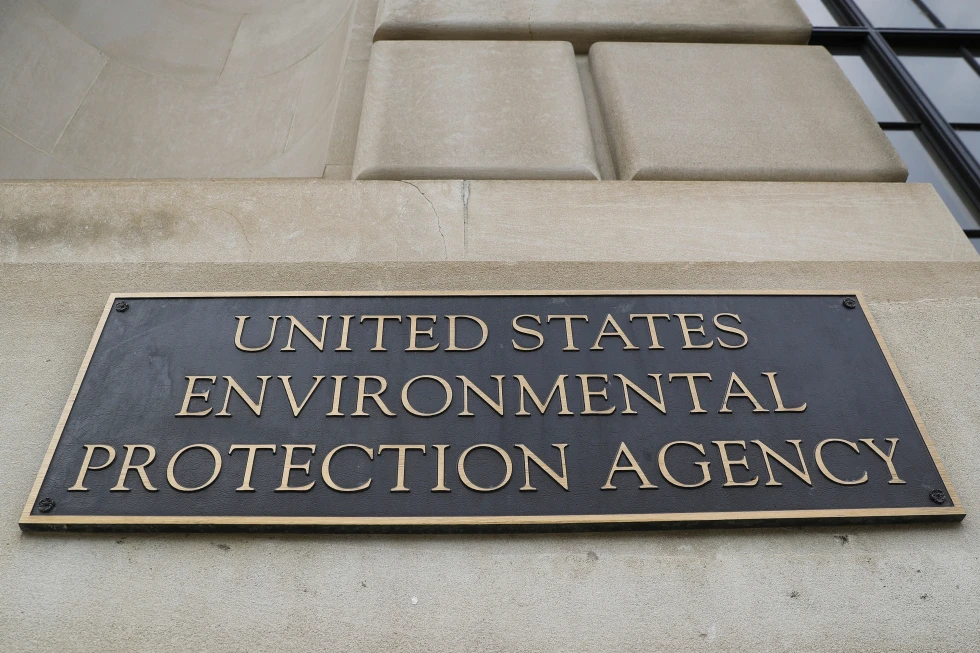
The Environmental Protection Agency (EPA) finalized a rule that rescinds the 2009 endangerment finding, which recognized carbon dioxide and other greenhouse gases as threats to public health. Legal experts predict this repeal could lead to a vast dismantling of existing climate regulations, sparking legal challenges from environmental groups.
Lee Zeldin, the EPA Administrator appointed by Trump, claimed this would be the largest deregulatory action in U.S. history. Critics, including environmental law specialists, warn that this could have catastrophic consequences for efforts aimed at mitigating climate change and protecting public health.
The endangerment finding is crucial, as it underpins numerous regulations designed to address climate change risks, including extreme weather events and widespread pollution. The Supreme Court previously upheld this finding, classifying greenhouse gases as air pollutants under the Clean Air Act, reaffirming the importance of regulating emissions for public welfare.
Notably, Zeldin's announcement followed Trump’s directives seeking to evaluate the continuing applicability of the endangerment finding. This strategic move is associated with a broader effort from conservative lawmakers to overturn what they view as overly strict regulations imposed by previous administrations.
Environmental activists have condemned the repeal, calling it a severe attack on the federal government's capability to combat climate issues effectively. They argue the decision could block future regulations and affirm their intent to hold the administration accountable in courts.
As the EPA navigates this new directive, the future of U.S. climate policy remains uncertain, with advocates stressing the urgency of maintaining robust emission standards to protect the planet and its inhabitants.