FORT COLLINS, Colo. — Canyons in eastern Utah are set to see an unprecedented surge of water this spring, equivalent to the constant flush of 50,000 toilets, as officials rush to maintain power generation for thousands of homes across the Western U.S. The Green and Colorado rivers, usually seen as assets in a dry desert landscape, are now lifelines in the aftermath of the driest winter on record.
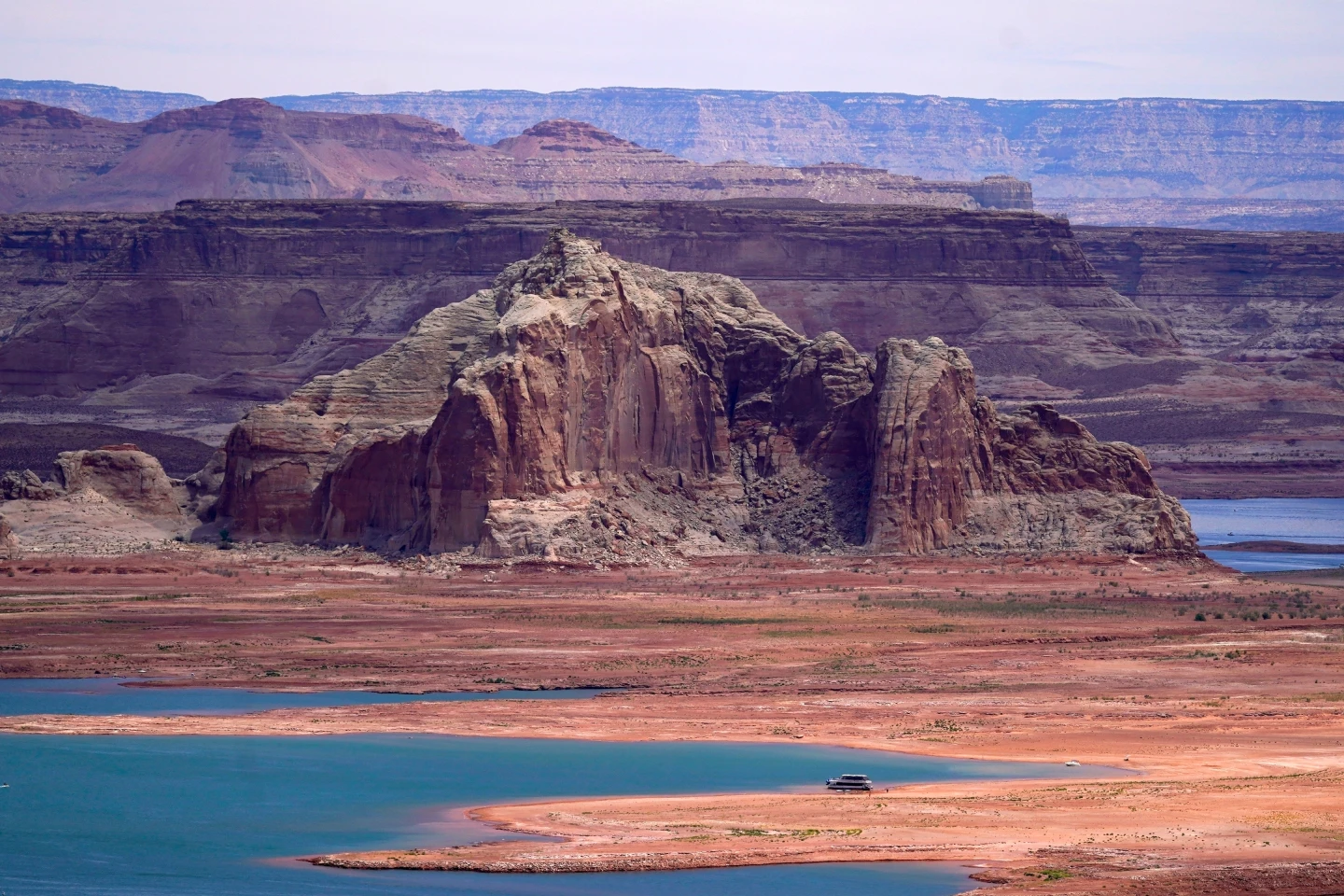
In response to dwindling supplies, officials have decided to release as much as a third of the water stored in Flaming Gorge Reservoir in Wyoming and Utah. This measure is essential for raising the severely depleted levels of Lake Powell, which, held back by Glen Canyon Dam, provides affordable and carbon-free electricity to over 350,000 homes.
However, this drawdown will leave lasting consequences, affecting ranchers, industries, and nearly 40 million residential water customers relying on this contested river basin. The owner of Buckboard Marina, Jen Valdez, expressed concern over declining water levels, which could force patrons to drive further over the summer to access boat-launch facilities.
If plans unfold as projected, Flaming Gorge Reservoir could drop by as much as 27 feet in the next year. Water managers aim to preserve a minimum level for Lake Powell to keep turbines operational, preventing air damage that may arise from insufficient water intake.
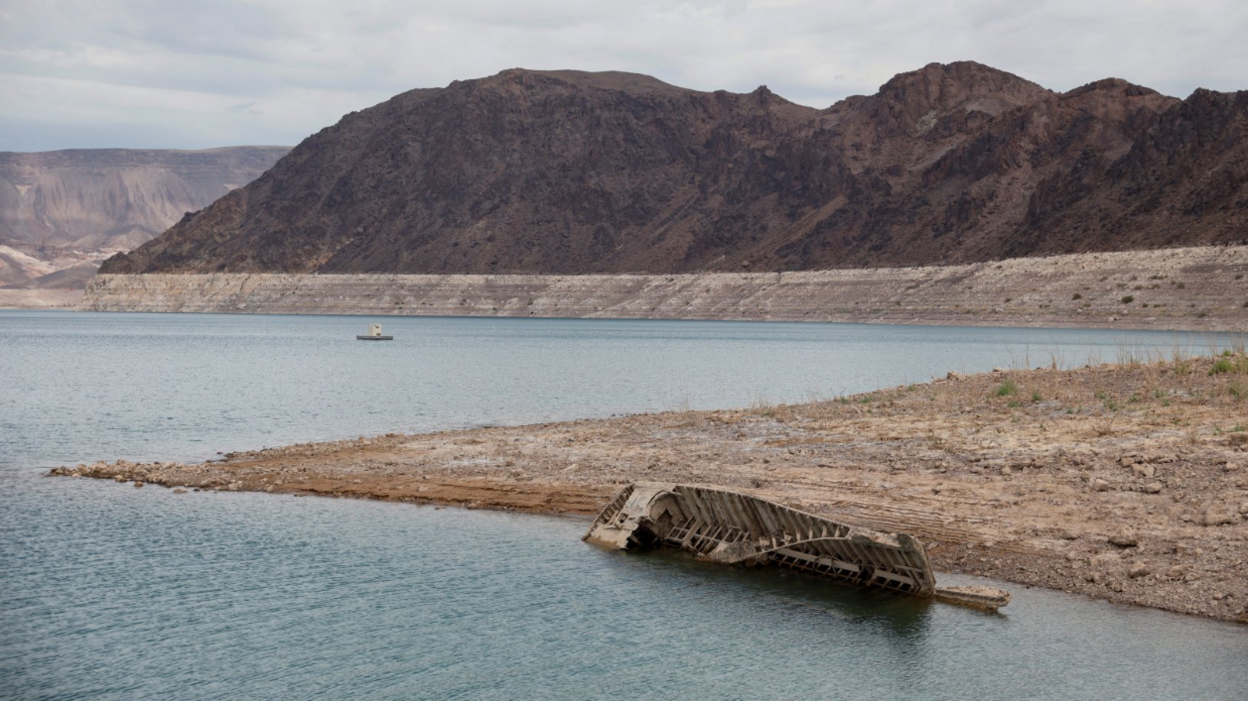
The impact stretches downstream, as Lake Mead is also predicted to face low water levels, reminiscent of a four-year period wherein submerged boats and other artifacts emerged due to shrinking water levels. Severe and ongoing drought conditions have contributed to decreasing Lake Powell, now at just 23% of capacity, necessitating unprecedented actions to retain operational efficiency of federal hydropower generators.
As climate change continues to drive severe drought in the region, local electric utility managers are warning of rising costs and uncertain futures. Without the necessary hydropower, rates may spike, disproportionately affecting disadvantaged communities interconnected with this power grid.
The situation raises critical environmental concerns as well. The dynamic created by handling Lake Powell’s intake levels could facilitate the spread of invasive fish species, posing a threat to vulnerable native populations like the humpback chub.
While temporary measures like these may stave off immediate crises, they do not address the underlying issue: a long-term trend of worsening drought conditions, spurred largely by climate change. Many are hopeful that changes in weather patterns will revive the region, providing much-needed relief and sustainability.
In response to dwindling supplies, officials have decided to release as much as a third of the water stored in Flaming Gorge Reservoir in Wyoming and Utah. This measure is essential for raising the severely depleted levels of Lake Powell, which, held back by Glen Canyon Dam, provides affordable and carbon-free electricity to over 350,000 homes.
However, this drawdown will leave lasting consequences, affecting ranchers, industries, and nearly 40 million residential water customers relying on this contested river basin. The owner of Buckboard Marina, Jen Valdez, expressed concern over declining water levels, which could force patrons to drive further over the summer to access boat-launch facilities.
If plans unfold as projected, Flaming Gorge Reservoir could drop by as much as 27 feet in the next year. Water managers aim to preserve a minimum level for Lake Powell to keep turbines operational, preventing air damage that may arise from insufficient water intake.
The impact stretches downstream, as Lake Mead is also predicted to face low water levels, reminiscent of a four-year period wherein submerged boats and other artifacts emerged due to shrinking water levels. Severe and ongoing drought conditions have contributed to decreasing Lake Powell, now at just 23% of capacity, necessitating unprecedented actions to retain operational efficiency of federal hydropower generators.
As climate change continues to drive severe drought in the region, local electric utility managers are warning of rising costs and uncertain futures. Without the necessary hydropower, rates may spike, disproportionately affecting disadvantaged communities interconnected with this power grid.
The situation raises critical environmental concerns as well. The dynamic created by handling Lake Powell’s intake levels could facilitate the spread of invasive fish species, posing a threat to vulnerable native populations like the humpback chub.
While temporary measures like these may stave off immediate crises, they do not address the underlying issue: a long-term trend of worsening drought conditions, spurred largely by climate change. Many are hopeful that changes in weather patterns will revive the region, providing much-needed relief and sustainability.