In brief
Iowa's largest city, Des Moines, incurs daily expenses of approximately $16,000 for special nitrate filtration due to elevated pollution levels, a problem exacerbated by climate change. Warmer winters and changing weather patterns contribute to more frequent nitrate pollution events, affecting drinking water quality primarily due to runoff from agricultural practices. Experts warn that without effective regulation and pollution management, the situation could worsen, particularly for vulnerable communities relying on well water.
Iowa's most populated city, Des Moines, faces a daunting challenge with escalating nitrate pollution in its drinking water systems. Today's storms brought significant rainfall, contributing to the rapid increase of nitrates from fertilizers and pesticides into the rivers feeding the city. This disturbing trend has prompted city officials to activate specialized filtration systems that cost the city a staggering $16,000 daily during critical winter months.
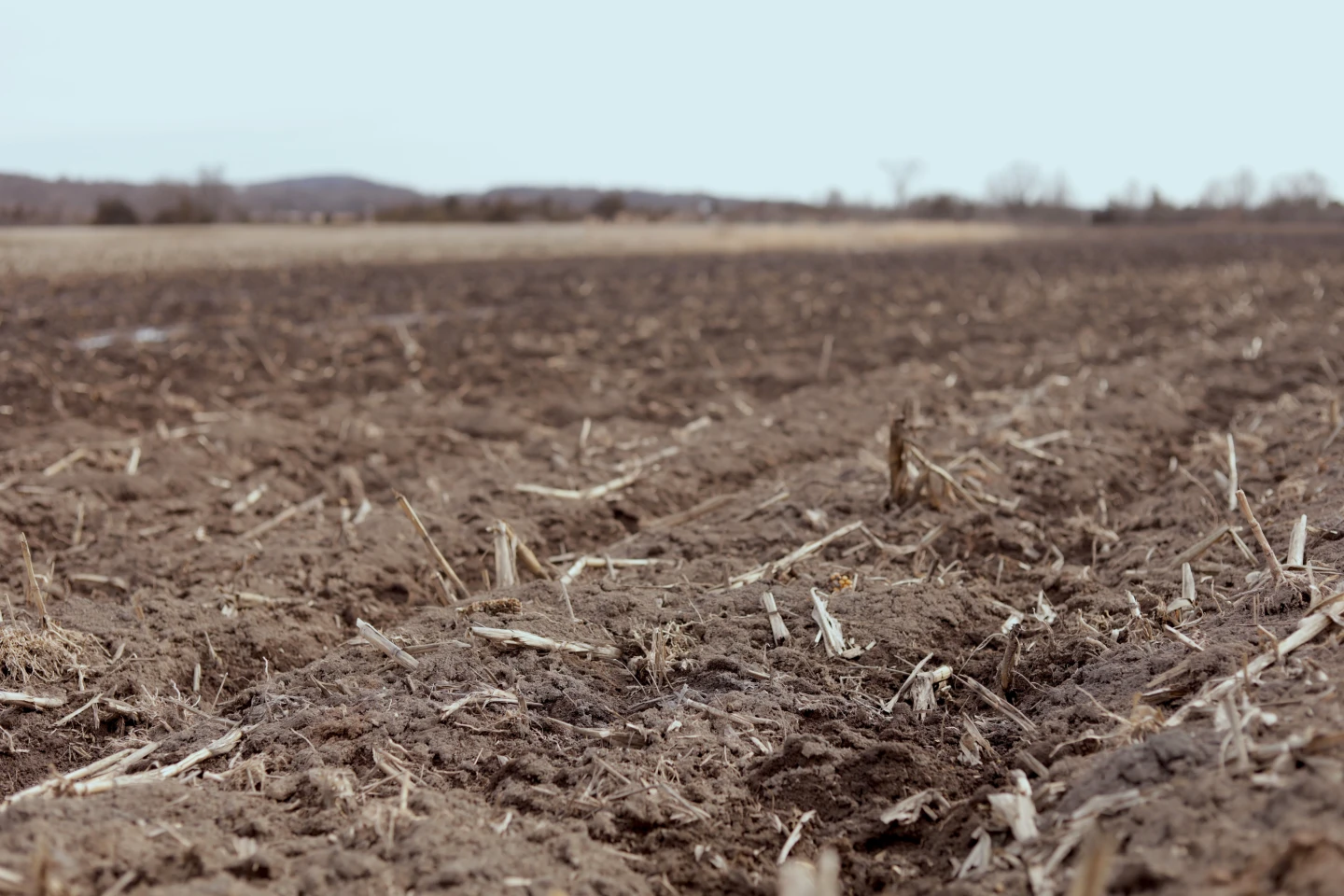
Experts have increasingly linked the alarming rise in nitrate levels to climate change. Justin Glisan, Iowa’s state climatologist, noted that warmer winters create conditions for greater nitrate runoff during periods of rainfall and snowmelt. These shifts in weather patterns, often leading to heavy precipitation following a thaw, result in nutrients being washed from fields into water sources, thereby raising health risks.
As Des Moines Water Works CEO, Amy Kahler emphasized, the ongoing situation puts a financial strain on water treatment facilities while revealing the broader implications for communities at risk, especially those reliant on private wells for their water. The situation calls for urgent action, as rigorous regulations on agricultural runoff remain a source of contention among stakeholders.
Amidst ongoing efforts to manage this crisis, advocates call for both conservation strategies and better nutrient management practices. Iowa's agricultural practices must adapt to these changing environmental conditions if communities are to safeguard their water supplies against increasing pollution levels, as further challenges from climate change loom on the horizon.