In brief
Corpus Christi, Texas, is enduring a persistent drought that has depleted its water reserves and forced officials to implement strict conservation measures. With reservoirs at unprecedented low levels, the city is working to secure new water sources and prepare for potential mandatory cuts to both residents and industries, which are major users of the city's water supply.
In parched southern Texas, a yearslong drought has severely depleted Corpus Christi’s water reserves, prompting the city to scramble for solutions to prevent a water shortage that could lead to painful restrictions for residents and disrupt local industries.
City officials, including City Manager Peter Zanoni, have acknowledged that they did not anticipate such a drastic drought nor receive the necessary new water supplies. These challenges surfaced as water sales to large industrial consumers increased, revealing a failure to keep pace with infrastructure demands.
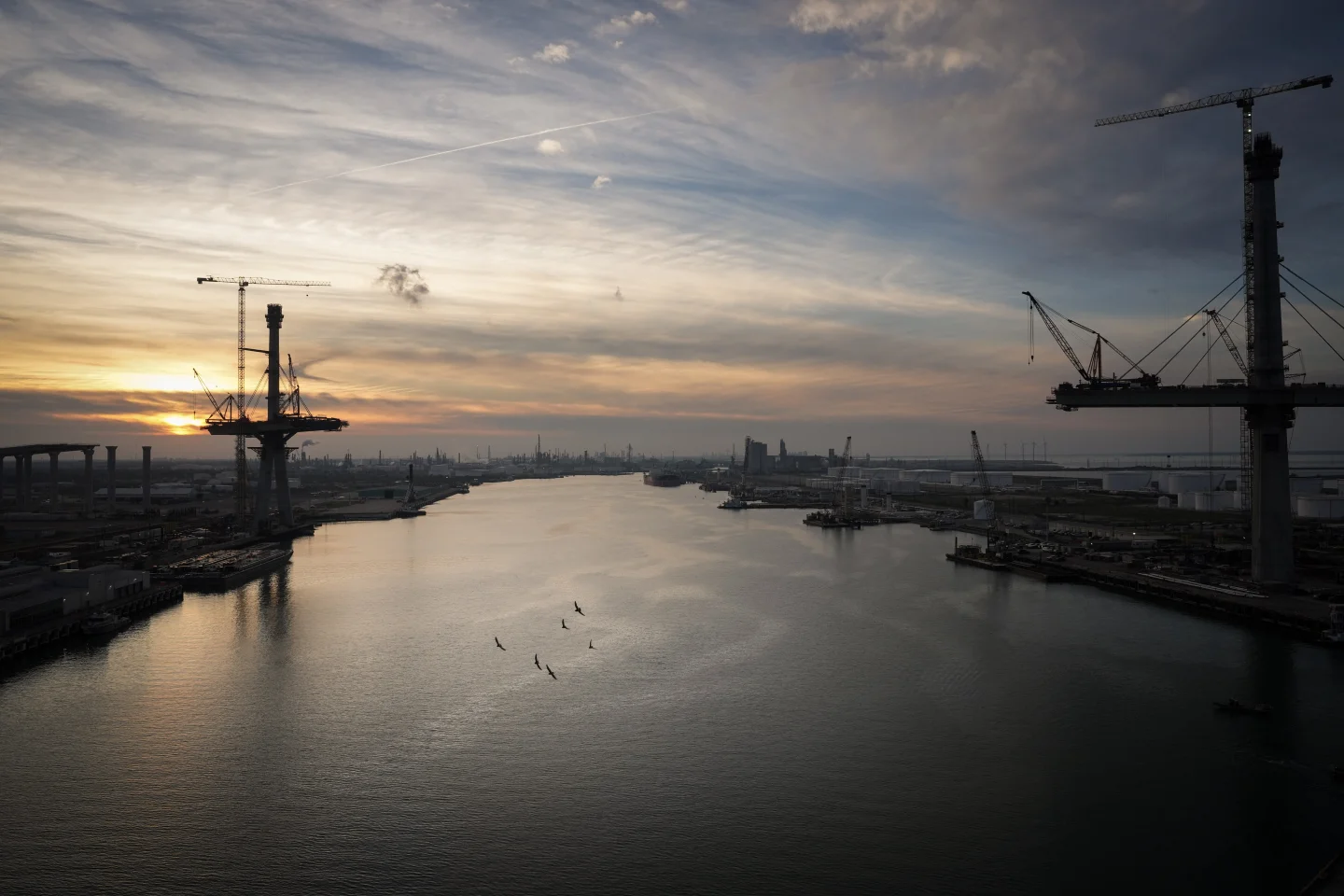
While Zanoni emphasized that it is unlikely Corpus Christi will completely run out of water, the prospect of forced cutbacks looms over both residents and the local energy sector—a critical player in producing about 5% of the nation's gasoline supply.
The city, which has approximately 317,000 residents and serves adjacent counties, finds itself in a precarious position as drought conditions persist. Former city council member David Loeb humorously suggested praying for a hurricane, recognizing the acute need for rain to alleviate the dry spell.
The city is currently in Stage 3 of its drought plan, restricting many forms of outdoor water use. These measures have stirred frustration among residents, particularly regarding increased water bills and the inability to water lawns, with criticism directed at industry which reportedly uses up to 60% of the city's water supply.
As the city taps into groundwater to bolster supply, attention is turning to the Evangeline Groundwater Project, which, pending state approval, could help bring more water to the area. However, some local leaders express concerns over water quality and environmental impacts of extensive groundwater extraction.
If a water emergency is declared, the city may have to enforce mandatory reductions in usage across sectors, including the industrial water users, which could result in operational disruptions for essential local industries. There is significant concern about the economic repercussions of such regulations, particularly in an area dependent on energy production.
Amid these challenges, city leaders remain hopeful that their ongoing strategies to enhance water supply and manage resources will prevent a full-blown crisis.