Habitat loss and noise force Himalayan monal birds to adapt their calls
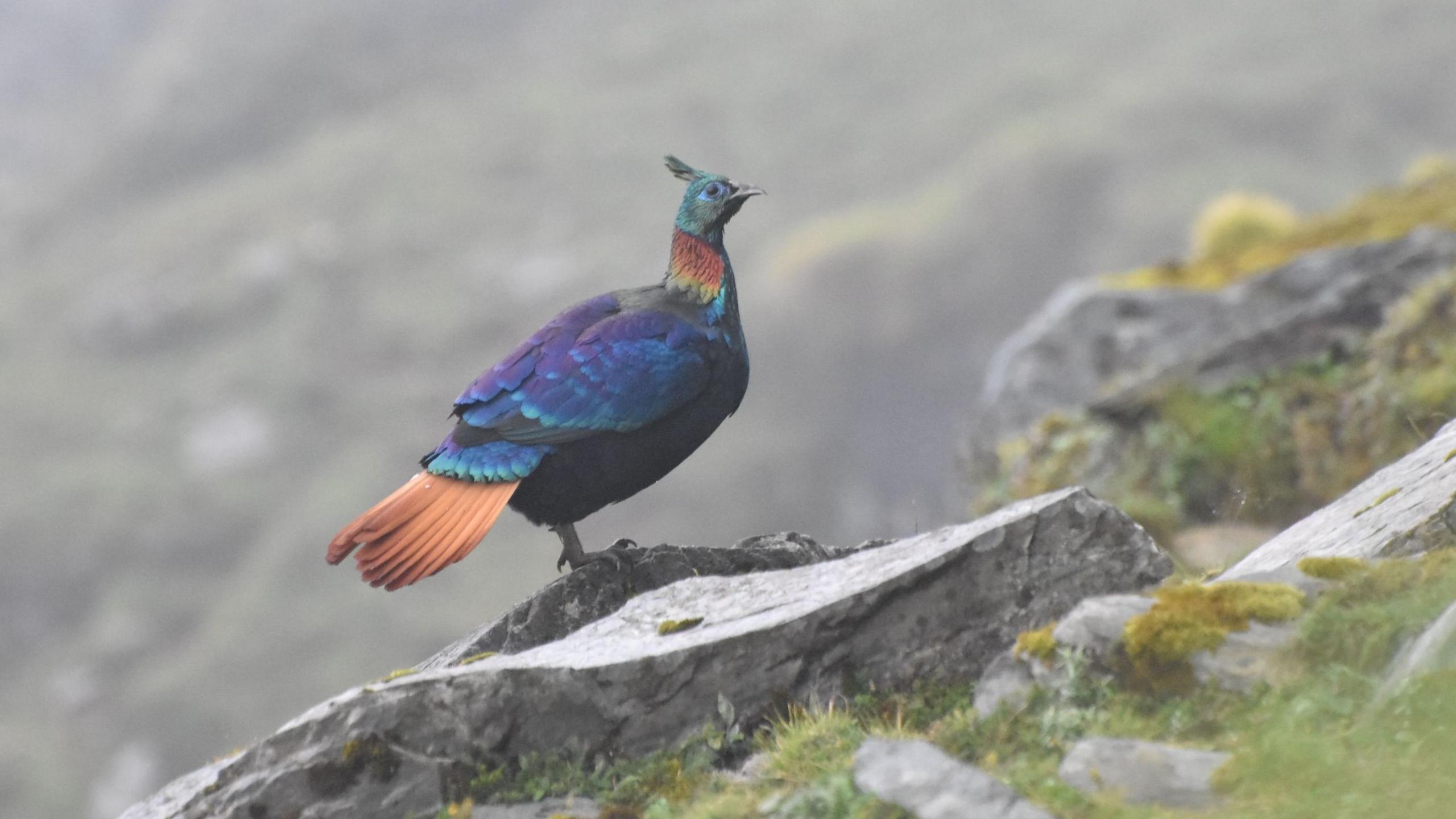
The monal, a pheasant prized for its rainbow‑colored plumage and central role in Himalayan culture, is enduring unprecedented pressure from human activity in India’s Uttarakhand and neighbouring Himalayan ridges.
Over a five‑year period, researchers Dr Rajeev Lochan and his team conducted two separate studies. The first tracked the species’ distribution and found that escalating tourism and construction are forcing monals to climb higher in the mountains as the lower alpine meadows they traditionally occupy become increasingly crowded and fragmented.
The second study, carried out in the Kedarnath Musk Deer Sanctuary’s busy Chopta valley and the quieter Madmaheshwar valley, recorded more than 700 calls from the birds. The data show a clear pattern: monals near heavy traffic noises raised the pitch of their courtship and territorial calls and produced shorter call bursts so their signals could cut through low‑frequency human chatter.
“These behavioural changes are a form of plasticity, not a permanent evolutionary shift,” Dr Lochan said. “But they underscore how rapidly wildlife are forced to adjust to a noisy landscape.”
Ecologists fear that such adaptations might compromise breeding success and long‑term survival. A higher, higher‑elevation habitat can also mean less suitable forage and more stressful winters.
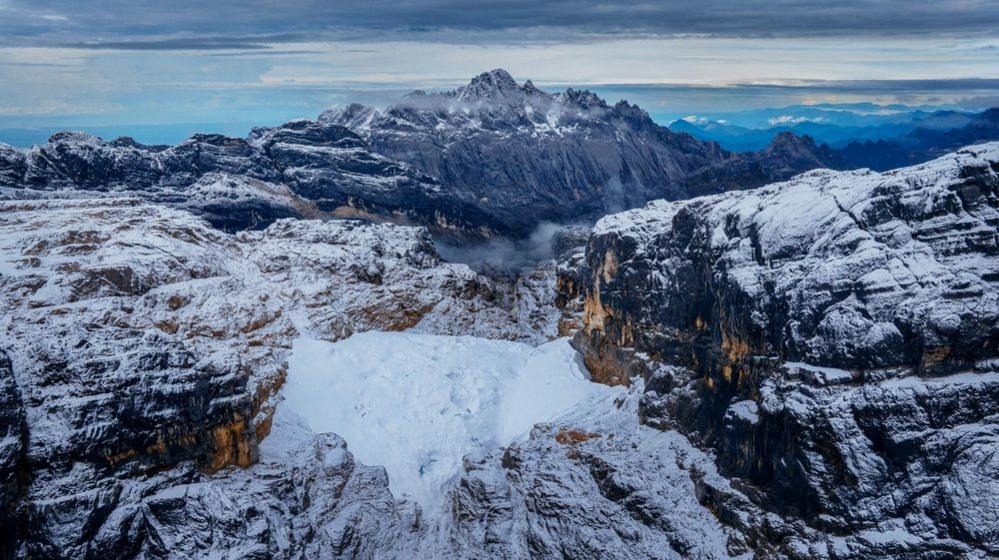
In addition to noise, climate models used in the first study project continued shrinkage of alpine meadow habitat under multiple IPCC‑2023 scenarios, potentially isolating populations across the Himalayan range.
By acting as an indicator species, the monal’s plight offers a warning to conservationists that broader Himalayan ecosystems are tipping towards required intervention.
“If the monal is already forced to change both its voice and its address, the stakes are higher for the countless other species that share its niche,” said environmental practitioner Vishal Singh.
The research, as a preliminary step, calls for aligning regional economic growth with ecological protection and larger efforts to reduce human‑induced noise pollution in wildlife corridors.