In brief
Donald Trump has signed an executive order to delist the grey wolf and its Mexican subspecies from the Endangered Species Act. The move could allow ranchers to kill wolves that attack livestock, a decision justified by the President as a nod to America’s agricultural heritage. Conservation groups warn that the order threatens long‑term recovery efforts, citing that wolf attacks are rare and that the gray wolf still faces habitat loss. The order gives Interior Secretary Doug Burgum 90 days to determine if populations have recovered sufficiently before removing protections, while critics argue the decision disproportionately favors ranchers over wildlife. This policy shift occurs amid rising beef prices and ongoing debate over the role of wolves in ecosystems.
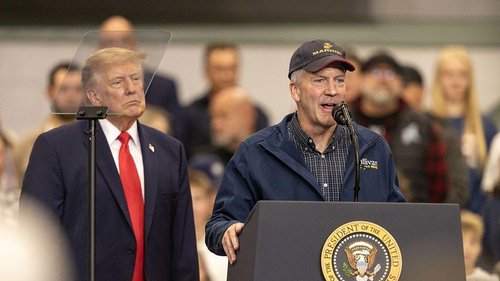
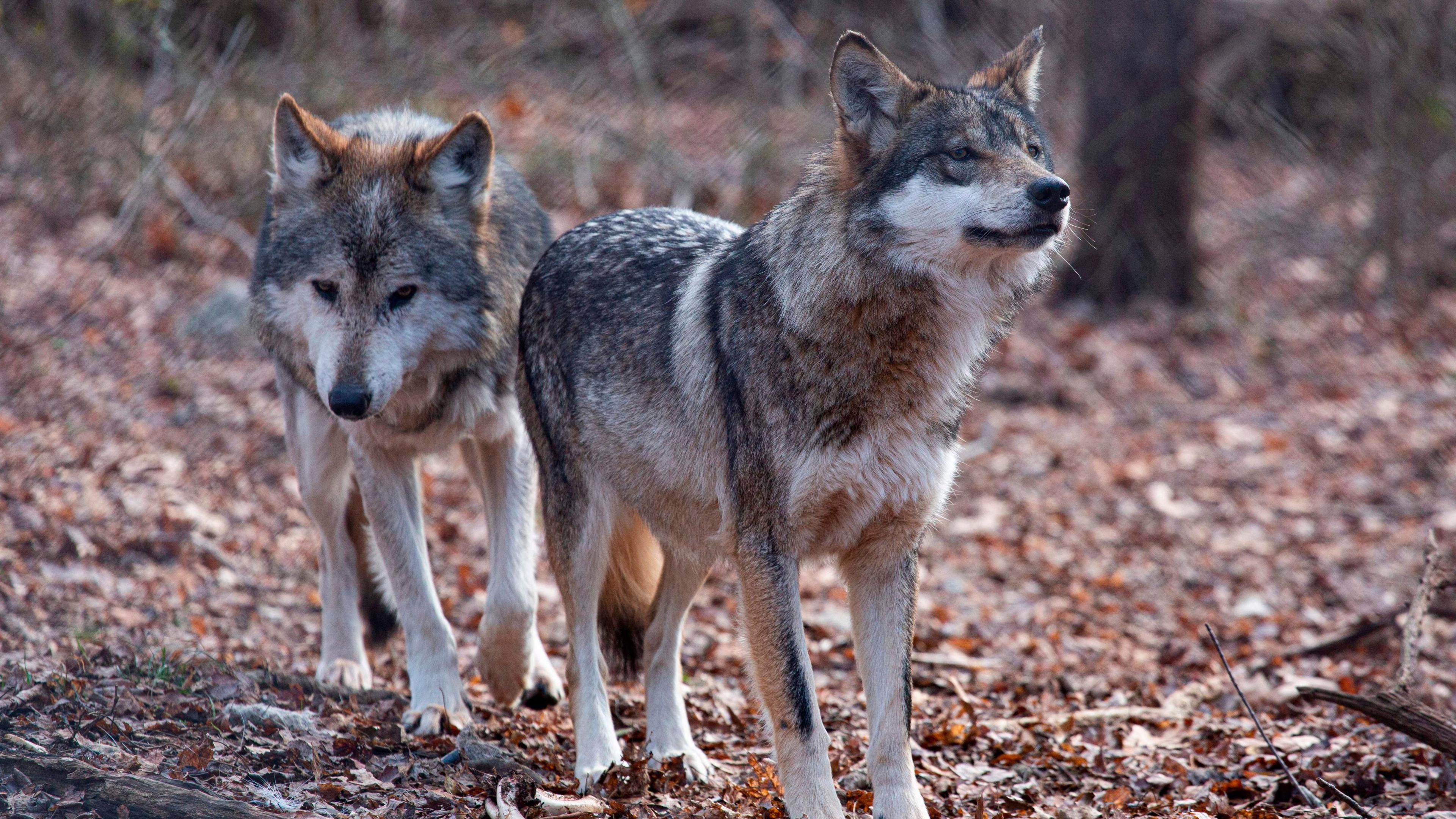
Donald Trump has signed an executive order to remove endangered species protection for the grey wolf and the Mexican wolf.
He argues that ranchers play a "vital role" in the food supply chain and American cultural heritage, and that the order could give them a pathway to protect livestock from wolf attacks.
Conservation groups have criticized the move, warning it could derail decades of recovery work. Statistics show the Mexican wolf population climbed from just four in 1998 to 319 in 2025, while the grey wolf numbers stand at roughly 18,000 but remain endangered due to habitat loss.
The executive order does not immediately grant ranchers the right to shoot wolves; instead, it gives Interior Secretary Doug Burgum 90 days to assess whether each species has recovered enough to be removed from the endangered species list.
Trump highlighted that U.S. livestock herds were at a 75‑year low and that beef demand has risen by 10% over the past decade, claiming more support is needed for this critical industry.
Environmental advocates point out that wolf–livestock conflicts are rare and that compensation programs already exist to mitigate losses, citing that ranchers can receive up to 100% reimbursement for livestock lost to wolves.
"This is a huge distraction to placate a handful of ranchers and make them believe that wolves are a greater threat than President Trump's own policies," said Greta Anderson, deputy director of the Western Watersheds Project.
Claire Musser of the Grand Canyon Wolf Recovery Project warned that the Mexican grey wolf is not considered recovered simply because population numbers have risen, noting that weakening federal protections could put long‑term recovery at risk.
The order arrives as the Trump administration seeks to lower record‑high beef prices, citing drought and a parasite outbreak in U.S. beef stocks. However, ranchers have also been frustrated with the President’s loosening restrictions on beef imports to address price rises, which strains their margins.
Historically, the U.S. government launched a campaign to systematically exterminate wolves at the end of the 19th Century, an effort joined by farmers and landowners that pushed the species to brink of eradication. Ranchers still view wolves as a nuisance, with killing them considered a federal crime.