In brief
A sudden glacial collapse on 26 August unleashed flash floods that devastated the Nepal‑Tibet border, leaving at least 1,200 dead in Nepal and more than 4,200 missing. The United Nations, together with Nepalese authorities, has launched a four‑month humanitarian appeal and deployed teams to deliver relief, reunite families, and search for survivors. Rescue efforts face major challenges, including more than 40 destroyed bridges, flooded hydropower tunnels, and restricted access on the Tibetan side. Heavy machinery and drones are being used to clear routes, while experts warn that climate‑driven melt and permafrost thaw are accelerating the risk of such disasters in the Himalayas. The Nepalese government has declared disaster status in 15 areas, mobilizing the army and seeking international support.
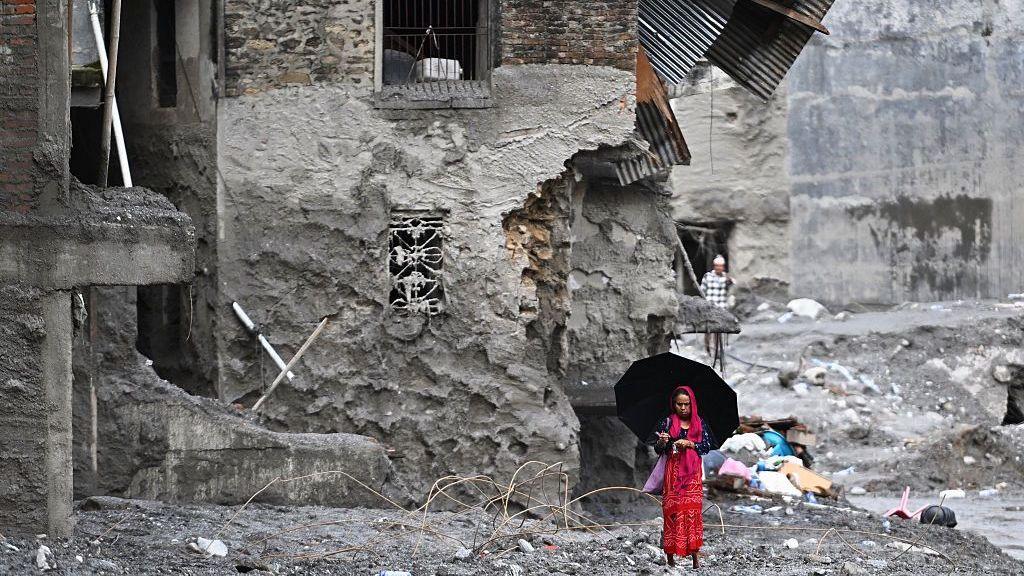
On 26 August, a sudden glacial collapse triggered a flash flood that swept through the Nepal‑Tibet border, destroying villages and leaving a catastrophic toll. At least 1,200 people died in Nepal, with more than 4,200 reported missing, while the Tibetan side recorded 21 confirmed deaths and over 500 unaccounted‑for individuals.
The United Nations Office for the Coordination of Humanitarian Affairs has stepped in to intensify relief and recovery operations. A four‑month humanitarian appeal has been launched, and UN teams are joining national authorities to deliver aid, reunite families, and locate survivors amid the crisis.
Rescue efforts face major obstacles: more than 40 bridges were destroyed, hydropower tunnels appear trapped by floodwater, and the Tibetan government, which has tight control over media, limits information from the border area. Heavy machinery and helicopters are clearing routes, while drones survey hard‑to‑reach zones for survivors.
Earlier today, Nepal’s disaster management agency announced that nearly 12,000 people had been rescued, and 3,500 people have been relocated to temporary shelters in 27 sites, primarily schools. However, contaminated water and damaged health facilities put residents at significant disease risk during the monsoon season.
Prime Minister Balendra Shah emphasized that the disaster “snatched away families in an instant,” urging the international community to address the escalating climate risks in the Himalayas. He echoed calls for stronger global cooperation to mitigate climate change and improve early‑warning systems for glacier-related hazards.
As rescue teams work around the clock, the UN’s coordination focus remains on access and communication—critical for delivering supplies to remote villages that are still stranded by debris and lack power and fuel. Their continued presence aims to support Nepal’s disaster recovery plan for the coming months.