Swiss Glaciers Face Disastrous Loss of Ice Amid Heatwaves

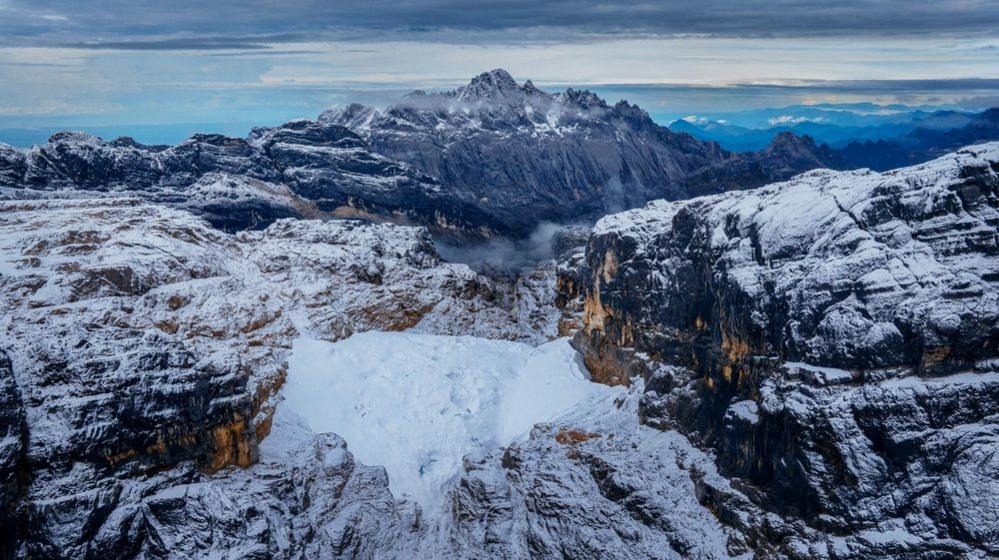
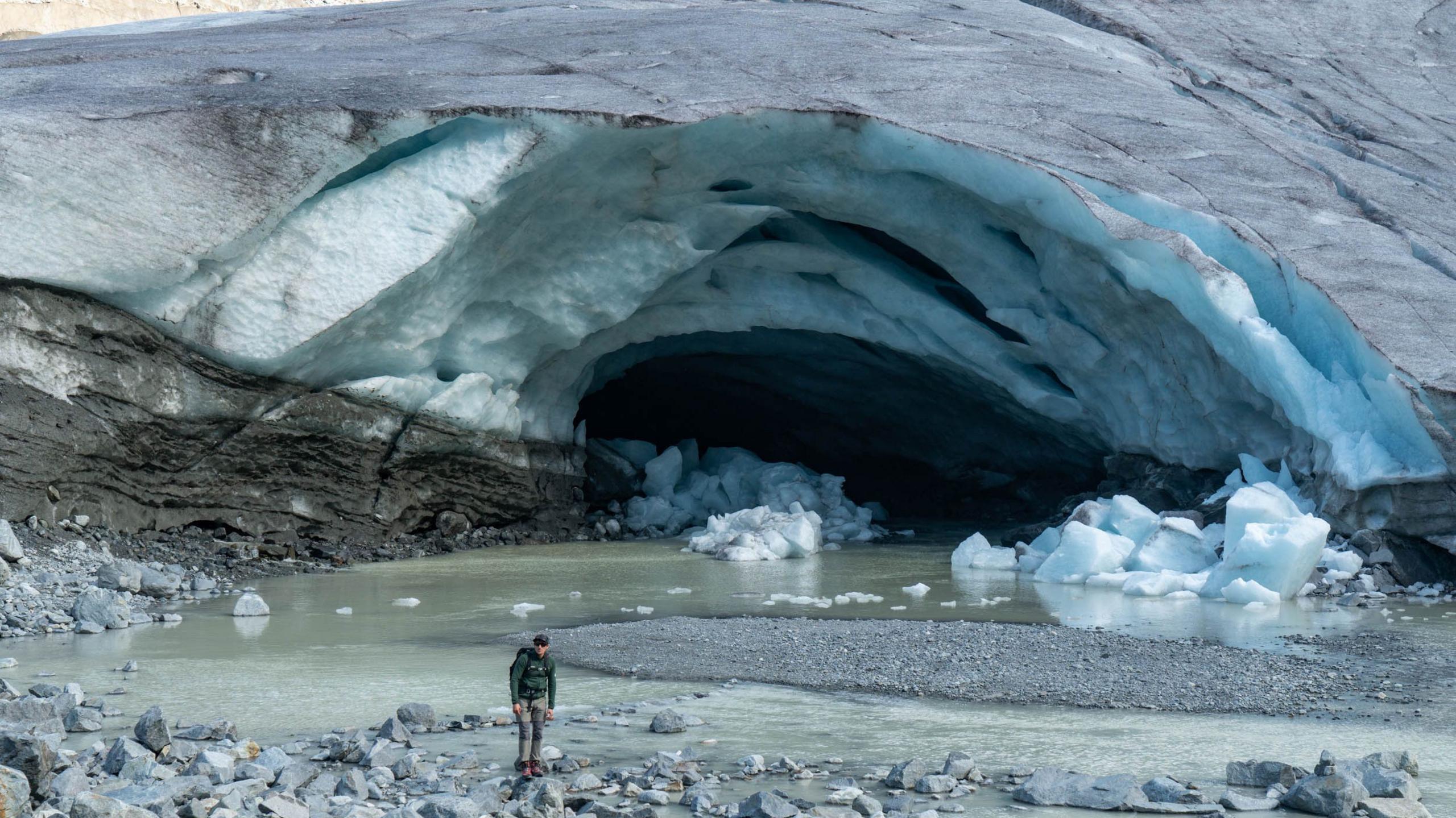
Scientists report a near‑record melt of Swiss glacier ice in 2026, with more than 5 % of the country’s remaining glaciers gone in just one year. The pace of loss is described as “extraordinary” and far above the 2 % threshold once considered extreme.
The rapid disappearance of ice poses risk to Switzerland’s water infrastructure, threatening hydro‑power, irrigation, and shipping routes that rely on meltwater during dry spells. In the same summer, glaciers poured over 2.2 trillion litres of meltwater between July and September, temporarily easing shortages but rapidly depleting the frozen reserves for future use.
Heatwaves in May and June left glacier fronts bare of snow – a darker, less reflective surface that absorbed more solar energy and accelerated melt. Even at elevations of 3,500 metres, no snow remained at summer’s end, starving the glaciers of the “food” required to rebuild ice mass. Scientists fear that many alpine glaciers may disappear entirely if temperatures keep rising.
The damage isn’t limited to alpine regions. Climate experts argue that cutting carbon emissions sharply could still preserve much of the world’s glacier ice, especially in the Himalayas and polar areas where most ice currently resides. Protecting these glaciers is crucial for stabilising sea levels and safeguarding billions of people living along coastlines.
For more in‑depth coverage, sign up for the Future Earth newsletter: Future Earth newsletter. If you’re outside the UK, subscribe here. Additional reporting by Dominic Bailey