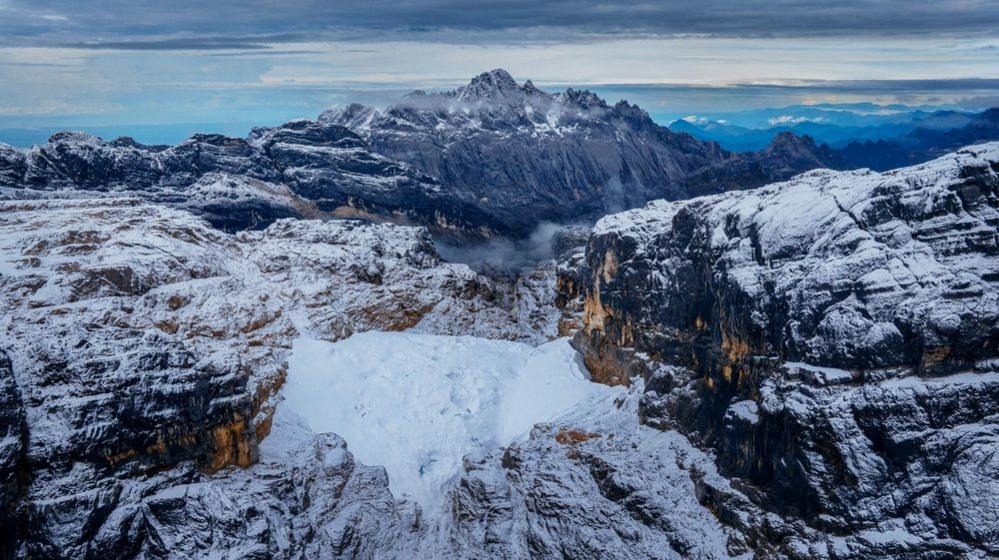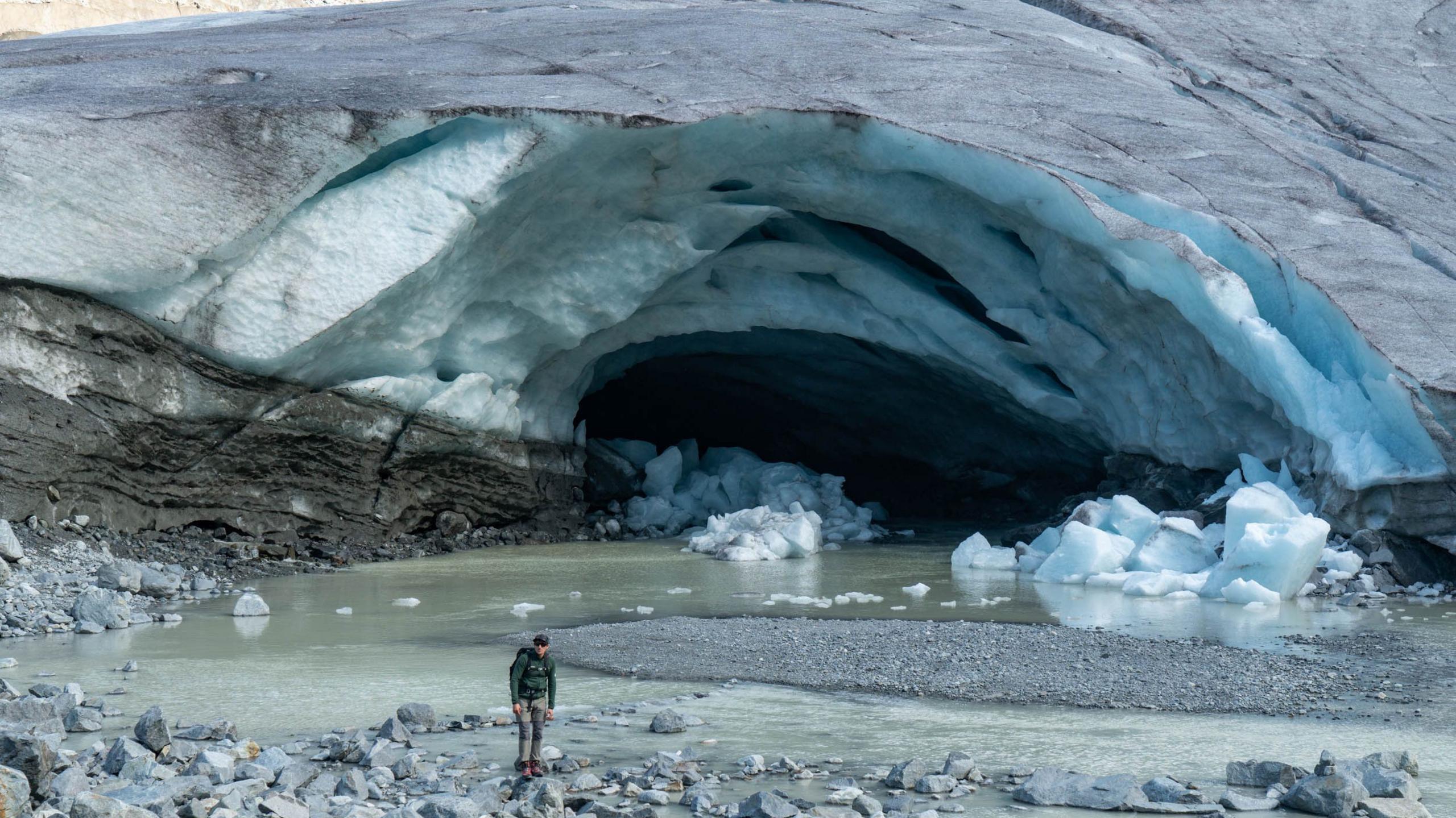

Swiss glaciers have vanished faster than anyone expected, with scientists reporting a loss of more than 5% of the country’s remaining ice in 2026 – a figure that eclipses the 2% loss once seen as extreme.
Late spring heatwaves in May and June stripped months of snow from Alpine peaks, exposing darker ice that absorbs heat more readily. The result was a runaway melt that left glaciers unable to re‑gain mass from snowfall on the upper reaches.
These rapid losses raise serious concerns for water security. The cold meltwater that fed farms, hydropower stations and even shipping lanes during the summer has already been released, but that stock is quickly vanishing.
Dr Matthias Huss, director of Glacier Monitoring Switzerland, described the winter’s melt as “disastrous.” He warned that every drop of water running off a glacier now comes from centuries of stored snow – a resource that will run dry when the next heatwave hits.
High altitude sites reveal even graver outcomes. At 3,500 metres above sea level – where glaciers normally retain winter snow – no snow remained in late summer. Without snow to compact into ice, these glaciers are set to starve, shrink and ultimately disappear.
While the grinding collapse of Alpine ice is unavoidable, scientists stress that sharp cuts to carbon emissions could stabilize many of the world’s glaciers, especially in the Himalayas and polar regions, and might limit sea‑level rise for billions living along coastlines.
For more on this topic, visit BBC News.