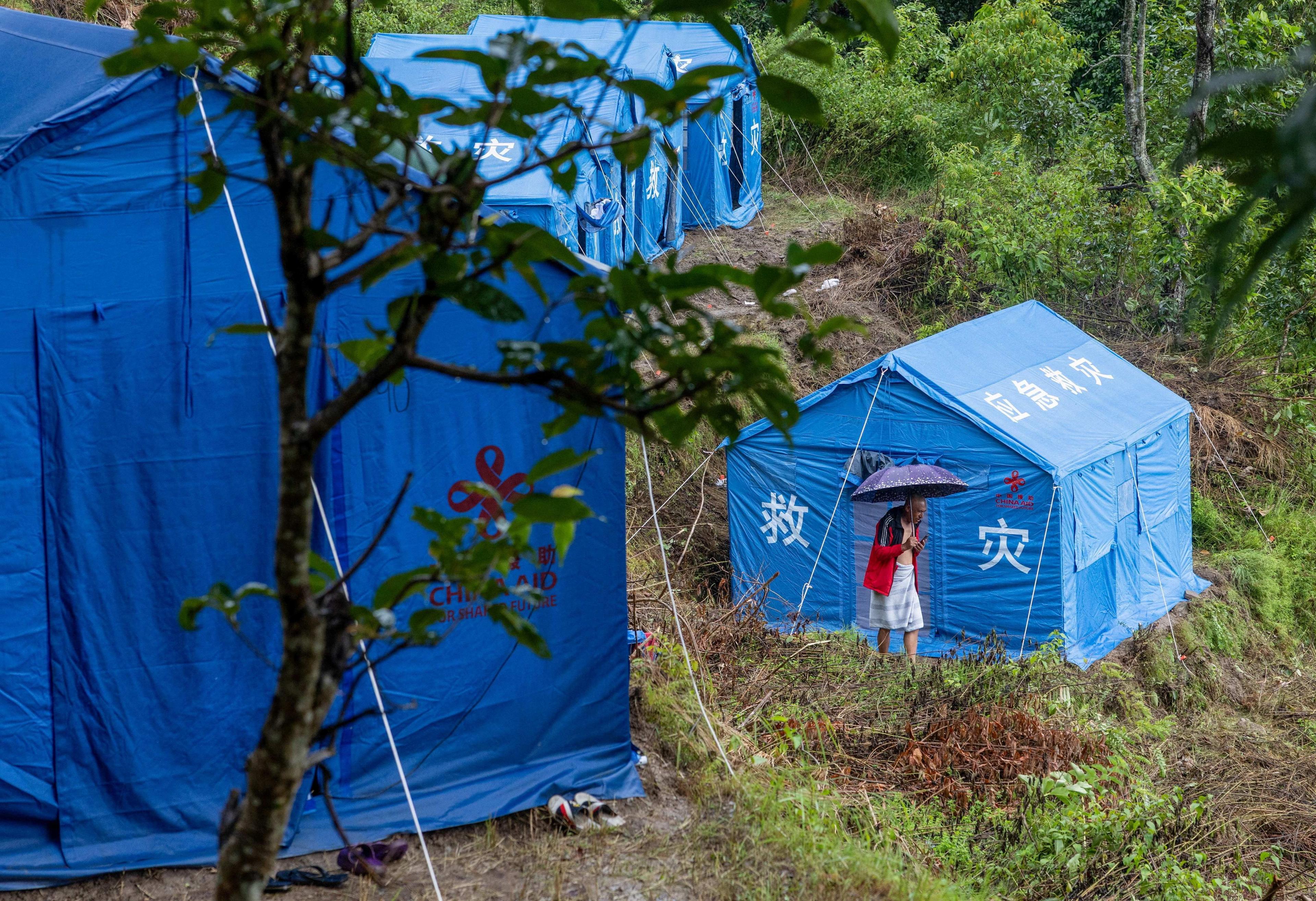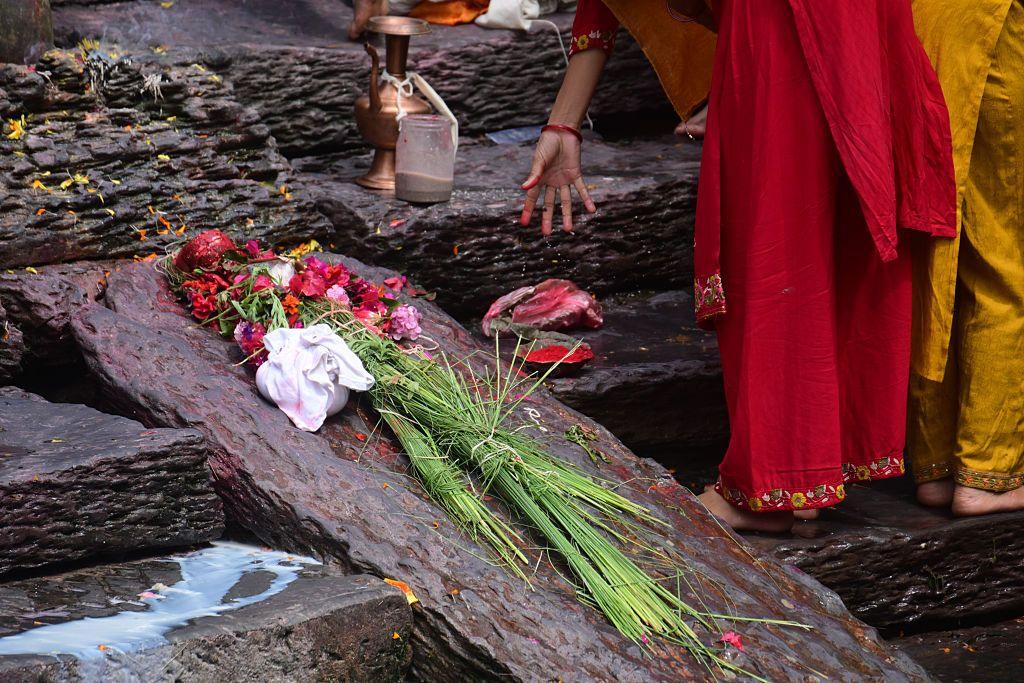

At the Pashupatinath temple on the banks of the Bagmati river in Kathmandu, families are conducting last‑minute memorials for loved ones who vanished in last month’s flood that devastated the China–Netherlands border.
In Hindu tradition, when a body cannot be recovered, a symbolic effigy made from sacred kusha grass represents the dead and lets relatives perform the proper funeral rites. The practice has become the only legal avenue for families such as that of Madan Lal Lawat, who survived the deluge but lost five relatives, including his brother who was last seen warning others to evacuate.
Under Nepal’s Civil Code, a missing person is only presumed dead after twelve years, a provision that does little to help victims of sudden disasters. Without an official death certificate, families are barred from accessing compensation, property transfers and inherited assets even as the government has estimated that the flood left more than 8,300 households with damaged property worth over £123 million.
The law’s rigidity has prompted constitutional experts to call for reform. Bipin Adhikari says the law was drafted for people who disappeared while abroad, not for a fast‑moving river that swept villages into the sea. “Technology has advanced, but the law has not kept pace with how quickly information can be shared,” he notes.
Meanwhile, local officials in Bidur municipality insist that the federal government must resolve the death‑certificate issue before families can claim even the modest compensation offered for bereavement and funeral costs. Mayor Rajan Shrestha warns that a delay could lock families out of relief for up to a decade.
The flood’s broader fallout includes the loss of vital infrastructure: schools, health clinics, bridges and hydropower projects. Prime Minister Balen Shah has urged the international community to adopt grant‑based support rather than new loans, arguing that “digging out from a climate‑driven catastrophe requires more than a pat fall of debt.”
For survivors like Tisum Ghale, the tragedy is personal and economic. After losing his childhood home in the 2015 earthquake, he had settled in Betrawati, only for the flood to kill several of his sisters and leave him responsible for caring for eight orphaned children. Yet he has received no compensation and is again forced to rebuild.
As Nepalis gather on the riverbank with kusha grass in hand, they wait for an administrative and legal solution that will allow them to honor those lost and move forward with their lives.