In brief
President Donald Trump signed an executive order that removes federal endangered‑species protection for grey wolves and the Mexican wolf subspecies. The decision gives Interior Secretary Doug Burgum a 90‑day window to determine whether the populations have recovered enough for de‑listing. While ranchers welcome the move as a safeguard for livestock, environmentalists warn it threatens decades of species recovery effort. Only 319 Mexican wolves currently roam the U.S., up dramatically from four in 1998, yet debates continue over the true threat they present to farmers. Critics argue that the move is a distraction amid broader economic concerns and could undermine future conservation gains.
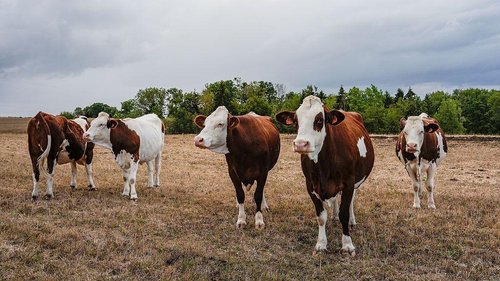
On 5 September 2026, President Donald Trump signed a sweeping executive order that removes the federal endangered‑species listing for both the grey wolf and its Mexican subspecies. The order frames these canids as a threat to livestock, positioning ranchers as a vital part of the food supply chain and American cultural heritage.
The decree does not immediately grant ranchers a license to shoot wolves preying on cattle. Instead, it grants Interior Secretary Doug Burgum a 90‑day period to evaluate whether the populations have recovered to a level that would justify removal from the endangered‑species list. If the Secretary finds the standards met, the wolves would be delisted and hunting targets could shift, potentially facilitating protected‑species slaughter.
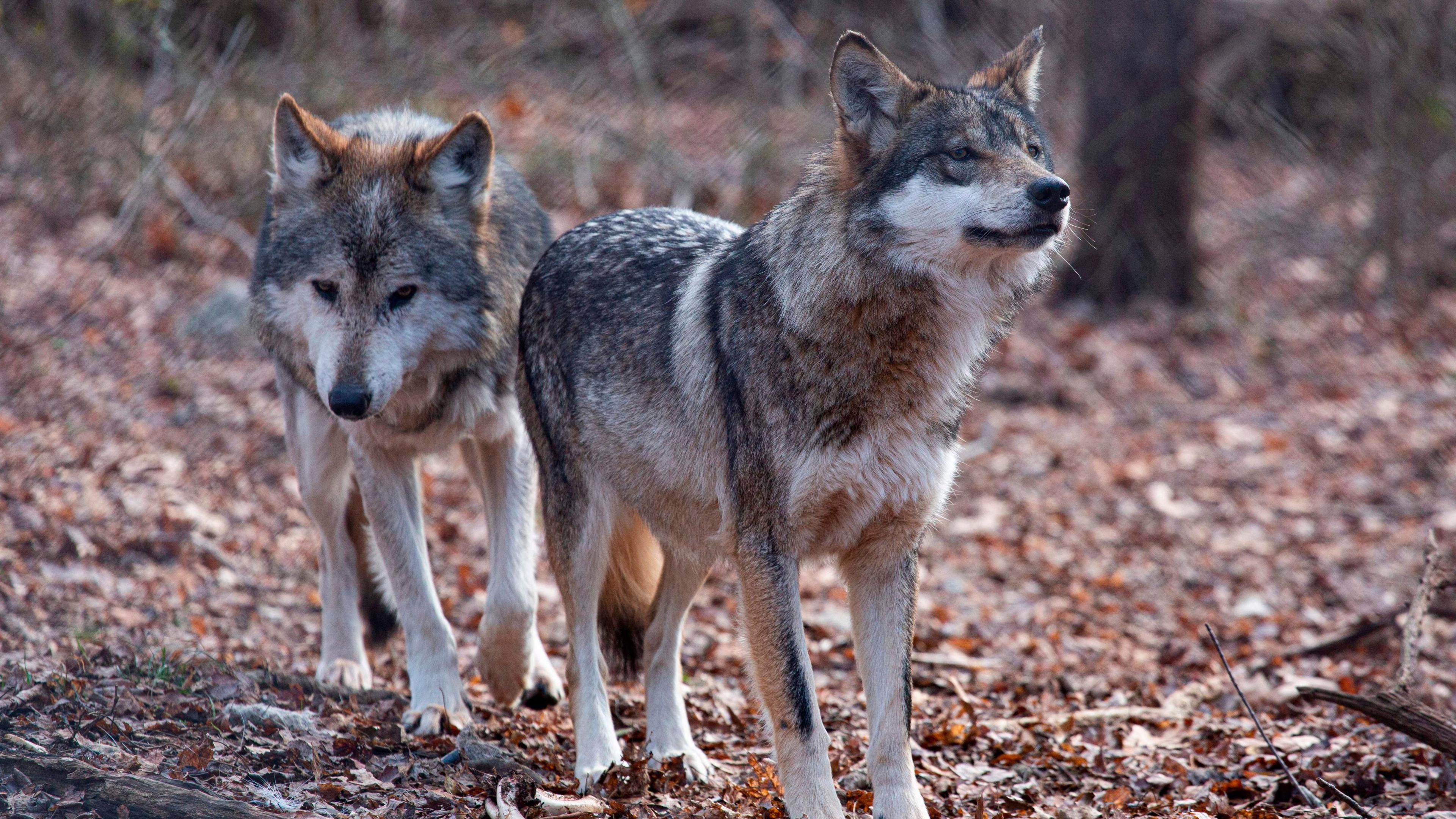
Currently, the U.S. Fish and Wildlife Service records 18,000 grey wolves roaming the country, most of whom inhabit fragmented and degraded habitats. Meanwhile, the Mexican wolf population sits at 319 individuals in the wild—an astonishing increase from just four animals reintroduced in 1998.
Conservation groups rushed to criticism, stating the order jeopardises long‑term recovery work and poses a threat to wilderness biodiversity. “Weakening federal protections now would put decades of recovery work at risk,” said Claire Musser, executive director of the Grand Canyon Wolf Recovery Project.
Opponents also point to data showing wolf attacks on livestock are rare and have minimal financial impact on ranchers. “This is a huge distraction to placate a handful of ranchers,” said Greta Anderson, deputy director of Western Watersheds Project.
The order arrives amid escalating beef prices driven by drought and parasites, and in the wake of Trump’s loosening of beef‑import restrictions aimed at curbing costs for consumers. Ranchers have expressed frustration over the heightened competition for their margins.
The U.S. government historically pursued aggressive wolf extermination campaigns in the 19th century, a legacy that has left modern populations vulnerable. The current executive order signals a striking shift in policy, potentially altering the trajectory of wolf recovery and raising questions about the broader implications for wildlife conservation in the United States.