Just over two years ago, when Sheikh Hasina won an election widely condemned as rigged in her favour, it was hard to imagine her 15-year grip on power being broken so suddenly, or that a rival party that had been virtually written off would make such a resounding comeback. But in the cycle of Bangladeshi politics, this is one more flip-flop between Hasina's Awami League and the Bangladesh Nationalist Party (BNP), which have alternated holding power for decades.
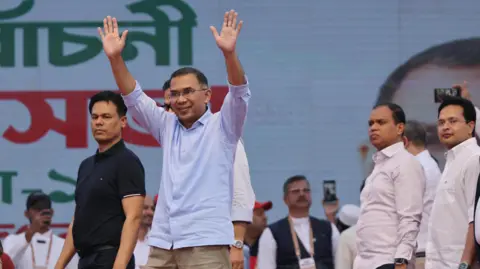
For the first time, Tarique Rahman is formally leading the BNP - a party long identified with his mother, Khaleda Zia, who led it for decades until her death last year. Rahman has faced charges of corruption but represents a new era for the party as it seeks to revive its fortunes. Political scientists note that his lack of prior experience as a political leader could play to his advantage, offering a prospect of change to a populace weary of entrenched corruption and ineffectiveness.
With the BNP stating its priority to restore democracy in Bangladesh, political engagement among young citizens is stronger than ever. The legacy of the "July uprising" underpins a joint hunger among the youth for a government truly accountable to them. They articulate a desire for better economic conditions, and any swing back towards authoritarianism could spark further dissent.
While the BNP's rise raises hope for reform, the history of Bangladeshi politics suggests a long road of challenges ahead. It also remains uncertain how pluralistic the new political landscape will become, especially given the critical responses from the disqualified Awami League. As Tarique Rahman embarks on his term, the patience of an alert electorate will be vital in shaping the next chapter for Bangladesh.
For the first time, Tarique Rahman is formally leading the BNP - a party long identified with his mother, Khaleda Zia, who led it for decades until her death last year. Rahman has faced charges of corruption but represents a new era for the party as it seeks to revive its fortunes. Political scientists note that his lack of prior experience as a political leader could play to his advantage, offering a prospect of change to a populace weary of entrenched corruption and ineffectiveness.
With the BNP stating its priority to restore democracy in Bangladesh, political engagement among young citizens is stronger than ever. The legacy of the "July uprising" underpins a joint hunger among the youth for a government truly accountable to them. They articulate a desire for better economic conditions, and any swing back towards authoritarianism could spark further dissent.
While the BNP's rise raises hope for reform, the history of Bangladeshi politics suggests a long road of challenges ahead. It also remains uncertain how pluralistic the new political landscape will become, especially given the critical responses from the disqualified Awami League. As Tarique Rahman embarks on his term, the patience of an alert electorate will be vital in shaping the next chapter for Bangladesh.