Bangladesh's Youth Movement Faces Challenges Amid Looming Elections
As Bangladesh approaches elections following a historic uprising, the divide between youth-led political goals and established party dynamics poses significant challenges.
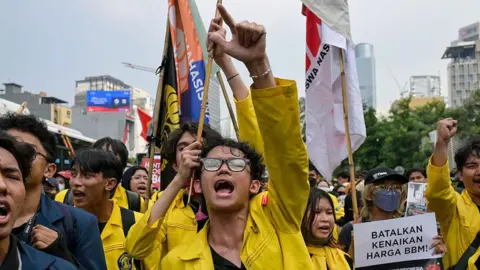
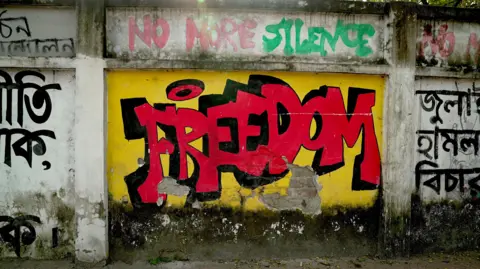
The student-led demonstrations led to the toppling of Prime Minister Sheikh Hasina, marking a pivotal moment for the youth in Bangladesh. However, as these young activists prepare for the upcoming elections, they find themselves grappling with internal divisions and the resurgence of long-established political parties that are quickly filling the power vacuum left behind.
While the National Citizen Party (NCP), which emerged from these youth protests, initially seemed poised to play a significant role in shaping the new government, its fractured base and sidelining of women have exposed underlying weaknesses. The ban on Hasina's Awami League has opened the door for rivals like the Bangladesh Nationalist Party (BNP) to strengthen their hold, complicating the political landscape further.
Amid this backdrop, alliances are being formed. The NCP's recent coalition with Jamaat-e-Islami leads to new possibilities, but also raises eyebrows due to the historical context of Jamaat's involvement in controversial political actions since Bangladesh's independence.
In the meantime, the personal stories of young activists add depth to the political narrative. Rahat Hossain, who witnessed the police shooting of his friend during the protests, embodies the enduring commitment of the youth seeking justice and reform. As he reflects on his past, he opines that the true healing will come only with a democratically elected government that can navigate the country toward its promised better future.
As the countdown to elections continues, the stakes remain high; the youth of Bangladesh are not only fighting for a voice but also for a true transformation that addresses the injustices of the past while building a more inclusive and equitable political framework for the future.