Bangladesh's New Leadership and the Horizon for Change
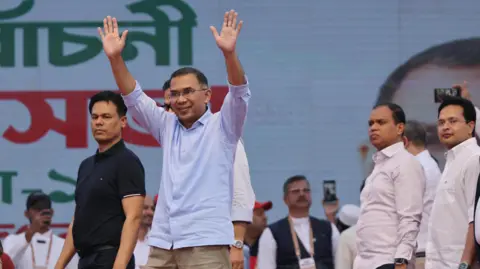
The Bangladesh Nationalist Party (BNP) has made a stunning political comeback in the recent elections, marking the first significant shift in power amid years of political strife. Leading the charge is Tarique Rahman, stepping into the role of Prime Minister for the first time and aiming to fulfill the hopes of a population eager for change.
Only two years ago, the landscape seemed almost unchangeable under Sheikh Hasina, whose government was widely criticized for electoral manipulation. Yet, within this historical cycle of alternating power between the BNP and the Awami League, Rahman's leadership signals a profound change.
Rahman inherits not only his mother's legacy — Khaleda Zia, the BNP’s longstanding figurehead but also scrutiny regarding his return from a lengthy exile amid allegations of corruption. His recent election campaign has echoed promises of restoring a democratic Bangladesh, working to reinstate institutions that have suffered under previous administrations.
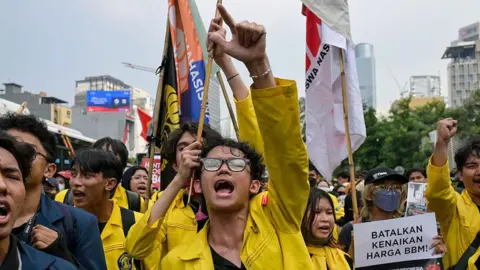
Young voters, emboldened by their role in the 2024 uprising that led to Hasina's ousting, voice their expectation for accountability. They demand an end to corruption and economic stability, reflecting a growing impatience for progress. Many express a desire for a government that transcends past failures.
As Rahman takes leadership, he faces a pressing agenda: restructuring the country's governance, ensuring law and order, and rekindling economic growth. While uncertainties linger around his capabilities as a leader, political analysts suggest that the desire for change may work in his favor, allowing him the chance to shape a new era for Bangladesh.
However, the real test will be whether Rahman can break the cycle of promises unfulfilled, a fate that has plagued past administrations. The commitment to democratization and the anticipation of young voters will define this new BNP administration's success.