In brief
Lebanon's health ministry reports that the number of deaths due to Israeli strikes has surpassed 3,000 as violence continues despite a fragile ceasefire. The conflict intensified after Hezbollah fired rockets following the death of Iran's supreme leader.
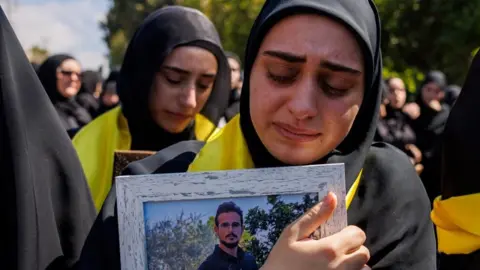
Lebanon's health ministry reports that over 3,000 people have been killed in the country as a result of Israeli strikes during the escalating conflict with Hezbollah that began in early March. The confirmed death toll has reached 3,020, indicating a troubling escalation in violence, even amidst a fragile ceasefire that has yet to bring lasting peace. The hostilities escalated on March 2, when Hezbollah launched rockets at Israel following an Israeli operation that resulted in the death of Iran's supreme leader. The toll has continued to rise even after a truce extension was agreed upon on Friday, with fresh negotiations scheduled to resume at the beginning of June. Since the ceasefire was implemented on April 17, more than 400 deaths have been reported. The health ministry has indicated that the truce allows for limited Israeli operations targeting Hezbollah, yet Lebanon has condemned these strikes, claiming they jeopardize efforts to reclaim authority over armed groups. Despite the truce, Israeli attacks across southern Lebanon and the Bekaa Valley persist, claiming numerous lives. On Saturday alone, a significant wave of strikes impacted over two dozen villages. Hezbollah has responded by launching drone attacks against Israeli military positions in northern Israel, amidst a backdrop of casualties, including the reported death of an Israeli soldier, raising military losses to 20, alongside four civilian fatalities. As the conflict endures, the geopolitical implications are profound, reflecting a complex backdrop of military engagement that challenges the stability of the region.