In brief
In a bid to make the European Union’s carbon trading scheme more business-friendly, Brussels has announced that it will slow the year‑by‑year tightening of the emissions caps and extend free permitting until 2038. The changes would delay the reduction of available carbon allowance, give firms a longer horizon to cut emissions, and tie up a larger portion of the free permits to proven decarbonisation investments. While supporters see it as a pragmatic step to ease the burden on industrial sectors, critics warn that the measures could dilute the EU’s ambition to slash carbon by 90% relative to 1990 levels by 2040. The proposal remains subject to ratification by EU member states, a process that may take up to a year.
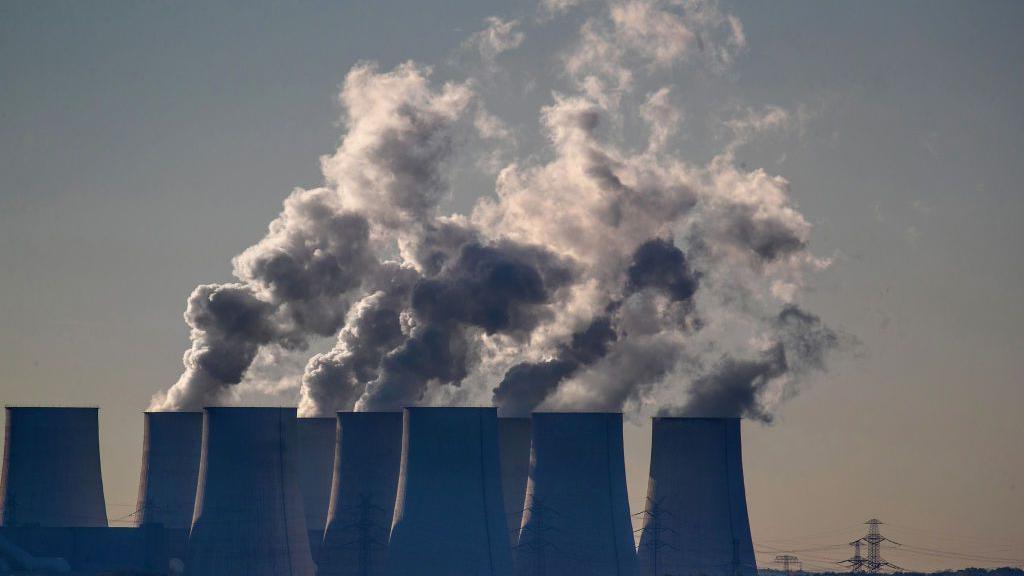
The European Union has announced proposals that could slow the pace at which the bloc’s emissions‑trading system (ETS) tightens its limits on greenhouse gas emissions. By extending free carbon permits and reducing the annual curtailment rate of the cap, the EU would give companies more time to cut their CO₂ output.
Under the new plan, businesses could receive allowances up to 2038 instead of the previously planned 2034, provided they invest in decarbonisation projects that demonstrate progress. The Commission would also offer 80 % of free permits upfront to firms that commit to significant investment in cleaner technologies, with the remaining 20 % issued after those investments are completed.
The current ETS, launched in 2005, forces industrial operators and power plants to purchase an allowance for every tonne of CO₂ they emit, creating a financial incentive to reduce output. Critics, including Italy, have labeled the scheme a “tax” that keeps energy prices high. The EU’s proposed easing of the cap withdrawal—from the current 4.3 % annually to 3.7 % from 2031 and 1.7 % from 2036—aims to mitigate that pressure.
The plan is currently a draft and must be approved by member states and EU lawmakers, a process that could take a year. Polish climate minister Paulina Hennig‑Kloska welcomed the move as a “softening of the stance,” while German MEP Michael Bloss warned that the proposals could lead to “gigantic climate pollution.”
All eyes remain on how the EU will balance the economic interests of industry with its commitment to reducing Europe’s temperature rise, which has outpaced other regions and is amplifying extreme heat spells across the continent.