In brief
The Alternative for Germany (AfD) is campaigning for a majority in the Saxony‑Anhalt state parliament, a win that would mark the far‑right's first hold over a regional government. Lead candidate Ulrich Siegmund, hailed as a charismatic figure, has championed controversial policies such as segregating refugee children and banning LGBT flags in schools. The election pressures Chancellor Friedrich Merz and threatens to disrupt the long‑standing political firewall that keeps extremist parties out of government. If the AfD wins, it would represent a significant shift in German politics, turning a vocal critic into a policymaker. The outcome could also force national parties to grapple with new voter dynamics in East Germany.
Germany’s east is set to vote. Over the weekend, Saxony‑Anhalt will hold a state election that could give the far‑right Alternative for Germany (AfD) its first seat of power in German history.
The AfD, whose main target is an outright majority in the state parliament, sees this as a launchpad toward national influence. If successful, it would be the first time a far‑right party governs a German state.
For Chancellor Friedrich Merz, the stakes rise because an AfD victory could change the political landscape in Berlin and raise doubts about his ability to finish his term. Merz has struggled with criticism and scrutiny in recent months.
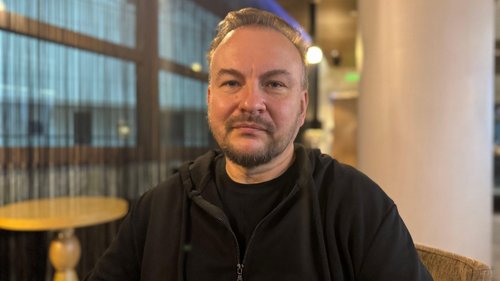
Ulrich Siegmund, 35, the party’s top candidate, has become a focal point of media attention. Outlets like Der Spiegel have dubbed him “Germany’s most dangerous man,” while supporters claim he represents hope for radical change. Siegmund’s image, often shown on social media, blends nostalgia for the East and rising dissatisfaction among voters.
The AfD’s manifesto promotes controversial measures: it proposes segregating refugee children into “temporary” classes, bans LGBT rainbow flags from schools, and urges a shift in what is taught about German history. The party also plans to create a task force to detain and deport migrants no longer eligible in the state, while calling for an end to illegal mass migration. These positions generate sharp debate, especially after the party has been labelled as right‑wing extremist by domestic intelligence agencies.
Securing a majority would allow the AfD to influence education, policing and culture locally and to amplify its voice in the Bundesrat. However, the party is barred from coalition by the “Brandmauer” firewall that keeps it out of government. Only a parliamentary majority could bypass this barrier.
Despite its small size, Saxony‑Anhalt’s upcoming election could signal a broader shift, turning a vocal critic into a policymaker and forcing Germany’s established parties to confront changing voter loyalties. The result may redefine national politics in the years ahead.