Russia’s Willingness to Avoid Direct War with NATO
In the face of escalating tensions, Western officials insist that Vladimir Putin is keen to keep the West out of a direct military confrontation. His increasingly hostile remarks toward the UK and its allies are seen as a pressure tactic rather than a genuine threat of comprehensive aggression.
A CIA chief recently travelled unannounced to Moscow, reportedly cautioning Moscow against possible attacks on NATO members. Russian warnings – such as targeting UK forces or striking weapons factories – are described by the officials as “nothing new,” reflecting a doctrine of military pressure.
Russia’s hybrid activity continues, ranging from cyber‑attacks to sabotage and potential assassination attempts. Analysts warn that continued use of these methods could trigger miscalculations that risk a wider conflict.
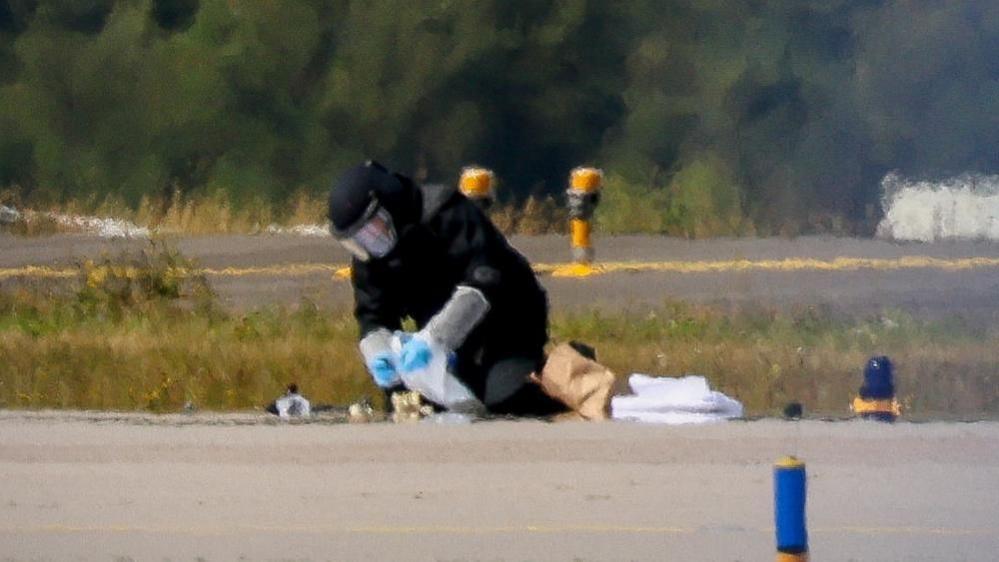
The country has faced a string of drone incidents across Europe. A recent explosive‑laden drone reached a German airport runway, prompting speculation that Russia is behind the activity – an allegation the Kremlin denies.
Despite being in the east of the Donbas, Russia remains slow in gaining ground, losing thousands of soldiers each month. The Kremlin’s leadership faces internal pressure, yet there are no signs the leadership will resort to mass mobilisation.
Western officials advise NATO allies to stay calm but vigilant, stating that the UK will not be deterred by the recent Russian threats. The war’s gradual escalation is a concern for all parties involved, as both sides intensify long‑range strikes.