In brief
European Commission President Ursula von der Leyen and NATO Secretary General Mark Rutte criticised Russia for a “new escalation” in Germany, describing the Leipzig drone attack as a military‑grade threat on EU soil. Germany confirmed a Russian-backed sabotage campaign that also hit German airports, electricity grids and Polish drone‑factory sites. Meanwhile, Russian officials denied involvement and warned of a potential response that could sever ties with Berlin, while EU ministers propose deeper sanctions and joint defence projects. The leaders pledge to maintain relentless pressure until Moscow ceases its strikes on Ukraine.
European Commission President Ursula von der Leyen and NATO Secretary General Mark Rutte joined forces in Brussels to condemn Russia’s “new escalation” in Germany.
They condemned the failed drone attack on Leipzig Airport as a “military‑grade” operation that threatened EU soil. Germany’s Interior Minister Herbert Reul confirmed the drone was linked to Russian hybrid tactics, and that two suspects were identified, including a Belarusian using a Russian passport.
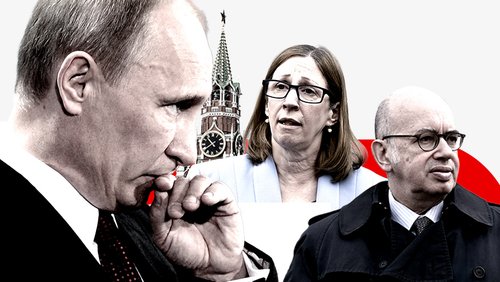
Berlin has announced it will close the Russian House cultural institution and the Russian consulate in Bonn. Vladimir Putin slammed the move as a mistake, while Prime Minister Donald Tusk in Poland said sabotage also hit a drone‑factory.
The EU and NATO vow to increase pressure on Moscow, with the EU proposing deeper sanctions and a joint defence project after a €90bn loan to Ukraine. The response will continue until Russia stops bombing and killing civilians in Ukraine.
Several sabotage incidents, including attacks on power substations in Germany and fire at Polish drone factories, signal a growing threat to European infrastructure.