In brief
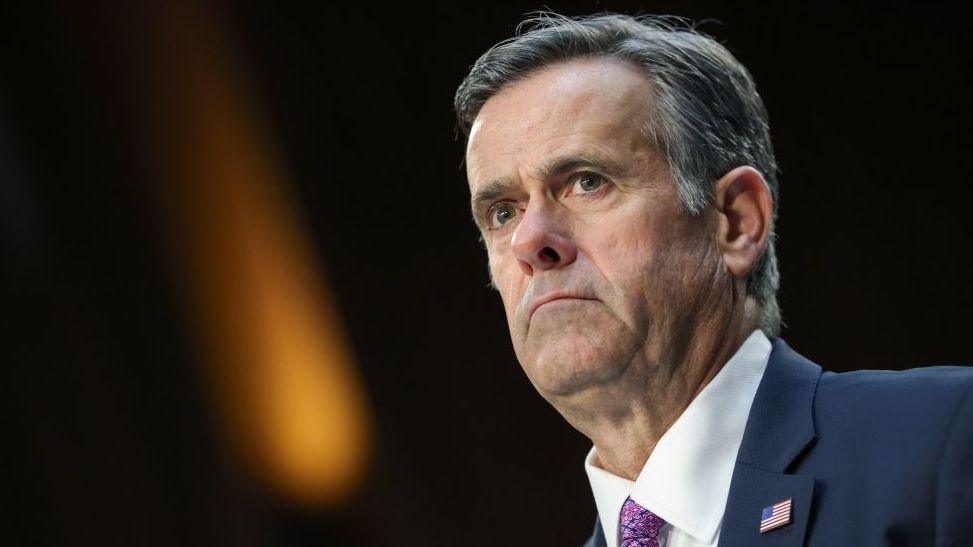
CIA Director John Ratcliffe snuck into Moscow aboard a U.S. military jet to meet Russian intelligence chief Sergei Naryshkin. The move, the first such visit in five years, is interpreted as an urgent warning to Moscow to curb escalation over Ukraine and to demonstrate U.S. commitment to NATO’s Article 5. Analysts speculate that the trip could be aimed at deterring a limited assault on Baltic states, countering hybrid warfare tactics, or influencing Russian policy on Iran. With no official U.S. statement, the world watches to see if Moscow will alter its strategy or respond with increased pressure on NATO allies.
John Ratcliffe, the U.S. CIA head, slipped into Moscow aboard a U.S. military airplane, a move that surprised many observers. In the city, he met with Sergei Naryshkin, the head of Russian foreign intelligence, an encounter that Kremlin officials confirmed was unannounced.
This is the first time a CIA chief has visited Moscow in five years, and the timing coincides with a pressure point in the U.S.-Russia relationship, as Russia is preparing for a potential invasion of Ukraine.
Although no official U.S. comment explains the purpose of the trip, analysts believe the visit was a direct warning aimed at Moscow. The brief is thought to urge Russia to avoid any escalation that could trigger a larger conflict or provoke a retaliatory strike against NATO members, particularly in the Baltic region.
The Kremlin’s reaction could range from increasing cyber and drone attacks to mounting a limited offensive against one of the Baltic states. Such moves would strain NATO’s mutual defense commitments without sparking Article 5, a loophole Russia might exploit.
The U.S. also appears to keep a robust stance toward deterrence, issuing a reminder that Washington remains committed to the NATO system. This underlines a broader strategy to put pressure on Russia’s decision‑making while avoiding overt confrontation.
If the intelligence chief’s pounce truly was aimed at United States policy toward Iran or Russian troop mobilization, it underscores how U.S. agencies are juggling multiple fronts. In an era of rapidly shifting alliances, this secret run to Moscow signals a new phase of high‐stakes diplomacy where every action is a threat assessment.