"I'm alive thanks to USAID," Dmytro Sherembey states, shedding light on his 24-year battle with HIV. He credits the agency's support for significantly restricting the virus's spread in Ukraine. Sherembey leads 100% Life, Ukraine's largest patient-led organization, highlighting that "every second HIV-positive person" was diagnosed through USAID programs. However, the agency's future has become increasingly uncertain following actions from U.S. President Donald Trump.
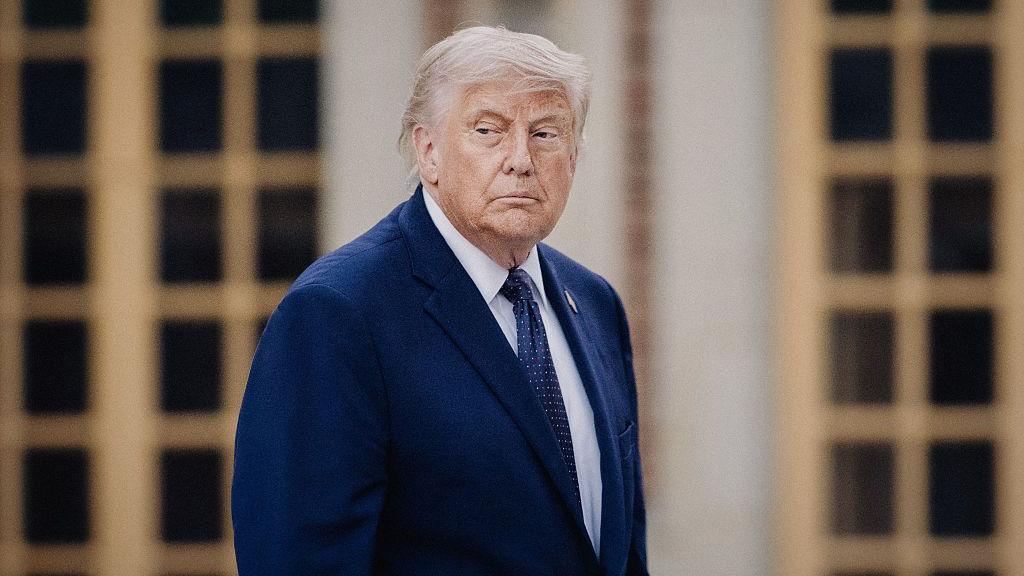
The pause in nearly all foreign assistance for 90 days, initiated by an executive order from Trump, is prompting fears over the sustainability of crucial support systems. Trump's strong critique labels USAID's operations as rife with corruption and fraud, but without any substantiating evidence.
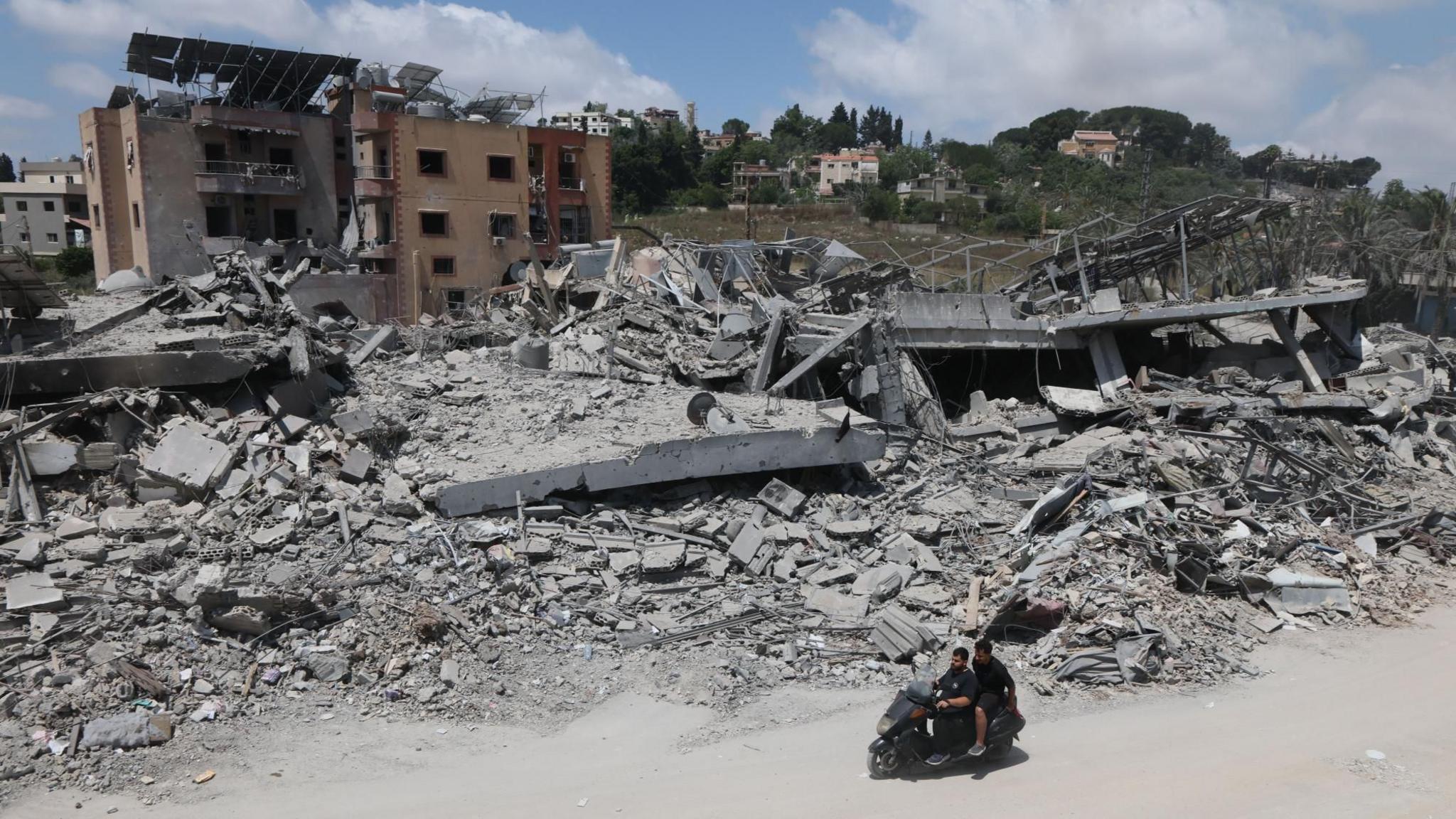
Since the onset of Russia's full-scale invasion of Ukraine in 2022, the situation for those dependent on USAID has dramatically worsened. Sherembey recalls warehouses filled with HIV medications being bombed. Fortunately, USAID's rapid response allowed for the quick procurement and distribution of vital treatments amidst chaos. However, Sherembey emphasizes the precarious nature of this aid, noting that it could be entirely cut based on a singular decision.
USAID, established in 1961, employs around 10,000 staff and has a considerable $40 billion budget, serving over 60 countries. The agency's work encompasses various areas, including food assistance and health services in crisis-hit nations. However, ongoing frustrations from influential figures such as Elon Musk, who calls the agency a “criminal organization,” fuel the calls for austerity in US international assistance.
The ramifications of a USAID shutdown could be dire, particularly in Afghanistan, where the agency funds critical medical services. Healthcare professionals have reported that nearly 60 team members, including frontline health workers, have been forced to remain home due to halted financing, potentially exacerbating maternal mortality rates.
Activists, reliant on USAID funding to protect human rights in Iran, have also stated that their ability to safeguard vulnerable individuals now hangs by a thread due to the funding freeze. Additionally, many students, including Mohamed Ashraf from Egypt, worry about their future scholarships as uncertainty looms over the agency's budget.
While Trump's long-standing skepticism toward overseas spending is clear, the path toward completely dissolving USAID is complex, requiring legislative action. Observers note that the agency may be merged into the Department of State under current plans, leaving its future shrouded in ambiguity. As Sherembey articulates, the stakes are high, with lives hanging in the balance, risking a return to a time when essential medications were inaccessible. "It is barbaric that we have returned to the Stone Age," he concludes.