In brief
The abrupt end of Operation Metro Surge did not erase the scars it left across Minnesota. While federal agents have largely withdrawn, residents echo constant fear in the shadows of upended lives and tightened hoops. As schoolchildren return, families are haunted by the possibility of a new raid, and the local economy still feels the shockwaves of lost revenue. Immigration advocates speak to the enduring uncertainty as courts and new vetting processes bring further scrutiny, and businesses continue to battle closures and privatized losses. The story highlights an ongoing struggle to rebuild trust and normalcy after a cruel crackdown.
Aliah Doe, a 20‑year‑old asylum seeker who fled Afghanistan in 2021, had envisioned a future focused on studies and employment. Instead, months after the official end of Operation Metro Surge – a massive ICE crackdown launched in December under the Trump administration – she describes a lingering state of fear: “We’re still a little scared.”
The operation, linked to a federal fraud probe of Minnesota’s childcare industry and an alleged high‑profile Somali community involvement, injected terror into the city. In January, ICE agents shot and killed two protesters – 37‑year‑olds Renee Good and Alex Pretti – sparking national backlash and the removal of the Minneapolis ICE section chief, Greg Bovino.
By February, the administration had withdrawn most agents, yet a March lawsuit disclosed that 482 agents still operated within the state. Reports estimate that monthly ICE deportation flights continue, primarily to El Paso, though the number is falling.
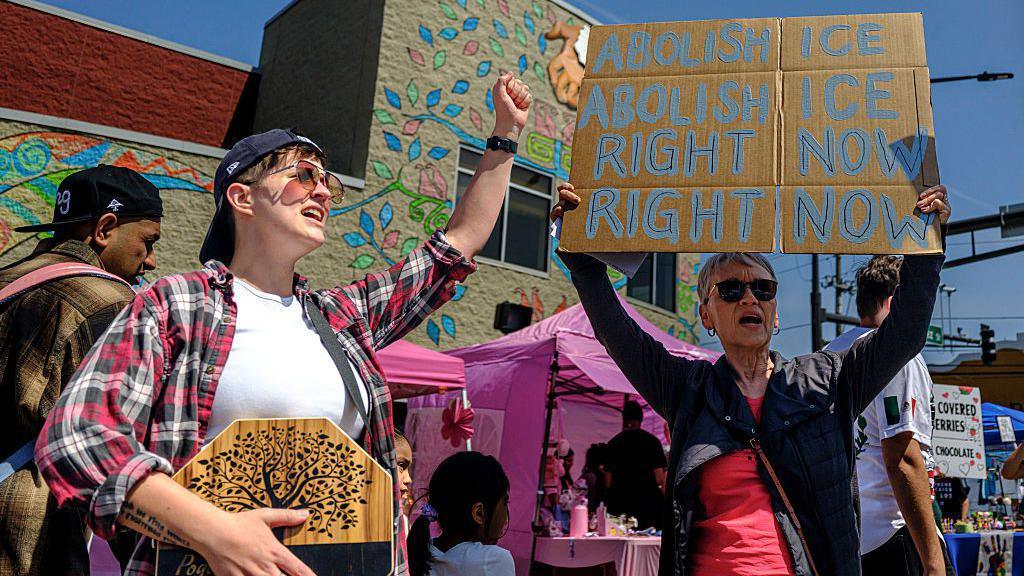
Local voices speak of enduring trauma. Fatima, a 19‑year‑old Somali refugee returned to in‑person high school after the peak of raids. She recounts daily anxiety: “Do you know what I would do if they come back?” Each unsettling recall illuminates a community that has seen the fear of a raid in a real‑time street protest, a remembrance that continues to haunt families.
Teachers like Katie, who managed a school‑wide grocery drive during the operation, describe a ghostly atmosphere even as schools reopen: “The city is just this minefield of ghosts. The terror inflicted was significant, and its ripple effects will last.”
Economic fallout bleeds long after raids cease. The Lake Street corridor in Minneapolis’s predominantly Hispanic neighborhood lost up to 50 % of its immigrant‑owned businesses during the crisis. This disruption tipped monthly revenue by more than $30 million, a hit that the United States Immigration Policy Center estimates translates into an $240 million wage loss for workers across the Twin Cities. The net loss for the state’s business community stands at roughly $610 million. Eviction filings for 2026 are projected to rise 8 % over the previous year, signaling continuing instability for displaced families.
Despite these numbers, agencies defend the operation: "The cost of American lives saved is incalculable," a DHS statement recites, citing 23 arrests linked to felony convictions. Critics argue that 60 % of those arrested had neither convictions nor pending charges at the time of detention.
In the aftermath of the raids, US Citizenship and Immigration Services announced a new vetting of 5,600 refugees who lacked green cards. Many of these individuals have been moved to ICE detention outside the state and re‑interviewed without representation, raising questions about fairness under the new scrutiny regime.
As the state moves forward, the narrative remains one of ambiguity. While some residents no longer fear the looming presence of ICE in their daily lives, anonymous statements from local advocates reveal an austere reality replete with uncertainty and lingering trauma. “If we are going to see a renewed influx of agents, the impact on our community will touch everything,” one commentator said. The city’s path to healing must factor in long‑term support, trauma‑informed care, and a robust dialogue on immigration policy that respects the rights of all stakeholders.