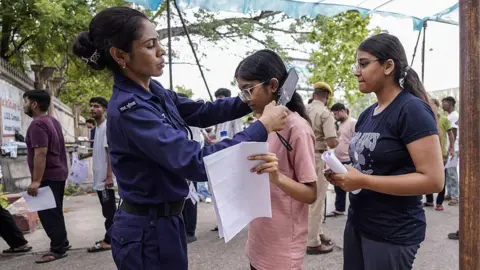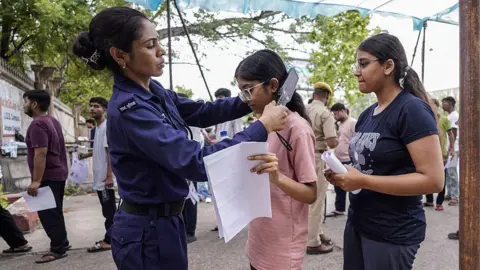
Heightened security at exam centres included metal detectors, CCTV and strict dress codes.
On Sunday morning, millions of hopeful medical students across India were met with biometric identification checks, metal detectors, armored patrols and frisking at the 5,440 exam centres.
The National Eligibility cum Entrance Test (NEET‑UG) is required to join any Indian medical college. The exam, held every year, comprises 180 questions across physics, chemistry and biology and lasts three hours and fifteen minutes.
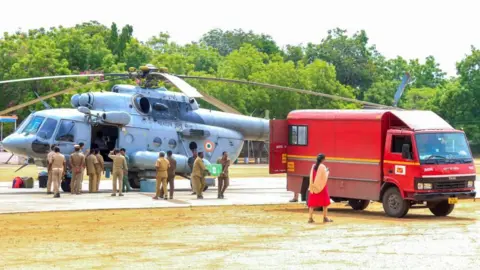
The Indian Air Force transported the new test papers to some regions, and the National Testing Agency (NTA) installed more than 1.3 million cameras across every room.
NTA said 51,311 jammers were used to block phone signals and there were 40‑50 security personnel at every centre. Telegram has been temporarily banned until Monday to curb its potential as a cheating platform.
Strict dress codes were enforced – enclosed shoes were banned, and some women were asked to remove nose pins and wrist threads. Security personnel inspected hair and removed earrings.
Students are still anxious. “There is fear because the paper has leaked once already. This is not a one‑off thing, it happens every year,” said a student named Diksha, who told Reuters.
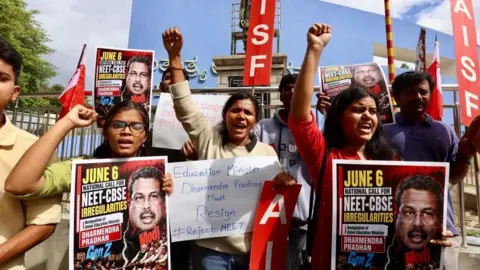
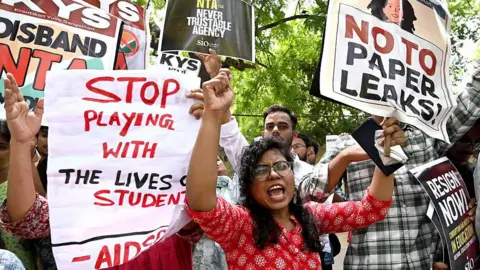
The cancellation in May sparked student protests and calls for Education Minister Dharmendra Pradhan to resign. He did not and urged students to sit “fearlessly, without worry, and you will definitely do well.”
The leak allegations, handed over to India’s Central Bureau of Investigation (CBI), are not the first. In 2024 similar claims of paper leaks, fraud and grading irregularities hit the same exam, while earlier this year a new digital marking system upset Grade 12 exam candidates.