Challenging the Toxic Masculinity Landscape: Voices Against Extreme Trends
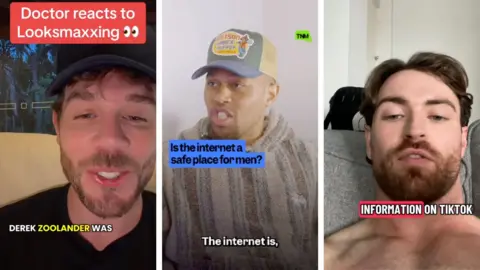
In a digital age teeming with influencers promoting extreme standards of masculinity, a new wave of content creators is emerging, dedicated to redefining what it means to be a man. Dr. Michael Mrozinski, a sports physician turned influencer, uses his platform to call out dangerous trends like looksmaxxing, which encourages severe alterations in appearance for the sake of attractiveness. Mrozinski warns that practices such as facial bone modification can lead to severe physical harm.
Similarly, James Brash, a registered nutritionist, critiques what he calls influencer overreach, where popular figures disseminate unsupported health advice. Brash emphasizes the importance of scientifically-based information, stating, It's not sexy because it does not rely on fear or urgency.
The movement against toxic masculinity influencers is gaining traction, with nearly two-thirds of young men in the U.S., UK, and Australia engaging with this content regularly, according to research from the men's mental health charity Movember. Responding to the prevalence of harmful content, Ben Hurst from Beyond Equality uses his platform to advocate for non-toxic masculinities that are gentle, strong, and community-focused.
Through their various platforms, these men are pushing back against harmful stereotypes and providing alternative narratives that celebrate vulnerability alongside strength. The necessity for a more expansive definition of masculinity rooted in community and self-compassion is clearer than ever.