In brief
Beginning January next year, Greece will restrict access to social media for users under the age of 15. Prime Minister Kyriakos Mitsotakis cites rising anxiety and sleep problems among youth, attributing these issues to social media's addictive design. This ban reflects a growing global trend, as countries like Australia and France pursue similar regulations aimed at safeguarding children's mental health.
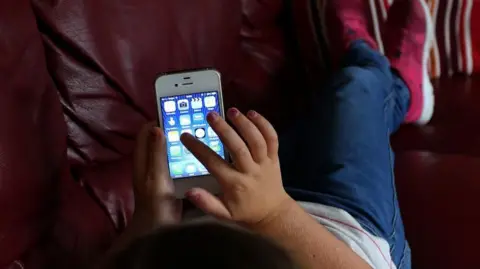
Greece has announced plans to ban access to social media for under-15s, becoming the latest European country to restrict children's exposure to online platforms. Prime Minister Kyriakos Mitsotakis said the move was aimed at tackling rising anxiety and sleep problems among young people, as well as what he described as the addictive design of social media. The restriction will come into force from January of next year. In December, Australia became the first country in the world to require platforms like TikTok, YouTube, and Snapchat to remove accounts held by under-16s or face heavy fines. Other European countries, including France, Austria, and Spain, are pursuing similar curbs. The UK government has even launched a consultation on implementing a ban for under-16s, while Ireland and Denmark are considering similar measures. Social media companies argue that such blanket bans are both ineffective and difficult to enforce, potentially isolating vulnerable teenagers. Nonetheless, Mitsotakis shared in a video message on TikTok that many young people feel exhausted from constant comparisons and pressures of being online. He noted discussions with parents expressing concerns about their children's sleep issues and anxiety linked to smartphone usage. Aiming not to distance youth from technology, Mitsotakis emphasizes the need to address the harmful effects of addictive applications and the business models sustaining them. He urged for action at a European level, suggesting mandatory age verification across all platforms and a pan-European ban for under-15s. The debate surrounding children's use of social media intensifies amid increasing evidence regarding its impact on mental health, with landmark cases like the recent one in the US where Meta and YouTube were found liable for addiction-related harms. As the situation develops, further regulatory details from Greece will be released.