In brief
Nepal's recent election saw a substantial victory for the youth-led Rastriya Swatantra Party, securing many parliamentary seats and marking the rise of youthful leaders, while Bangladesh's youth-led National Citizens' Party performed poorly despite similar beginnings. Analysts discuss the reasons behind these divergent outcomes, highlighting factors such as political structure and grassroots organization.
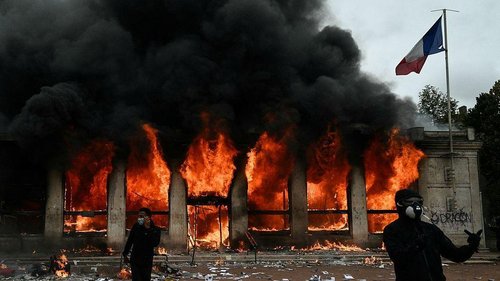
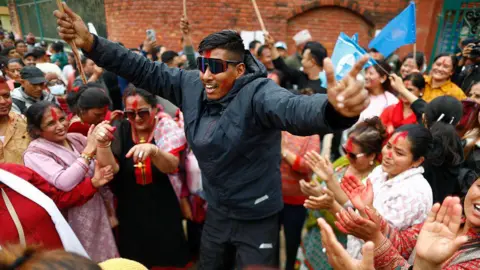
Last month, as Nepal inaugurated its new prime minister Balendra Shah, along with a parliament stacked with youthful lawmakers, Bangladeshi activist Umama Fatema felt a pang of disappointment as she watched from afar. Fatema was among the thousands of Gen Z protesters in Bangladesh who took to the streets in 2024. Like their Nepalese counterparts, they brought down their government in explosive demonstrations. But nearly two years on, Bangladesh's youth movement has yet to gain any meaningful political power. In the country's first post-protest elections held in February, the established Bangladesh Nationalist Party (BNP) won a historic majority while the new youth-led National Citizens' Party (NCP) - which grew out of the student revolution - did dismally.It stands in marked contrast to Nepal, which held a historic election where the four-year-old Rastriya Swatantra Party (RSP) won by a landslide, sending scores of Gen Z politicians to parliament and facilitating former rapper Shah's rise to leadership. This success is a rarity in Asia, where many youth movements have failed to translate energy into political power.Nepalese youth leaders attribute their success to resonating with ordinary citizens’ frustrations with the existing political environment. KP Khanal, a young politician, emphasized that the movement wasn't just reactive but developed into a credible force that offered accountability and justice. In contrast, Bangladesh's Gen Z movement lacks the same cohesion and political structure needed for sustained success.The electoral systems also differ; while Nepal's coalition system favors relative newcomers like the RSP, Bangladesh's established parties dominated the recent elections, undermining the new youth-led initiatives. The unfortunate association of the NCP with conservative forces also dented its efforts.Ultimately, the determination of Nepal's Gen Z to maintain their agenda despite entering government contrasts sharply with the disillusionment expressed by Bangladesh's youth, who now increasingly seek opportunities abroad. This highlights not just a political difference but a deepening generational divide in the context of South Asian politics.