In brief
West Bengal's electoral roll revision has led to the removal of approximately nine million voters, raising concerns about the fairness of the process and allegations of political bias. With ongoing tensions between ruling parties and the Election Commission, many citizens express their frustration and confusion over their disenfranchisement just days before crucial elections.
Muhammad Daud Ali, a former Indian army technician, recently discovered that he was no longer a voter in his home state of West Bengal. His name - and those of his three children - had been struck off the electoral rolls despite valid documents, including his passport and service records. Only his wife remained on the list.
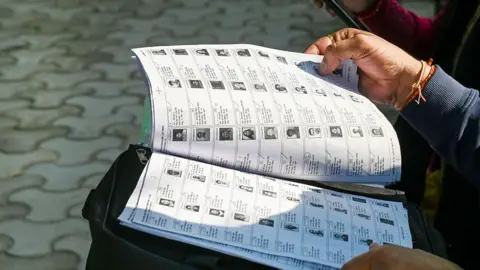
A total of nine million voters, about 12% of West Bengal's electorate of 76 million, have been removed as part of the Special Intensive Revision (SIR) exercise. This sweeping effort comes just as voting for a new state government is set to occur later this month.
Of these nine million, over six million were labeled as absentee or deceased voters, leaving 2.7 million names, including families like Ali's, in limbo pending tribunal decisions. Thirteen states and federally-administered territories have undergone this revision, but the contentious process in West Bengal has resulted in additional legal scrutiny.
The Election Commission asserts that this effort is intended to eliminate duplicate entries and enhance the integrity of voter rolls. However, it has sparked legal disputes and accusations of political maneuvering, particularly with the ruling Trinamool Congress (TMC) party engaged in a combative relationship with the poll body.
Prime Minister Narendra Modi and others have suggested that the revision targets individuals they term illegal Bangladeshi infiltrators, a characterization that has met with outrage from various community leaders who believe that such claims disproportionately affect Muslim voters. In the districts bordering Bangladesh, many voters have faced exclusion in this round of roll revisions.
Ali now faces a tribunal to contest the loss of his voting rights, with growing pessimism about reinstating them before the elections on April 23 and 29. He expressed a mix of confusion and despair, expressing his disbelief over the electoral process's integrity being compromised.
The political implications are significant, as around 65% of the affected voters are estimated to be Muslim, raising alarms about systematic disenfranchisement against minority groups. The upcoming elections represent a critical battleground, especially with the BJP seeking to increase its foothold in a state traditionally governed by the TMC.
Despite the controversies, federal leaders highlight the importance of ensuring only legitimate voters are on the rolls, framing the sweeping changes as a necessary step for electoral integrity. Nevertheless, the emotional and practical implications for affected families continue to unfold, spotlighting urgent calls for a thorough review and resolution of this ongoing crisis.