In brief
Zimbabwe is experiencing rising tensions as the ruling Zanu-PF party seeks to amend the constitution, potentially removing presidential elections. The proposed changes have polarized the nation, as opposition leaders decry the movement as a 'slow coup' while government officials argue for political stability and efficiency. Public hearings on the bill have led to chaotic scenes, highlighting the contentious nature of the issue in a country that has seen violence tied to elections.
Zimbabwe is currently embroiled in political turmoil as the ruling Zanu-PF party proposes amendments to the constitution, effectively moving to abolish presidential elections. Instead, the party seeks to empower parliament to elect the president, alongside plans to extend presidential and parliamentary terms from five to seven years.
Opposition figures are vehemently opposing the changes, fearing a significant threat to democracy. Veteran opposition politician and former finance minister, Tendai Biti, labeled the proposal as a gradual coup, revealing the deep-seated anxieties among citizens regarding the ruling party's intentions.
As Zanu-PF stands firm in defense of its legislative changes, claiming they will streamline governance and reduce election-related violence, historical context looms large. Since gaining independence in 1980, Zanu-PF's governance has been marked by significant controversies and accusations of electoral malpractice.
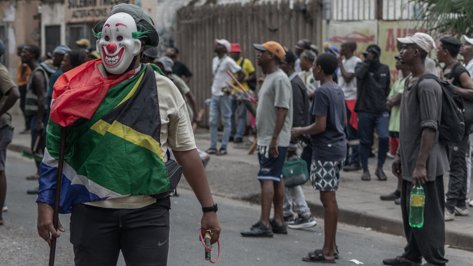
The tumultuous nature of the discussions was evident during recent public hearings in which citizens spoke out, some supporting the changes while critics faced intimidation. Reports of violence against opposition members, including physical assaults and harassment by Zanu-PF supporters, revealed the strained political climate.
With the parliament expected to vote on the bill soon, opposition groups express concerns that these changes may lead to an unprecedented consolidation of power and a regression to an authoritarian regime reminiscent of the era under former president Robert Mugabe, from whom current president Emmerson Mnangagwa took power in a military-backed coup in 2017.
As the nation awaits the outcome of the proposed amendments, the conflicts expose a fractured public sentiment—a dynamic reflective of Zimbabwe's tumultuous political landscape.