In brief
A commission of inquiry has confirmed that 518 individuals died in the unrest that erupted following Tanzania's elections, with a significant number killed by security forces. The inquiry's findings have raised calls for further investigations into the violence, which the government has attributed to outside influence. Opposition parties have condemned the commission's credibility, deepening the political divide in the nation.
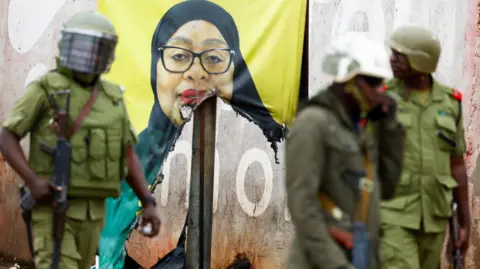
A total of 518 people died in Tanzania from unnatural causes, including 197 who were shot dead, in the widespread protests that followed last year's general election, the commission of inquiry set up to investigate the violence has announced. However, commission chairman Mohamed Chande Othman did not say who was responsible for the deaths, recommending further investigations. This is the first time the authorities have acknowledged the death toll. Opposition parties and human rights groups had previously claimed that security forces conducted a brutal crackdown on anti-government protesters, with estimates of the dead reaching into the thousands.President Samia Suluhu Hassan was declared the winner of the 29 October poll with 98% of the vote, a result which the opposition described as a mockery of democracy. The president has insisted that the election was fair and attributed the violence to foreign interference, claiming it was a plot to destabilize her government. Reports from international observers pointed out significant transparency issues during the election.The commission highlighted a range of socio-economic issues fueling the unrest, indicating that the protests were largely driven by calls for reform. It also noted efforts from political leaders to exploit public discontent, resulting in confrontations that turned violent. Amid these tensions, President Suluhu Hassan has established a criminal investigation body to address the unrest, indicating that further examinations into the protests and their outcomes would take place. The report found that among the deceased were 490 men, 21 children, and 16 security officers, with suggestions that many victims may have been buried without official acknowledgment. Criticism of the inquiry stems from concerns over the government’s involvement in the violence, with opposition parties labeling the investigation a cover-up and highlighting the absence of impartiality.The commission has urged for a national day of mourning and recommended comprehensive support for the victims, alongside proposals for constitutional reforms aimed at preventing future unrest.