In brief
The population of grey whales in San Francisco Bay is facing unprecedented mortality rates, with 21 whales found dead in 2025 alone. Researchers attribute these deaths to multiple factors, including climate change, reduced food availability, and dangerous boating traffic in the area. This has raised concerns over the sustainability of this new migration route, prompting urgent calls for protective measures.
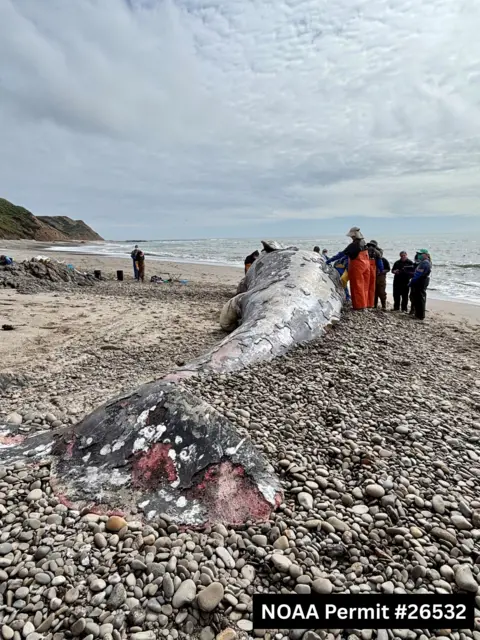
California's blustery San Francisco Bay, known for its iconic Golden Gate Bridge and busy commercial ports, has recently become a hotspot for Eastern North Pacific grey whales. However, this increase in sightings comes with troubling news, as many of the whales appear undernourished and a concerning number have turned up dead. In 2025, 21 dead grey whales were encountered in the bay, and already seven have met the same fate this year due to dwindling prey availability and environmental changes.The vast bay, the largest estuary on the west coast of the U.S., has not historically been a consistent stopover for grey whales, but recent patterns suggest they are adapting their migration routes possibly in response to prey scarcity in their traditional feeding grounds in the Arctic. Research led by Josephine Slaathaug has revealed these whales are struggling to find enough nourishment; many are now skinnier than they typically would be, signaling that they may be driven into the bay by hunger as they attempt to complete their long migrations.The study highlights that nearly 20% of grey whales swimming into the bay in recent years have died, largely due to collisions with ships. This spike in mortality is a new concern for scientists who study these migratory patterns. With evidence suggesting that environmental changes are influencing whale behaviors, researchers are eager to explore further to prevent additional losses.Enhanced safety measures, including training for boat captains to slow down and be vigilant for whales as well as installing monitoring technology, are being developed in an effort to protect these majestic creatures. As this crisis unfolds, the scientific community and local authorities are mobilizing to find solutions to conserve the grey whale population, which despite not being endangered, has seen a drastic decline in numbers from 27,000 in 2016 to 12,500 in 2025, marking what NOAA describes as an unusual mortality event.Efforts to create safer conditions within San Francisco Bay could provide a crucial opportunity for grey whales to adapt and thrive as they journey through these heavily trafficked waters.