In brief
The surge in household electricity costs and controversies regarding data centers are intensifying elections for utility control in states like Arizona and Alabama. With significant involvement from national organizations like Turning Point Action and the Jane Fonda Climate PAC, these once low-profile races are shaping into political battlegrounds. In Arizona, early ballot requests are tripling compared to previous years, indicating heightened voter engagement. In Alabama, legislative reforms aim to address high electricity rates amidst calls from candidates for more consumer-friendly policies. As election days approach, the outcome of these races will likely influence future energy regulation and pricing strategies.
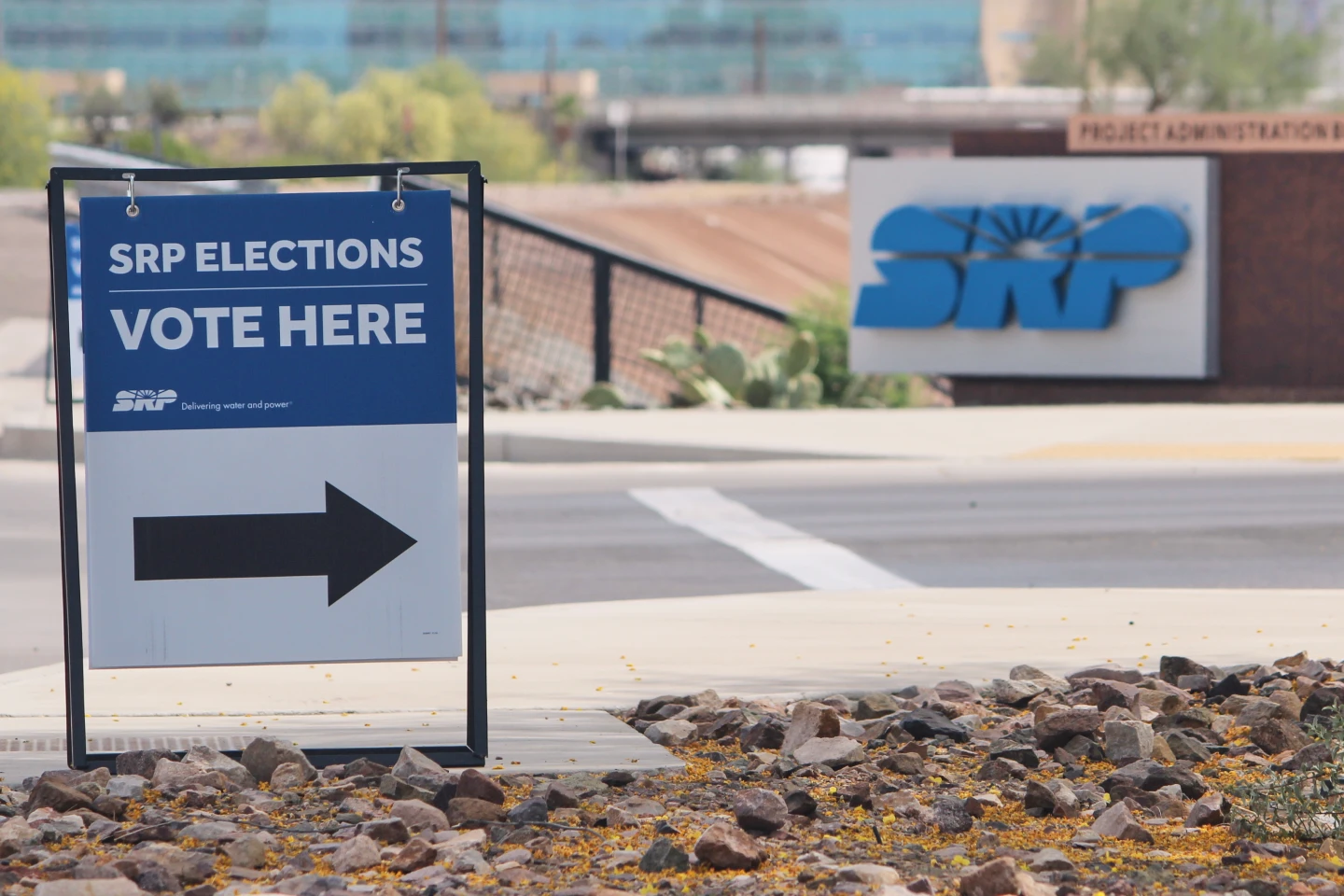
TEMPE, Ariz. — The rising cost of household electricity and contentious discussions surrounding data centers are igniting a shift in local elections that determine the leadership of public utilities responsible for infrastructure and billing. Controversies have already been reflected in elections across states like Georgia, New Jersey, and Virginia, and are now prominently featured in Arizona and Alabama, where these elections previously lacked significant political engagement.In Arizona, more voters than ever are requesting early ballots as the election approaches, with three times the number compared to two years ago. Grassroots campaigns are mobilizing locally, as voters receive various outreach efforts, including texts and door-to-door canvassing, amidst a backdrop of intense competition for the board of the Salt River Project, the largest public utility in the U.S.Turning Point Action, renowned for rallying conservatives, is working to influence the outcome by diminishing the impact of environmentally-focused candidates. This growing tension reflects the impact of an expanding future energy landscape, as demand spikes with new semiconductor factories and data centers setting up operations in the fast-growing Phoenix area. Utility leaders are projecting a need to double their energy capacity in the next decade.In Alabama, similar issues of increasing electricity bills are pushing the topic onto the state political agenda, leading to significant legislative reforms in the management of the Alabama Public Service Commission. With past campaigns in Georgia demonstrating the potential for successful shifts in public perception regarding electricity prices, both states may see their governance structures pivot in response to public demand.Access to affordable and reliable energy remains a vital concern, and with elections ahead, consumer factions on both sides of the debate are preparing to defend their interests amid a rapidly changing landscape.