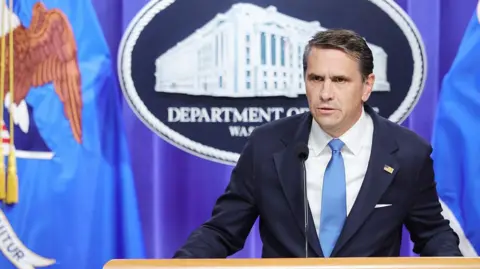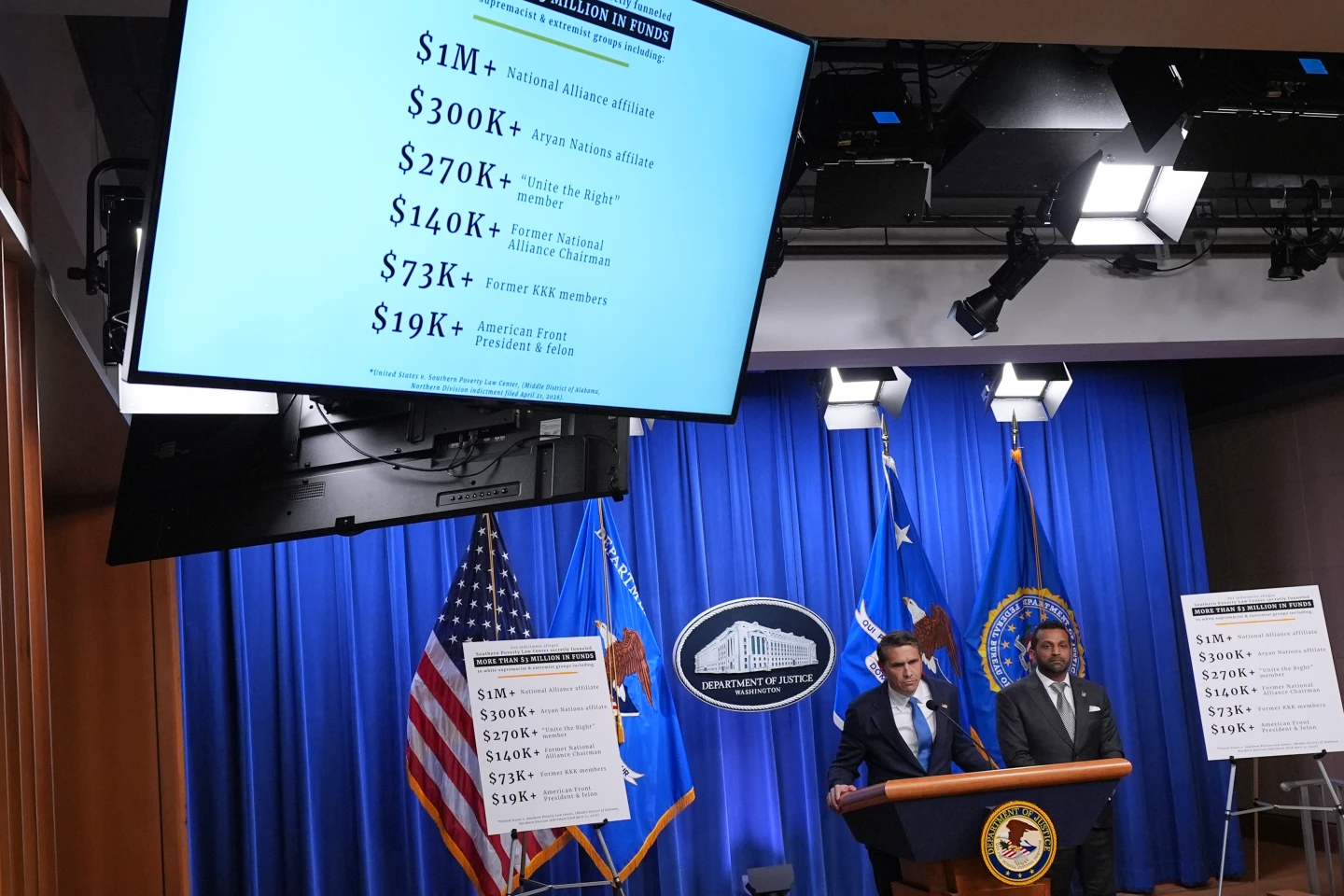
The Southern Poverty Law Center (SPLC) is currently under scrutiny following a criminal investigation launched by the U.S. Justice Department concerning its former use of paid informants.
The organization, which was founded in 1971 by Morris Dees to support civil rights, has used informants to infiltrate extremist groups aiming to prevent threats and save lives. CEO Bryan Fair noted the center's information sharing with the FBI, emphasizing that the program was maintained discreetly to ensure informant safety.
Foundation and Evolution
Originally established in 1971 to aid marginalized communities facing discrimination, the SPLC has transformed significantly over the decades. By the 1980s, it focused on documenting hate groups, particularly white supremacists and the Ku Klux Klan, through initiatives like the 'Klanwatch' program. This increased visibility led to violent backlash, including an arson attack by KKK members in 1983.
Financial Power and Political Backlash
A non-profit organization, the SPLC has amassed a substantial endowment of about $732 million as of last October, raising questions about its financial operations and the motivations behind its classification of various groups.
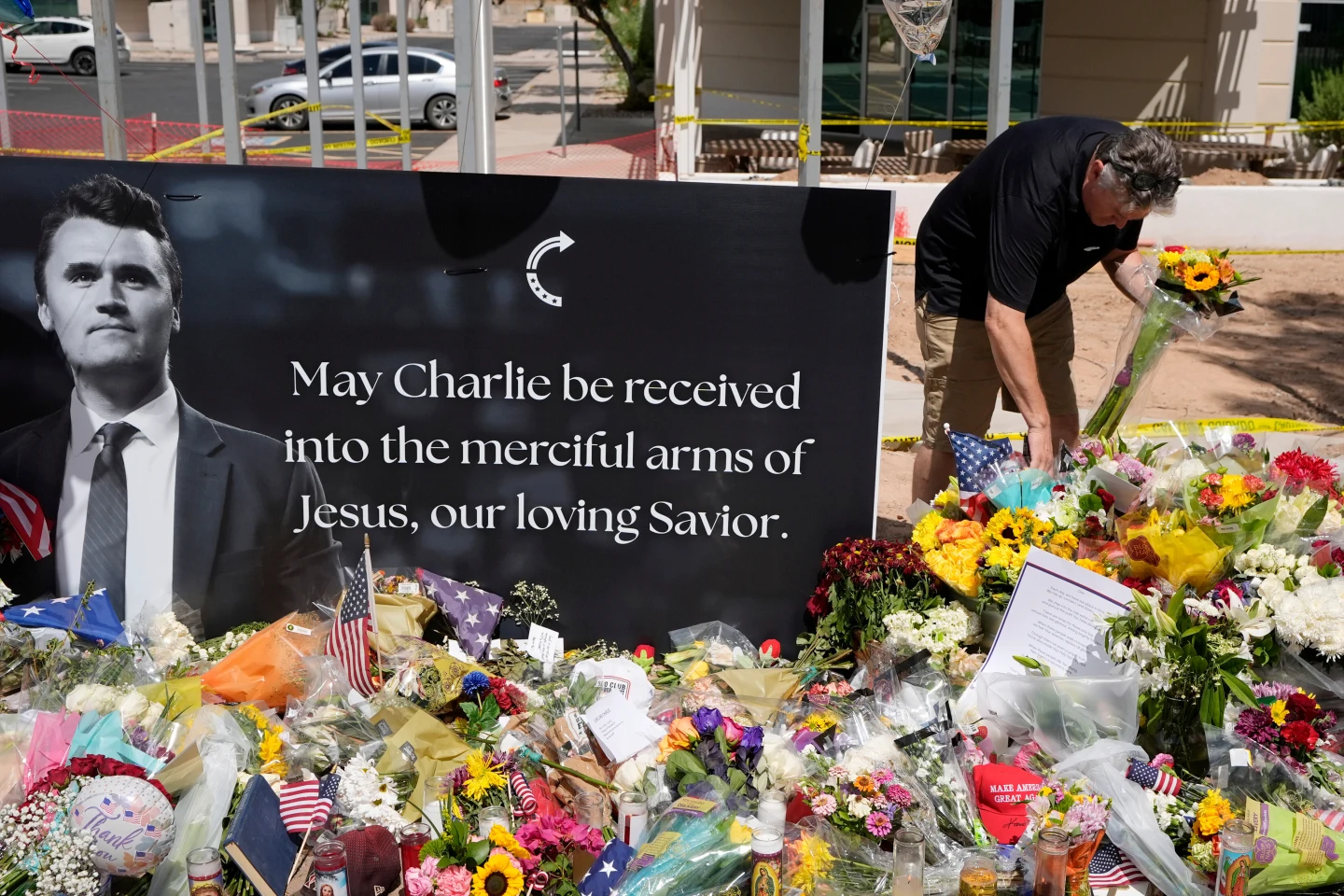
The center has faced criticism from conservatives who argue that the SPLC unjustly labels organizations as hate groups based on their ideological beliefs. Tensions escalated further following the assassination of conservative activist Charlie Kirk in 2025, to which the SPLC's reports on his group, Turning Point USA, contributed to partisan disputes within law enforcement collaborations.
Shifts in Law Enforcement Partnerships
In light of recent controversies, including FBI Director Kash Patel's public disavowal of the SPLC as a “partisan smear machine,” the long-established partnership between the FBI and the center is coming under reevaluation.
As the SPLC navigates these challenges, its future role in civil rights advocacy remains uncertain amid the growing landscape of political division and scrutiny.