In brief
As temperatures plunge and bills skyrocket, West Virginians, particularly those on fixed incomes, struggle with electricity charges that exceed their monthly income. Electric bills in the state have soared more than 73% from 2015 to 2025. Residents express frustration towards political leaders, including former President Trump who promised affordability but has seen energy costs rise instead. Families grapple with choosing between essentials as many find themselves facing cuts to their electricity amidst hardships.
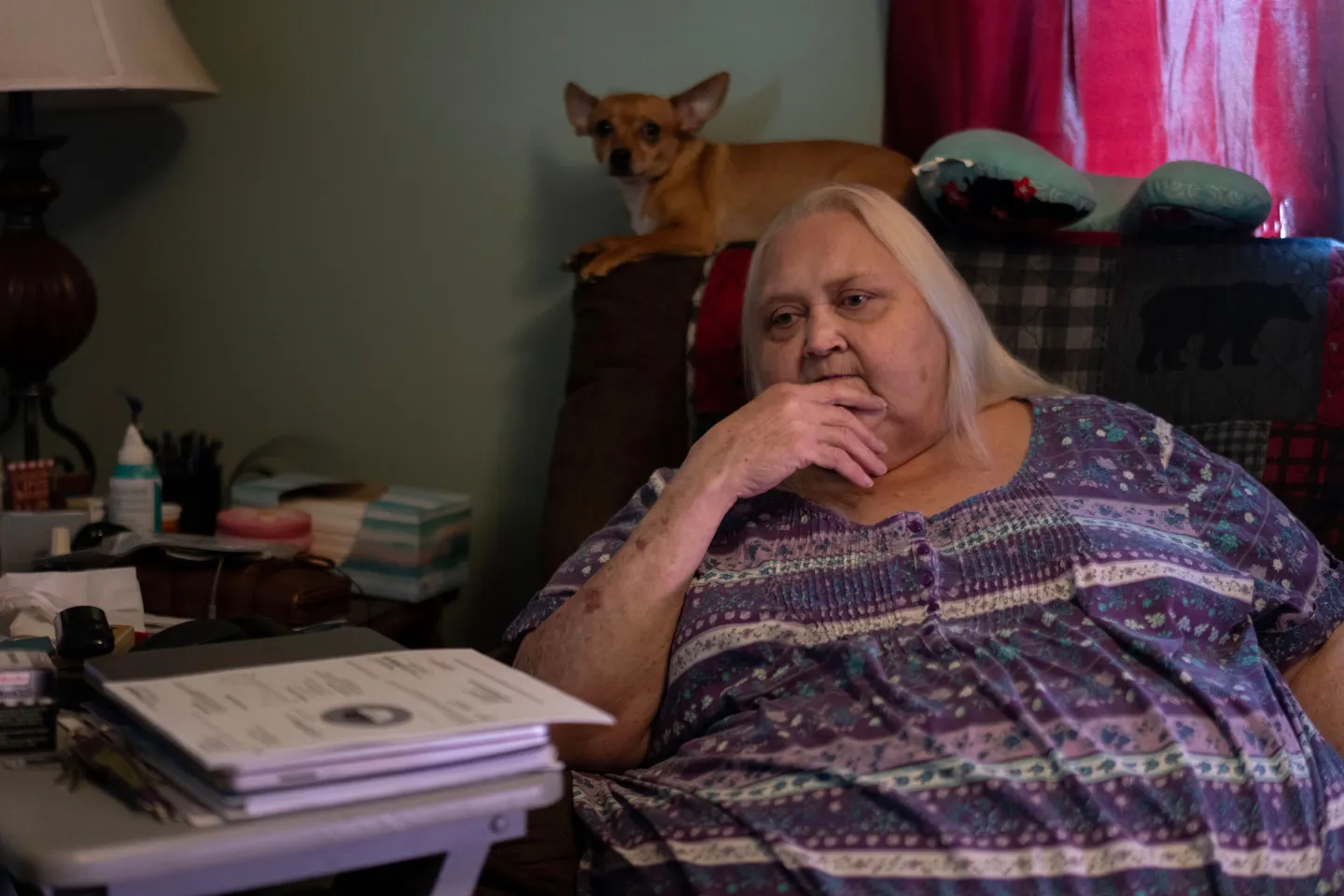
RAINELLE, W.Va. — Each month, Rebecca Michalski dreads the moment she opens her electric bill. As a retired employee on a fixed income, her winter bill can hit nearly $1,000, often surpassing her monthly income. Michalski, who cautiously monitors her energy use by switching off lights and minimizing appliance usage, has turned to loans to keep her power on during harsh winter months. Like many others in West Virginia, she has taken to social media to share her plight and seek answers regarding the alarming rise in utility costs that now often outweigh housing expenses.In a state rich in natural resources, the disconnect between abundant energy supplies and skyrocketing power costs poses significant challenges for families, some of whom are torn between warmth and food. The narrative extends to the political realm where rising utility prices have become a pivotal issue amid upcoming elections. Recent polls indicate that many Americans are increasingly anxious about their ability to afford necessary services, reflecting a growing strain on household budgets as electric rates continue to climb.Increased demand, aging infrastructure, and fluctuating natural gas prices play crucial roles in these rising costs. With many in the area feeling abandoned by the political class they once aligned with, frustration simmers as community members now demand accountability on promises made to mitigate these financial strains, particularly in light of past declarations affecting energy policy.