In brief
As the cherry blossoms bloom in Washington D.C., the remarkable scene is contrasted by the ongoing deployment of 2,500 National Guard members. While they were initially called in to address a crime emergency declared by President Trump, their presence in the city raises significant concerns among residents about governance and autonomy as elections approach.
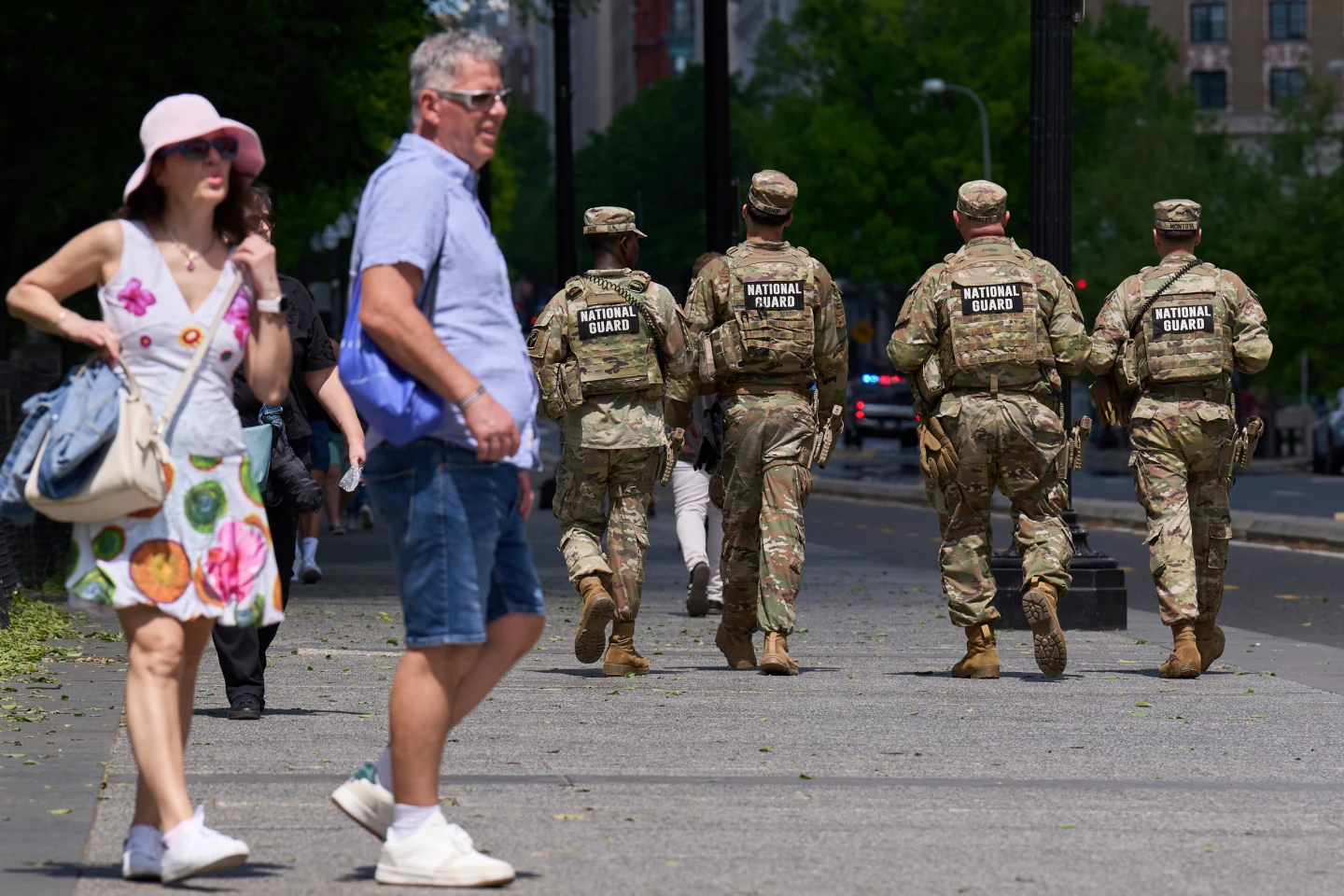
WASHINGTON (AP) – Each spring, the cherry blossoms draw millions to Washington D.C., but this year, the scene is notably different with armed National Guard members in camouflage among the visitors. Approximately 2,500 troops remain deployed, a remnant of a 'crime emergency' declaration made by former President Donald Trump nearly a year ago, raising eyebrows in a city striving for autonomy.
While other cities have seen their National Guard deployments end or be curtailed, the ongoing presence in the capital has become normalized, with troops patrolling streets, tourist hotspots, and neighborhoods. Local discussions around this persistent military presence are scant, with some council members expressing dissatisfaction over their prolonged stay.
Taxpayers are paying more than a million dollars a day to have them walk around, D.C. Council Chairman Phil Mendelson noted, adding that having armed soldiers on the streets is a visual that many find troubling.
The guards have been involved in various operations, supporting local law enforcement, but the effectiveness of their presence in reducing crime remains disputed. Local officials argue that crime reduction was already on the decline prior to their deployment, with external statistics suggesting the city's struggles with governance continue as local elections loom.
Despite Mayor Muriel Bowser's cautious balancing act regarding the federal intervention, the issue has not taken center stage in the electoral discussions, focusing instead on economic pressures and essential city services. As Washington D.C. approaches its primaries, the duality of natural beauty amid a military presence raises questions about the city's governance and the autonomy of its residents.