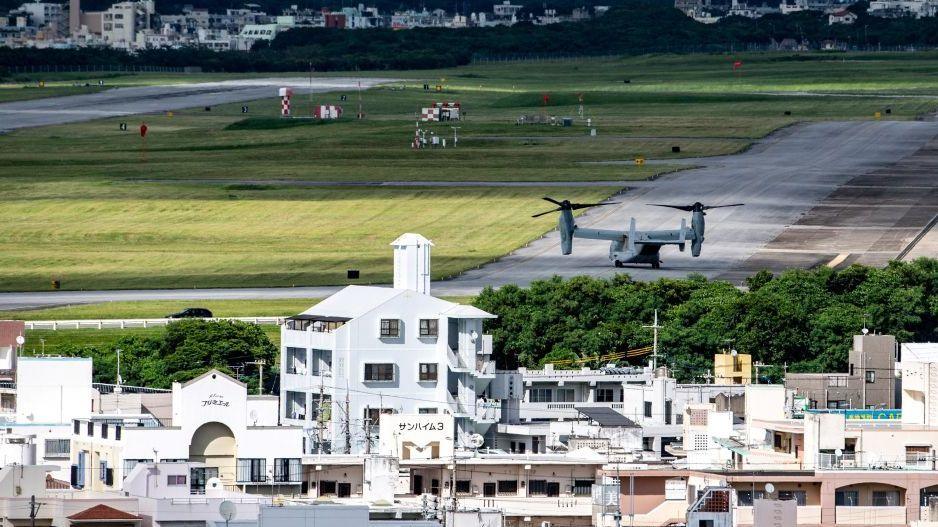
For many Okinawa residents, the arrest of a US serviceman accused of robbing and killing a woman in a hotel room has rekindled mounting frustration over crimes committed by American troops stationed on the island.
A 52‑year‑old resident, Ai Sato, told the BBC that he felt exhausted by repeated incidents and the prolonged lack of meaningful change.
Shareholder Akemi Oshiro, 62, echoed this view, stating that the repetition of such events has stripped surprise from local residents.
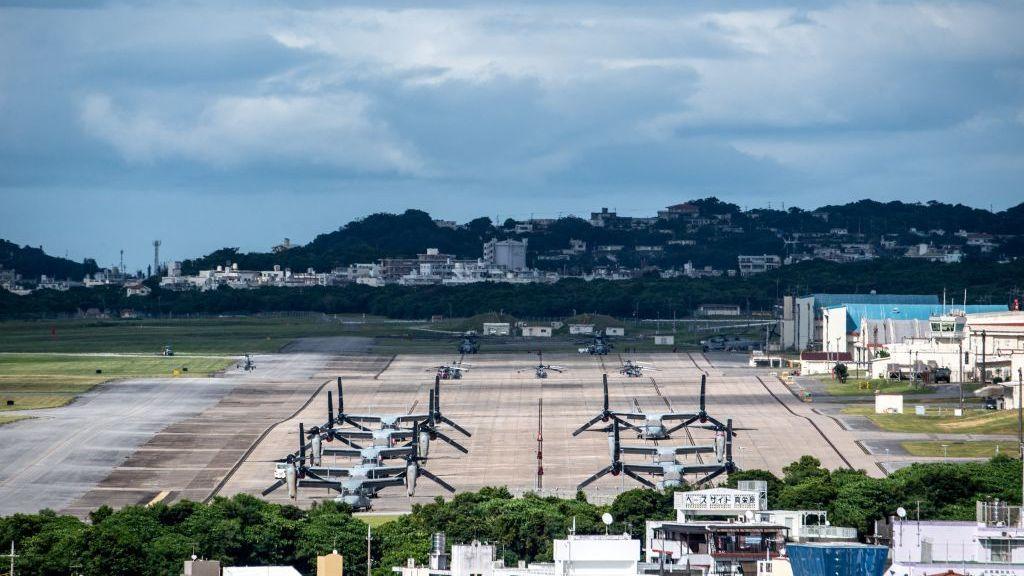
Okinawa hosts the largest U.S. military presence in Japan: several bases and tens of thousands of American troops. The incident involved 20‑year‑old Lance Corporal Devin Jacob Ballard, who was taken into Japanese custody and charged with murder; the alleged crime was unrelated to his official duties.
If a service member acts outside official duty, Japanese authorities take jurisdiction, retaining custody until formal charges are filed. Depending on the circumstances, the U.S. can keep the suspect in custody while Japan prepares its case.
Ballard was assigned to the III Marine Expeditionary Force and stationed at Marine Corps Air Station Futenma in Ginowan City.
Police found 39‑year‑old Anna Yagi dead early on 3 October in a hotel room in Naha. Security footage shows a man, presumed to be Ballard, entering the room with Yagi and later leaving alone with her belongings; local reports suggest she was strangled with a cord.
Japan’s Prime Minister, Sanae Takaichi, has sent an official protest to Washington, but many residents believe these gestures are insufficient and call for concrete steps to prevent future incidents.
Public outcry has surged, with some 100 people protesting in Naha and Tokyo, and widespread commentary on social media demanding justice and greater accountability.
Okinawa’s history of contentious U.S. military presence dates back to 1972, after the islands were returned to Japanese control. Since then, more than 6,000 arrests of U.S. personnel have occurred, with notable crimes including rapes, assaults, and fatal shootings.
Recent incidents, such as the 2016 rape and murder of a 20‑year‑old woman and the 2025 sexual assault conviction of a Marine, illustrate the ongoing concern about the safety and conduct of foreign troops in the region.
Community members express a persistent desire for a peaceful living environment, free from the anxieties posed by the foreign military presence.