
The arrest of Lance Corporal Devin Jacob Ballard, a 20‑year‑old U.S. Marine, has set off a wave of protests across Okinawa. Ballard is accused of robbing and murdering a Japanese woman, Anna Yagi, in a hotel room in Naha on 3 October, prompting the island’s most outspoken local communities to take to the streets once again.
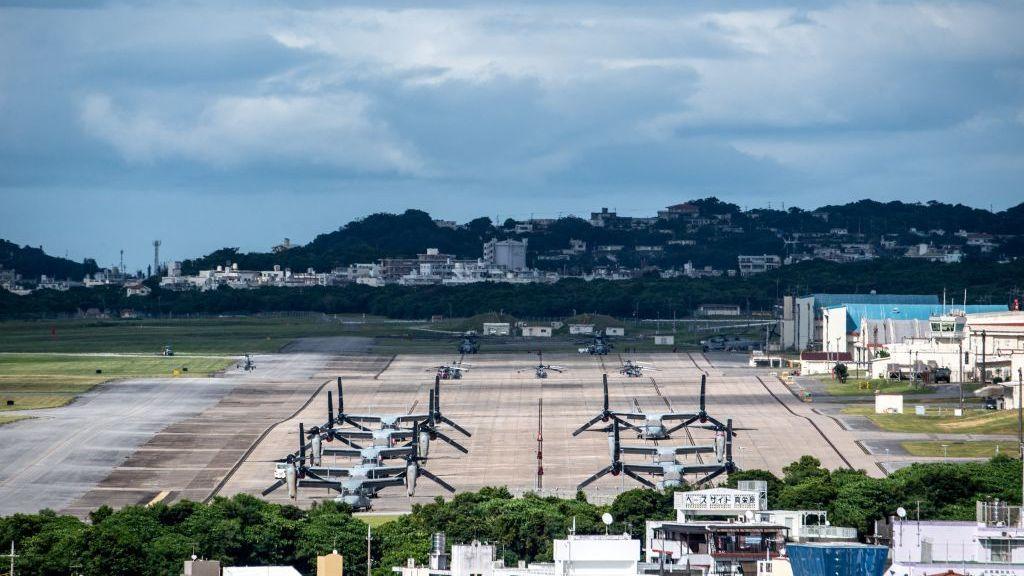
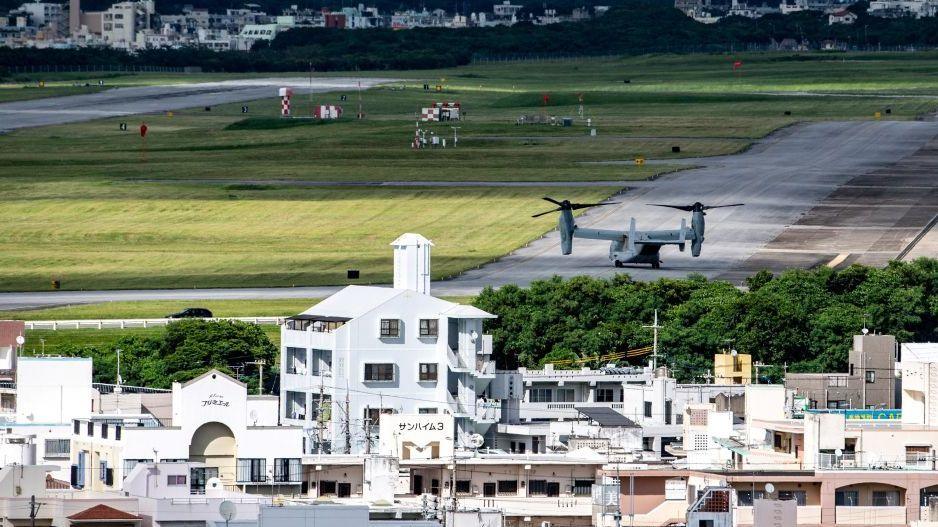
Okinawa is home to the largest concentration of U.S. troops in Japan, with roughly 55,000 soldiers stationed on the island. The U.S. presence has long been a flashpoint for local anger, dating back to the island’s reversion to Japanese control in 1972. The incident is the latest in a stream of crimes involving U.S. personnel, from rape and assault to drunk‑driving and “noise” violations.
The victim, 39‑year‑old Yagi, was found dead in a hotel room with evidence that she had been strangled with a cord. Security footage allegedly shows Ballard entering the hotel with Yagi and leaving alone with her belongings. Japanese authorities are pursuing the case under their jurisdiction; U.S. officials say the suspect remains in Japanese custody while investigations continue.
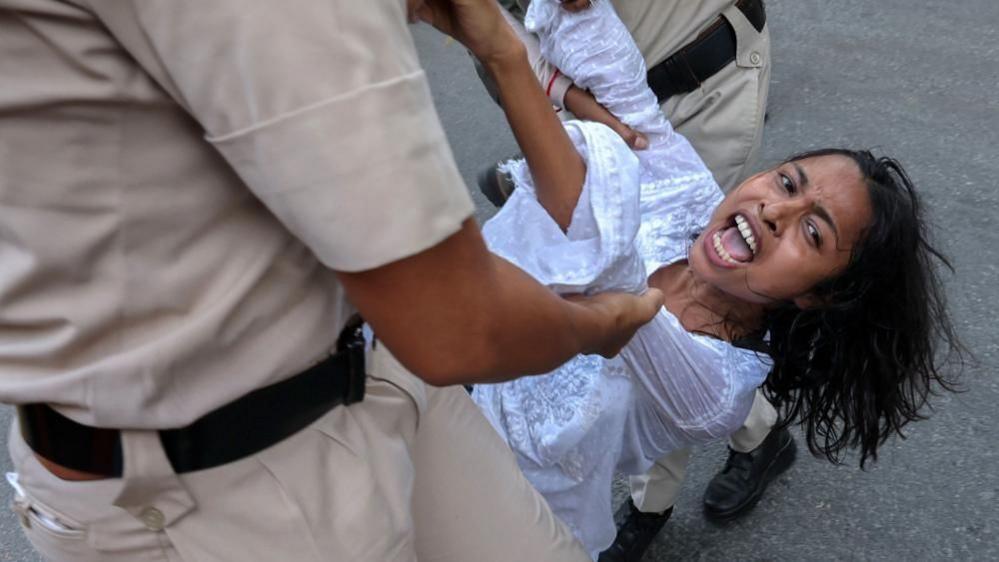
The incident has reignited old grievances. Many residents say they have become “used to terrible things” and feel that the U.S. military’s crime record is never fully scrutinised by local law enforcement. Local protesters are demanding concrete action, including a direct conversation between the Japanese Prime Minister and U.S. President to create an enforceable framework that prevents future violations.
Over the past few years, tens of thousands of Okinawans have staged demonstrations against the U.S. presence. The 2016 murder of a 20‑year‑old local woman triggered a nationwide protest movement and eventually led to a life sentence for a U.S. marine. Similar high‑profile cases—such as the 2025 criminal conviction for choking and sexual assault—illustrate the gravity of the issue.
Residents and activists grow increasingly frustrated that government statements do not translate into tangible reforms. They want international accountability, reliable legal processes, and a future where Okinawan communities can live without fear of violence from foreign troops.

Ongoing protests across Okinawa now call for stricter enforcement against U.S. military crimes, a clearer jurisdiction agreement between Japan and the United States, and policies that protect local residents from future harm. The island’s residents, like Ai Sato and Akemi Oshiro, mourn the repeated tragedies and urge leaders to act decisively to break the pattern of abuse.