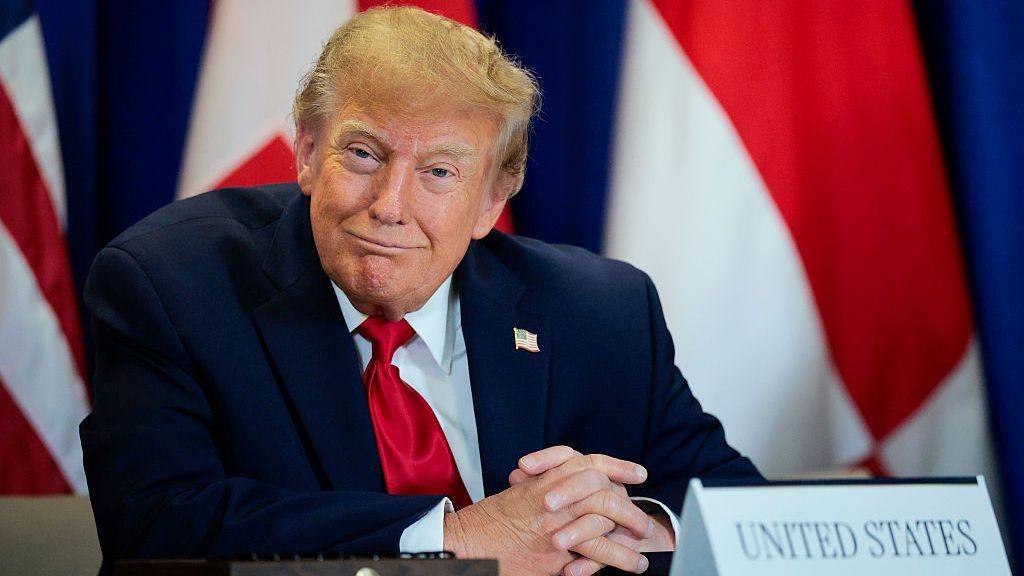
Brazil’s next presidential race is now riding on a new grain of political fire – accusations that the United States wants to tilt the scale towards right‑wing challenger Flavio Bolsonaro. The son of former president Jair Bolsonaro, Flavio has positioned himself as a staunch ally of Donald Trump’s foreign policy agenda, which has inadvertently drawn praise from Washington officials.
Lula da Silva, the democratically elected president of Brazil, has publicly called on the U.S. to stop intervening in domestic politics, saying that such interference threatens Brazil’s sovereignty and could trigger a surge of extremist activity. The accusation focuses on the perceived influence of U.S. trade tariffs that hit Brazil’s port industry and the intelligence collaboration, aimed to curb drug trafficking typically linked to Bolsonaro’s supporters.
The dispute is part of a broader pattern of tension between Brazil’s left‑leaning administration and the United States in the era of renewed competition over policy and influence. Diplomats from both sides have denounced any direct attempt to alter elections, yet the debate illustrates how trade ties, crime, and military cooperation can become arenas for political rivalry.
As the election draws nearer, analysts warn that the allegations could reverberate across global political arenas, sparking a debate on the limits of international support for right‑wing candidates. The global community will watch Brazil’s electoral process closely, eager to learn whether democratic institutions can hold up against what Lula calls blatant foreign meddling.